 Written By
  Reviewed By Blaine Andrew
Introduction
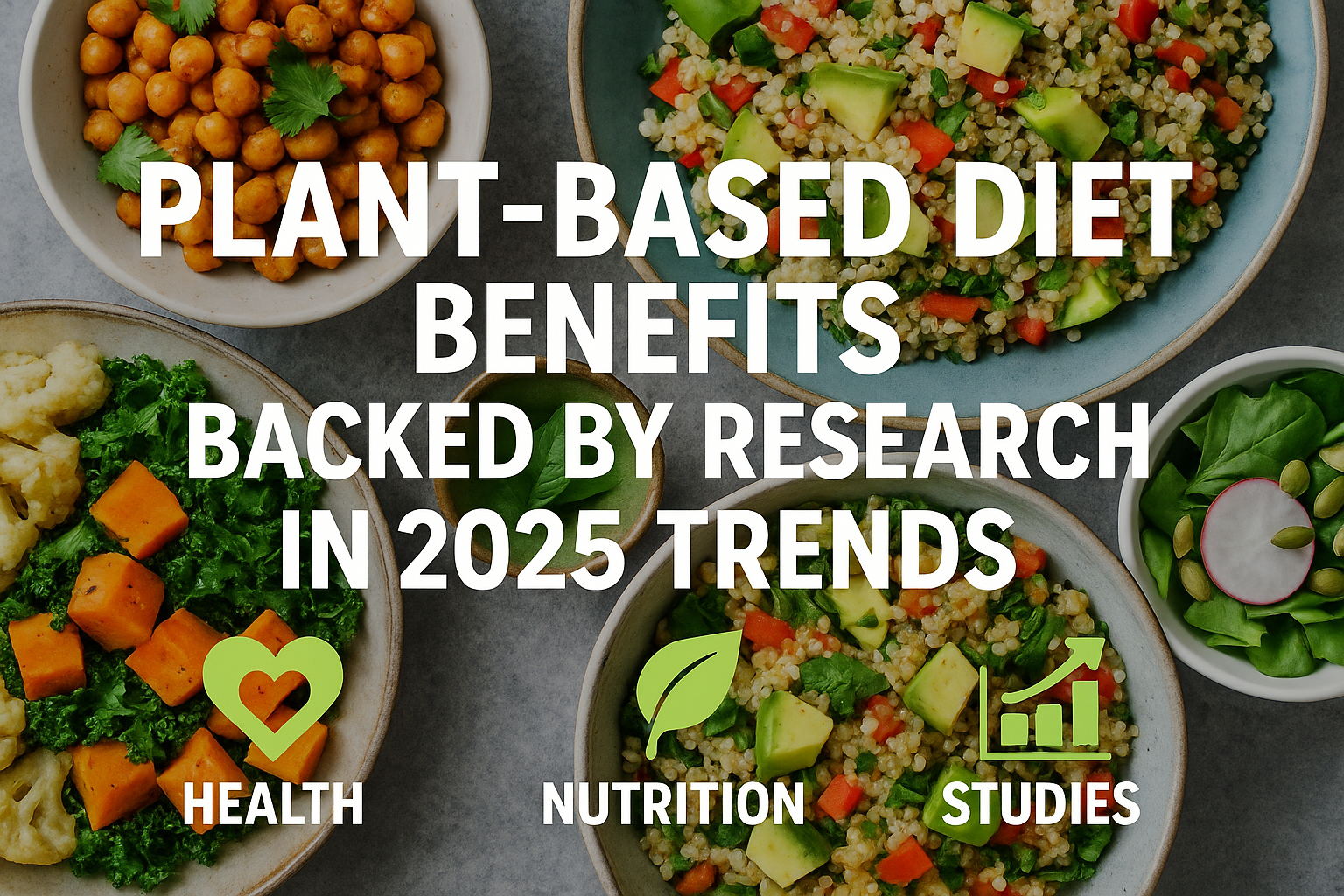
The plant-based diet has gained tremendous popularity in recent years, and by 2025, it is clear that this way of eating is no longer a passing trend. It’s becoming an essential part of many people’s lifestyles for a variety of reasons, from improving health and wellness to reducing environmental impact. In this article, we will explore the proven benefits of a plant-based diet, supported by the latest research, and highlight how it’s shaping the health trends of 2025.
A plant-based diet focuses on consuming plant-derived foods, including fruits, vegetables, whole grains, legumes, nuts, and seeds, while minimizing or eliminating animal products such as meat, dairy, and eggs. This dietary shift has been shown to support long-term health benefits, enhance fitness, and contribute to a more sustainable future. Let’s dive into the key reasons why adopting a plant-based diet can be a game-changer for your health and wellness in 2025.
What is a Plant-Based Diet?

A plant-based diet primarily consists of foods derived from plants. While it may seem similar to a vegetarian or vegan diet, it doesn’t always require the total elimination of animal products. Some plant-based diets allow for small amounts of dairy, eggs, or meat, but the main focus is on plant-based foods.
Key components of a plant-based diet include:
- Fruits and vegetables: Packed with essential vitamins, minerals, and fiber.
- Whole grains: Such as oats, quinoa, barley, and brown rice.
- Legumes and beans: Rich in protein and fiber.
- Nuts and seeds: Good sources of healthy fats and protein.
- Plant-based oils: Such as olive oil and avocado oil.
By focusing on these plant-based foods, the diet provides a wide array of nutrients that contribute to overall well-being, while avoiding processed foods and excessive animal products.
Why the Plant-Based Diet Is Gaining Popularity

Over the last decade, there has been a growing awareness of the link between diet and health, as well as the environmental impact of food production. Research has shown that a plant-based diet can reduce the risk of chronic diseases, improve digestion, and even help with weight management. Moreover, many people are turning to plant-based diets as a response to the environmental impact of meat production, which contributes significantly to greenhouse gas emissions and deforestation.
Several factors are driving the popularity of plant-based eating:
- Health-conscious consumers are looking for ways to reduce their risk of heart disease, diabetes, and cancer.
- Ethical concerns around animal welfare and factory farming practices are motivating people to reduce or eliminate animal products from their diets.
- Environmental awareness is growing, with many individuals seeking ways to reduce their carbon footprint and conserve natural resources.
As these factors continue to shape public attitudes, the plant-based diet is quickly becoming the go-to choice for many people in 2025.
Plant-Based Diet Benefits Backed by Research

The benefits of a plant-based diet are supported by an ever-growing body of research. Let’s explore some of the key benefits, along with the scientific evidence that backs them up.
1. Improves Heart Health
One of the most significant health benefits of a plant-based diet is its positive impact on heart health. Studies have shown that plant-based diets are associated with lower cholesterol levels, reduced blood pressure, and a lower risk of heart disease.
- Research Findings: According to a 2020 study published in the Journal of the American Heart Association, people who follow a plant-based diet have a lower risk of developing coronary artery disease. The diet helps reduce the intake of saturated fats and promotes heart-healthy nutrients like fiber and antioxidants.
2. Helps with Weight Management
A plant-based diet has been shown to be effective for weight loss and maintaining a healthy weight. Research suggests that people who follow plant-based diets tend to have lower body mass indexes (BMIs) compared to those who eat more animal products.
- Research Findings: A study published in Obesity Reviews in 2021 found that individuals following a plant-based diet had significantly lower body fat percentages and were more likely to maintain a healthy weight. Additionally, the diet is rich in fiber, which helps control appetite and promote satiety.
3. Supports Digestive Health
A plant-based diet is rich in fiber, which plays a crucial role in promoting healthy digestion. Fiber helps to regulate bowel movements, prevent constipation, and support the growth of beneficial gut bacteria.
- Research Findings: A study published in the American Journal of Clinical Nutrition found that plant-based diets rich in fiber improved digestive health by increasing the diversity of gut microbiota, leading to better digestion and reduced inflammation.
4. Reduces the Risk of Chronic Diseases
In addition to heart disease, a plant-based diet has been shown to reduce the risk of other chronic diseases, including type 2 diabetes and certain cancers.
- Research Findings: A 2021 study in The Lancet concluded that plant-based diets were linked to a lower risk of developing type 2 diabetes. Similarly, studies have shown that plant-based diets may reduce the risk of colorectal cancer and other forms of cancer due to the high intake of antioxidants and phytochemicals in plant foods.
5. Boosts Mental Health
There is growing evidence to suggest that a plant-based diet can have a positive impact on mental health. Research shows that plant-based diets are linked to lower levels of stress, anxiety, and depression.
- Research Findings: A study published in Nutritional Neuroscience found that individuals who followed plant-based diets reported improved mood, less stress, and lower levels of depression. The study attributed these benefits to the high intake of plant-based foods rich in vitamins, minerals, and omega-3 fatty acids.
Table: Benefits of a Plant-Based Diet
| Benefit | Scientific Evidence | Why It Works |
|---|---|---|
| Heart Health | Lower risk of coronary artery disease, improved cholesterol levels (Journal of the American Heart Association) | Reduces saturated fats, high in heart-healthy nutrients |
| Weight Management | Lower body fat percentage and BMI (Obesity Reviews, 2021) | High in fiber, low in calories |
| Digestive Health | Improved gut microbiota diversity and digestion (American Journal of Clinical Nutrition) | High fiber content supports digestion and gut health |
| Reduced Risk of Chronic Diseases | Lower risk of type 2 diabetes and cancer (The Lancet, 2021) | Antioxidants and phytochemicals reduce inflammation |
| Mental Health | Improved mood, less stress and anxiety (Nutritional Neuroscience) | Omega-3s and vitamins support brain health |
Conclusion
A plant-based diet offers numerous benefits for both physical and mental health. Research continues to show that switching to a plant-based lifestyle can reduce the risk of heart disease, promote weight loss, support digestive health, and even improve mental well-being. As the trend towards plant-based eating grows, more people in 2025 are recognizing the value of adopting this healthier, more sustainable way of eating.
By focusing on whole plant foods and minimizing animal products, you can enjoy a wide range of health benefits that support a longer, more vibrant life. Whether you’re looking to improve heart health, lose weight, or enhance your mood, a plant-based diet provides the tools you need to thrive in 2025 and beyond.
Call-to-Action
Ready to make a change in your diet? Start incorporating more plant-based foods into your meals today. Whether you’re going fully plant-based or just adding more fruits, vegetables, and whole grains to your diet, you’ll be taking a step towards better health and wellness.