 Written By
  Reviewed By Devon Sage
Introduction
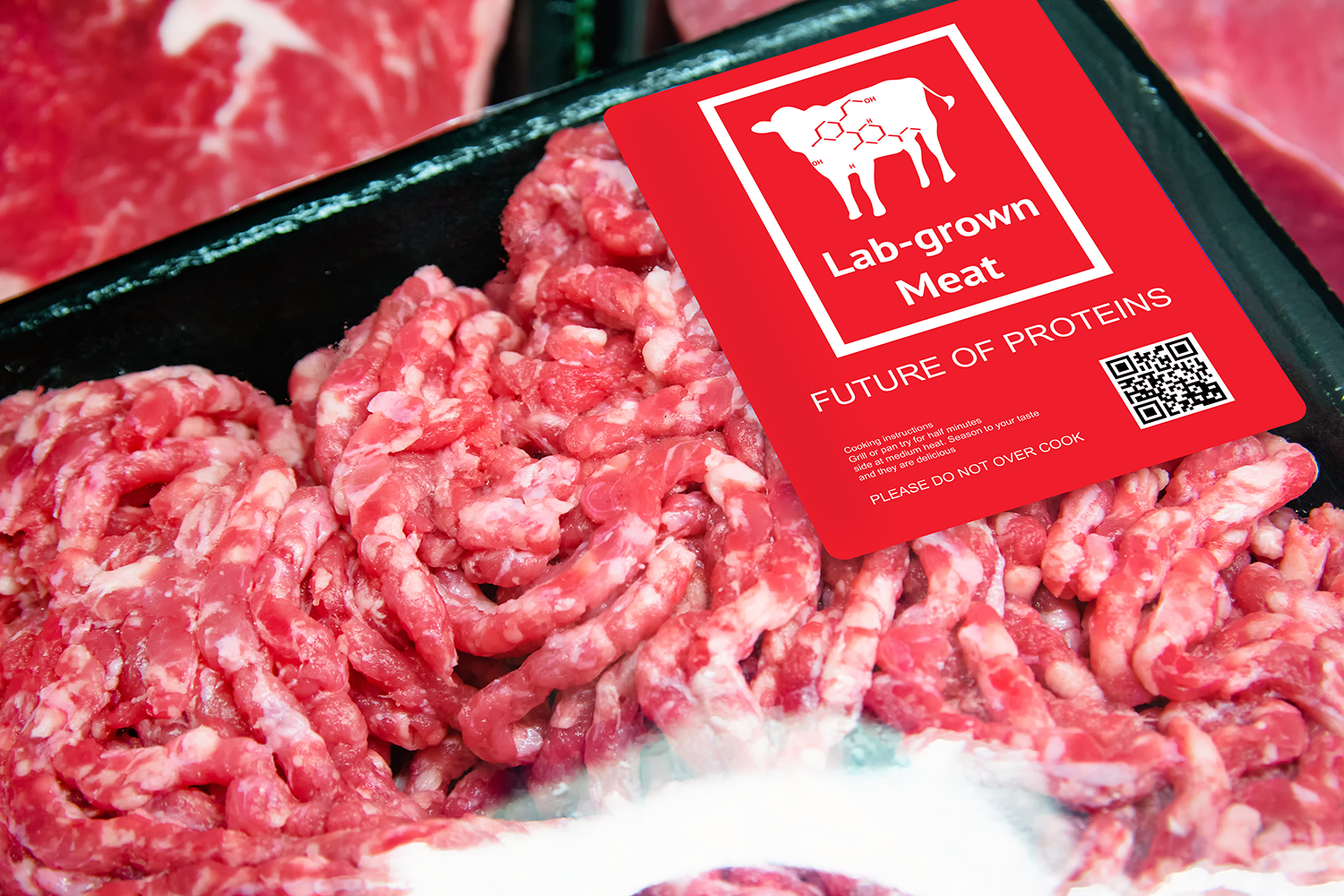
Imagine biting into a juicy burger that never came from a cow grazing in a field—because it was grown entirely in a lab. This is lab-grown meat, also known as cultured meat, and it’s more than a novelty. Recent breakthroughs have made large-scale production possible, sparking a shocking revelation: cultured meat could threaten traditional farming and upend the global meat industry. In this article, we’ll dive into what lab-grown meat is, why it’s on track to challenge livestock agriculture, and how this shift may reshape our environment, economy, and daily diets. Brace yourself for a look at the future of protein.
What Is Lab-Grown (Cultured) Meat?
Lab-grown meat is produced by cultivating animal cells in a controlled environment, bypassing the need to raise and slaughter animals. The basic steps include:
- Cell Harvesting: Scientists take a small sample of muscle cells from a living animal.
- Cell Cultivation: These cells are placed in a growth medium rich in nutrients and growth factors.
- Tissue Formation: Over weeks, the cells multiply and form muscle fibers that closely mimic meat texture.
- Harvesting & Processing: The resulting tissues are harvested, shaped, and prepared into familiar products—burgers, nuggets, or even steaks.
Because it uses significantly less land, water, and feed, cultured meat is hailed as a potential sustainable protein solution. But its rise comes with unintended consequences for farmers and rural communities.
Environmental Impact: A Clear Advantage
Traditional livestock farming is a major contributor to greenhouse gas emissions, deforestation, and water pollution. Lab-grown meat offers clear environmental benefits:
- GHG Emissions: Studies suggest cultured meat could cut emissions by up to 96% compared to beef farming.
- Land Use: Cultured meat production requires over 99% less land, freeing up space for reforestation or wildlife habitat.
- Water Use: It can use up to 90% less water than conventional animal agriculture.
- Pollution Reduction: No animal waste means less runoff of nitrates and phosphates into waterways.
Governments and environmental groups view cultured meat as a tool to meet climate targets, making it a fast-growing sector for research funding and policy support.
Economic Disruption: Farmers on Edge
As cultured meat moves toward supermarket shelves, traditional farming faces uncertainty:
- Shrinking Demand: A shift in consumer choice toward lab-grown products could reduce the demand for cattle, pigs, and chickens.
- Price Competition: While initial cultured meat prices have been high, economies of scale and technological advances promise rapid cost declines—potentially undercutting pasture-raised meat.
- Rural Livelihoods: Entire communities dependent on animal farming may suffer income losses, leading to economic ripple effects in feed production, processing plants, and related services.
Some farmers are exploring ways to integrate, such as growing feedstock or cell lines, but many see cultured meat as an existential threat to their way of life.
Health and Safety: Pros and Cons
Cultured meat could bring health benefits but also unknown risks:
Potential Benefits
- No Antibiotics or Hormones: Eliminates common livestock growth enhancers linked to antibiotic resistance.
- Controlled Conditions: Reduced risk of foodborne pathogens like E. coli or Salmonella.
- Customizable Nutrition: Possible to boost omega-3s or reduce saturated fats directly in the cell culture.
Potential Concerns
- Novel Allergens: New proteins or processing agents could trigger allergies not seen in conventional meat.
- Processing Additives: Growth media components and scaffolding materials may require careful regulation.
- Long-Term Health Effects: Limited epidemiological data means unknown impacts on human health over decades.
Rigorous clinical trials and transparent labeling will be crucial to build consumer trust in lab-grown products.
Consumer Acceptance: The Hurdle Ahead
Marketing cultured meat presents unique challenges:
- Perception of “Unnaturalness”: Surveys show many consumers view lab-grown meat as artificial or unappetizing.
- Price Sensitivity: Initially higher prices may limit adoption to early adopters and premium niches.
- Cultural and Ethical Views: Some vegetarians and vegans may reject cultured meat as still animal-derived, while others see it as a cruelty-free option.
Education campaigns, taste trials, and endorsements by chefs and celebrities could shift public opinion, but widespread acceptance remains uncertain.
Regulatory Landscape: A Patchwork of Rules
Governments worldwide are racing to set rules for cultured meat:
- USA: The FDA and USDA share oversight—FDA regulates cell culture, while USDA handles labeling and inspection.
- Europe: The EU’s Novel Foods regulation requires pre-market approval, with slow, cautious evaluations.
- Asia: Singapore became the first country to approve lab-grown chicken in 2020, paving the way for others.
Consistent global standards will help producers scale up and assure consumers that products meet safety and quality benchmarks.
Technological Innovations Driving Costs Down
The key barrier—high production cost—is falling fast thanks to:
- Bioreactor Advances: New designs boost cell yield and reduce energy use.
- Plant-Based Growth Media: Shifting from expensive animal serum to soy or algal extracts lowers ingredient costs.
- Scaffold Development: 3D-printed edible scaffolds improve texture and reduce processing time.
- Automation & AI: Robotics and machine learning optimize culture conditions and predict quality outcomes.
Experts predict cultured meat could reach price parity with conventional meat within five years, accelerating its market disruption.
Cultural Implications: Redefining “Food”
As lab-grown meat enters mainstream culture, it forces us to rethink food’s meaning:
- Tradition vs. Innovation: Barbecue festivals and family farms may evolve alongside bioreactors and cell banks.
- Ethics of Consumption: Questions emerge around identity—are we eating meat if it never lived?
- Global Food Security: Cultured meat promises affordable protein for growing populations, even in regions lacking farmland.
This cultural shift may mirror the industrial revolution’s impact on craft industries, redefining how societies produce and consume staples.
Opportunities for Farmers and Entrepreneurs
Not all impacts are negative. Cultured meat also creates new opportunities:
- Diversification: Farmers can grow input crops for growth media, such as sugarcane or algae.
- Local Biomanufacturing: Small-scale bioreactors in rural areas could provide jobs in bioprocessing.
- Collaborative Ventures: Legacy meat companies are investing in startups, blending traditional and cultured portfolios.
- Sustainability Branding: Hybrid products combining conventional meat with cultured cells may appeal to eco-conscious consumers.
Proactive adaptation can turn a threat into a chance for innovation and resilience.
The Path Ahead: Balancing Ecosystems
To ensure cultured meat’s rise benefits society, stakeholders must collaborate:
- Integrated Policies: Governments should provide transition support for affected farmers while encouraging sustainable proteins.
- Community Engagement: Rural voices need inclusion in planning to prevent economic dislocation.
- Ethical Standards: Clear animal welfare, environmental, and labor guidelines will build trust.
- Research Investment: Continued funding in both traditional agriculture and cell-culture research can optimize diverse protein sources.
A balanced approach can merge the best of both worlds—safeguarding livelihoods while advancing food security and climate goals.
Conclusion
The shocking revelation that lab-grown meat could threaten traditional farming signals a turning point for the global food system. Cultured meat promises drastic cuts in emissions, land use, and animal suffering, but also challenges the economic foundations of rural communities and raises ethical questions. As costs fall and technology matures, cultured products will move from niche to mainstream, forcing farmers, companies, and regulators to adapt swiftly. By fostering inclusive policies, transparent regulation, and open dialogue, we can harness cultured meat’s benefits—ensuring a future where everyone enjoys sustainable, safe, and affordable protein without abandoning our agricultural heritage. The kitchen of tomorrow may blend cell bioreactors and family farms, but the goal remains the same: feeding the world with both innovation and respect for tradition.