
 Written By
  Reviewed By Stevie Haven
Introduction
Travel has changed. More people now seek deeper meaning than just ticking off famous sights. Slowmad travel offers a fresh approach. It combines eco-friendly adventures with mindful exploration. Instead of rushing through crowded spots, Slowmad travelers immerse themselves in local culture and nature.
In the United States in 2025, eco-journeys beyond tourism have gained popularity. Travelers want to leave lighter footprints. They prefer learning local customs, helping communities, and protecting the environment. This article explains what Slowmad travel means, why it matters, and how you can plan your own eco journey. By the end, you will have tips and ideas for a more meaningful trip.
What Is Slowmad Travel?
Slowmad travel blends two ideas: slow travel and life as a modern nomad. Slow travel means taking time to explore one place deeply. Instead of cramming many cities in a week, you spend days or weeks in a village. You visit markets, learn crafts, and eat local foods.
A nomad moves from place to place, but a Slowmad traveler does so with purpose. They work remotely or volunteer while thatched-roof huts, forest lodges, or eco-villages become their home. This way, they live among locals and understand their daily lives.
Slowmad travel is about mindful choices. From using solar-powered hostels to biking instead of renting cars, every decision reduces environmental impact. This approach embodies mindful travel. Travelers respect nature and local traditions. They support small businesses and community projects.
Why Choose Eco Journeys Beyond Tourism?
Traditional tourism often focuses on famous attractions. Tour buses, package tours, and crowded landmarks can feel shallow. They can strain local resources and harm fragile environments. In contrast, eco journeys beyond tourism focus on responsible choices and long-term benefits.
With Slowmad travel, you stay longer in one spot. You rent a local home, buy from village markets, and learn crafts. This helps local families directly rather than large hotel chains. You also reduce carbon emissions by using public transport, cycling, or simply walking.
Another reason to choose sustainable travel is self-discovery. By slowing down, you sense local rhythms—sunrise rituals, midday markets, and evening stories by a campfire. You learn new skills like farming, weaving, or cooking traditional dishes. These experiences stay with you long after you return home.
Key Principles of Slowmad Travel

Adopting Slowmad travel means following a few guiding principles:
1. Embrace Local Culture
Take part in village festivals, learn a local dance, or help prepare meals. This immerses you in traditions you won’t find on tourist maps. Locals often appreciate genuine interest and share their history, stories, and crafts.
2. Minimize Environmental Impact
Choose eco-friendly adventures. Stay in eco-lodges made from local materials. Carry a reusable water bottle and avoid single-use plastic bags, plastic bottles. Opt for solar-powered devices and eco-friendly toiletries. Support conservation efforts by joining tree-planting or beach-cleanup events.
3. Support Community-Based Tourism
Book guides from local cooperatives. Purchase handicrafts directly from artisans. When you stay in a family-run guesthouse, your money goes into the local economy. This strengthens community resilience and encourages youth to preserve traditions.
4. Slow Down and Reflect
Plan fewer destinations with more time in each place. Allow at least a week or two in one location. This reduces travel fatigue and stress. Use downtime to write a journal, sketch landscapes, or simply listen to nature.
5. Learn and Contribute
Before you travel, learn a few phrases in the local language. Attend workshops on sustainable farming or traditional weaving. Many communities welcome volunteers for a day or a week. This exchange of skills enriches both visitors and hosts.
Eco-Friendly Tools and Resources
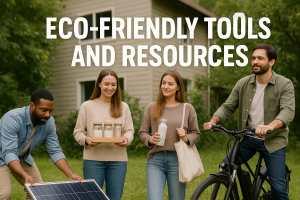
To support your Slowmad travel, use these tools and natural resources:
- Sustainable Travel Apps: Apps like “Ecolytiq” track and reduce your carbon footprint of flights and trains. You can offset your emissions or choose greener routes.
- Local Guides and Community Platforms: Websites like “Global Greeter Network” connect travelers with local volunteers who guide them through their hometown. Community platforms help you find genuine experiences.
- Eco-Friendly Accommodation Sites: Platforms such as “Bookitgreen” list eco-lodges, farmstays, and sustainable hostels. You can filter by solar power usage, water-saving features, and local ownership.
- Volunteer Networks: Organizations like “Workaway” and “WWOOF” match travelers with hosts who need help on farms, in hostels, or community centers. You trade a few hours of work for lodging and meals.
- Carbon Offset Programs: Sites like “Gold Standard” let you invest in verified projects that plant trees, build solar farms, and support clean water. Offsetting helps neutralize travel emissions.
- Digital Guides: Download offline maps from “Maps.me” and local e-guides. These guides often include hidden gems and local tips missing from mainstream travel blogs.
Examples of Slowmad Travel Experiences
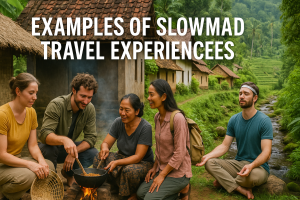
To illustrate eco journeys beyond tourism, here are some real-life examples:
1. Forest Homestay in Costa Rica
In the rainforests near Monteverde, travelers stay in small bungalows run by a local family. Guests help plant native trees, learn to identify medicinal plants, and assist with daily farm chores. Evening walks with a local guide reveal howler monkeys and toucans.
2. Rice Farming in Bali
In Bali’s rural areas, visitors join farmers in rice paddies. They help plant or harvest rice, depending on the season. After work, families share traditional Balinese meals. Travelers learn about subak, the ancient water management system that keeps rice terraces fertile.
3. Nomadic Herding in Mongolia
Mongolian yogis (herders) welcome guests to gers traditional round tents on the steppe. Travelers milk yaks, ride horses, and learn throat singing. They experience a night under the stars, hearing wolves howl. This mindful travel to remote regions teaches resilience and respect for nature.
4. Sustainable Fishing Village in Greece
In a small Greek island village, guests join fishermen at dawn. They cast nets and haul in the catch. In the afternoon, they help clean fish and learn to prepare simple meals of grilled octopus and salad. Evenings are spent with elders telling local myths by lamplight.
Comparative Table: Slowmad Travel vs. Traditional Tourism
| Aspect | Slowmad Travel | Traditional Tourism |
|---|---|---|
| Travel Pace | Slow, days or weeks in one place | Fast, visit many places in short time |
| Accommodation | Local homestays, eco-lodges, small guesthouses | Hotels, resorts, large chain hotels |
| Activities | Farming, learning crafts, community engagement events | Sightseeing, theme parks, guided tours |
| Environmental Impact | Low uses local resources and sustainable practices | Higher mass tourism, more food waste |
| Local Economy Support | Strong money goes directly to families | Weaker often goes to large chains |
| Cultural Connection | Deep immersive, genuine interaction | Superficial brief interactions |
| Learning Opportunity | High learn traditional skills, local history | Limited tourist guides, packaged tours |
| Cost | Moderate depends on local pricing, often lower | Variable can be high for luxury trips |
| Crowds | Few remote or offbeat places | Many popular tourist hotspots |
| Flexibility | High open schedule, change plans easily | Low fixed itineraries, group schedules |
Conclusion
Slowmad travel and eco journeys beyond tourism represent a shift toward deeper, more meaningful travel. By spending time in one place, supporting local families, and choosing sustainable travel practices, you can explore the world while protecting it. Slowmad travel offers personal growth, cultural connection, fossil fuels, and less environmental negative impacts. It fosters mindful consumption and promotes sustainable living.
As you embrace these journeys, remember to pack light, support local economies, and respect customs and nature. Use eco-friendly tools to plan, and choose accommodations that follow green practices. By taking small steps like learning a local phrase or joining a community members cleanup, you transform your trip into a force for good.


