 Written By
  Reviewed By Emily Luna
Introduction
In recent years, the adoption of smart technologies in homes has increased across many parts of the world, including Pakistan. Among these advancements, smart door locks have gained attention for offering keyless entry, mobile control, and enhanced monitoring features. In a fast-developing city like Lahore, where urban life is merging with modern technology, smart door locks may appear to be the future of home security. However, while they bring innovation, they also raise concerns—especially within the unique social, economic, and infrastructural landscape of Lahore.
This article provides an in-depth, balanced view of smart door locks and whether they truly fit into the daily lives of Lahore residents.
What Are Smart Door Locks?
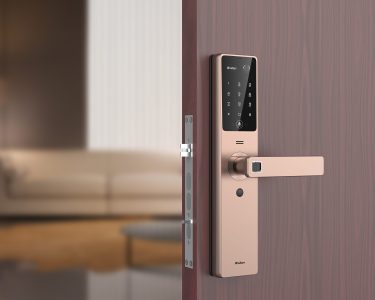
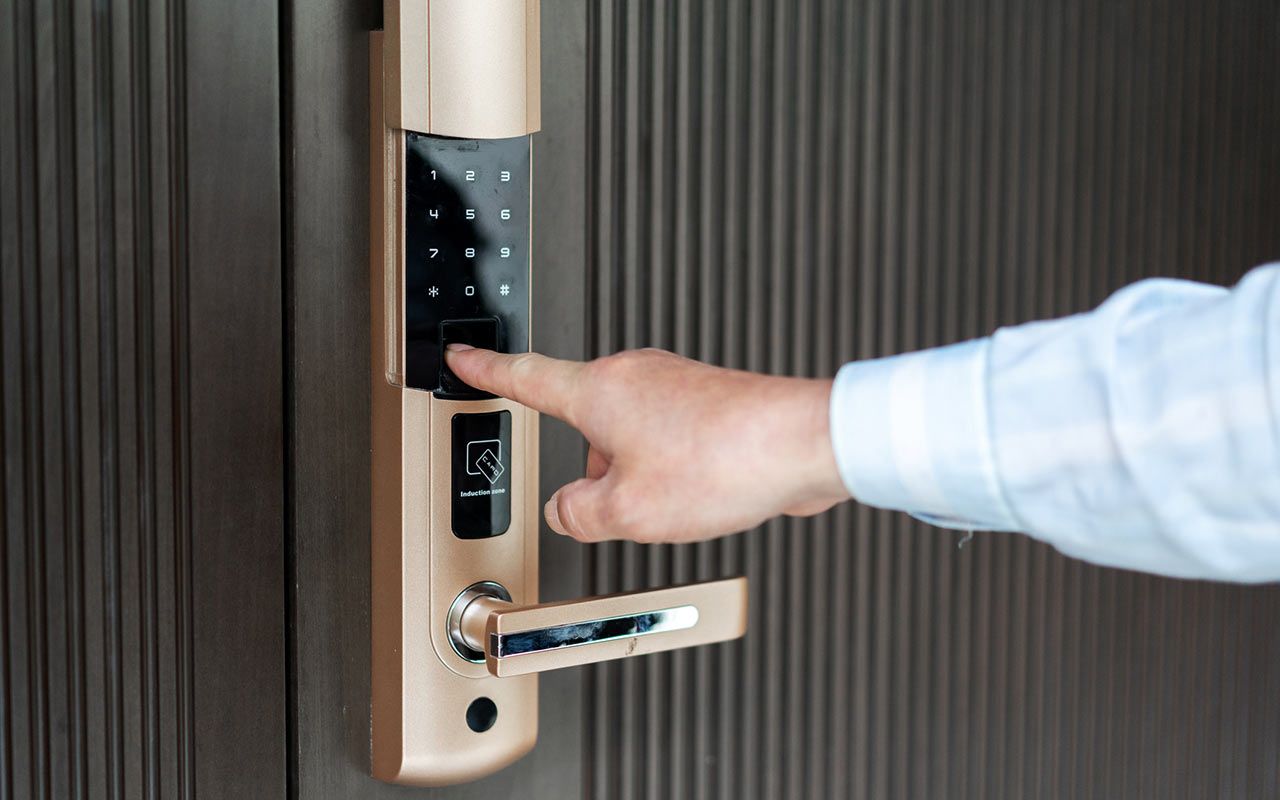
Smart door locks are electronic locking systems that allow users to control access to their homes via smartphones, keypads, biometrics, or even voice commands. These systems often offer features like:
- Remote access through apps
- Biometric identification (fingerprint, facial recognition)
- Auto-locking and unlocking based on proximity
- Temporary digital keys for guests or service providers
- Activity logs to track who entered and when
At first glance, these features appear to solve many traditional security issues, but are they the right choice for Lahore’s diverse neighborhoods and infrastructure challenges?
The Appeal of Smart Door Locks in Lahore
1. Modern Lifestyle Integration
Lahore is a growing metropolis where technology adoption is increasing, especially in newer housing societies, apartments, and gated communities. Many residents are seeking modern and convenient solutions for everyday tasks, and smart locks fit that trend. They eliminate the need to carry keys, can integrate with other smart home devices, and offer the ability to control access remotely—an attractive feature for working professionals or frequent travelers.
2. Enhanced Monitoring Capabilities
In homes where multiple family members, domestic helpers, and visitors are common, smart locks offer more control. Being able to monitor entry logs, set schedules, and create guest access codes allows homeowners to manage home security in more detail.
The Drawbacks and Limitations
While the features sound appealing, smart door locks also come with a range of critical limitations and hidden drawbacks, particularly in the context of Lahore.
1. Unstable Electricity Supply
Despite technological advancements, many areas in Lahore still face electricity load-shedding, power fluctuations, and outages. Since smart locks rely heavily on electricity or battery power, this makes them less reliable during unexpected power cuts. A drained battery or an unexpected power failure could lock a person out—or worse—fail to secure the house.
2. Internet Dependency
Smart locks often require stable internet connections to function properly, especially those that are app-controlled. While Lahore has decent internet coverage, it is not consistent across all areas. Disruptions in internet services, poor Wi-Fi signals, or network downtimes can hinder access, potentially leaving users locked out or unable to control the lock remotely.
3. Security Vulnerabilities
Ironically, while smart locks are designed to improve security, they can create new risks. Being digital devices, they are susceptible to hacking, app vulnerabilities, and unauthorized access. Without proper cybersecurity measures, including strong passwords and frequent updates, a smart lock can become an entry point for criminals—both physically and digitally.
Physical Security vs. Digital Innovation
1. Durability Issues
Traditional locks are built to withstand physical tampering and environmental challenges. In contrast, smart locks often include sensitive electronic components, screens, and sensors. Lahore’s extreme summer heat, monsoon rains, and dusty environment may reduce their lifespan or cause malfunctions over time.
2. Mechanical Backup Concerns
Most smart locks offer a mechanical key override in case of emergencies. However, these keyholes are sometimes poorly designed or hidden, and not all users are aware of how to access them. If the electronic component fails, and the user doesn’t have a key on hand—or the keyhole has corroded—it could result in being locked out entirely.
Socioeconomic Factors to Consider
1. High Initial Cost
Smart locks are significantly more expensive than traditional locks. In addition to the initial hardware cost, there may be installation fees, regular maintenance, software updates, and even paid mobile apps or cloud storage. In a city like Lahore, where a large portion of the population still operates on limited monthly budgets, this technology remains inaccessible to many.
2. Maintenance and After-Sales Support
Technical devices require regular maintenance, updates, and sometimes professional servicing. Unfortunately, the availability of reliable after-sales service and support for such technology in Lahore is still limited. If the device malfunctions, finding a local technician familiar with the specific smart system may be difficult or expensive.
3. Technology Familiarity
Not all members of a household are comfortable using mobile apps or digital interfaces. In many Pakistani homes, grandparents, domestic staff, or children may not be able to use or understand how smart locks function. This creates usability barriers and may even reduce overall home security due to misuse or user error.
Cultural and Privacy Concerns
Smart locks collect data such as access times, user logs, and sometimes even location-based data. This raises questions about privacy and data misuse. In the Pakistani context, where digital rights and privacy laws are still evolving, the collection and potential misuse of such personal data are serious concerns. Many users are unaware of how much data these devices collect and what companies or platforms might do with that information.
Moreover, cultural practices often involve frequent visits from extended family and guests. Managing access permissions for multiple people may become more of a hassle than a convenience.
Alternative Solutions
Instead of fully digital locks, some homeowners in Lahore opt for hybrid systems—traditional locks combined with smart features like cameras or motion sensors. These systems offer a balance between technological convenience and mechanical reliability. Others prefer upgrading to high-security mechanical locks with better tamper resistance, which often costs less and offers better long-term durability without the technical headaches.
Is It the Right Time for Lahore?
Lahore is a city of contrasts—modern apartments and commercial complexes exist alongside centuries-old structures and middle-income housing. The suitability of smart door locks depends on various factors:
- Location: Are you in a gated society with backup electricity and stable internet?
- Security needs: Do you frequently travel or need to monitor home access remotely?
- Household demographics: Will all residents and staff be able to use a digital lock?
- Budget: Can you afford the upfront cost and ongoing maintenance?
If these factors align, smart door locks may offer convenience and modern functionality. But for the majority, traditional security solutions still provide a more reliable and cost-effective way to protect the home.
Conclusion
Smart door locks represent a significant leap in home security technology, offering features that are especially attractive in our fast-paced, digitally connected world. However, in a city like Lahore, these benefits must be weighed carefully against the practical realities of power outages, internet reliability, affordability, and local infrastructure.
Before investing in a smart lock, homeowners should consider not only the short-term convenience but also long-term reliability, maintenance needs, and the potential risks. For now, traditional mechanical locks—perhaps combined with smart surveillance systems—may still offer a better balance of security and practicality for most homes in Lahore.