

 Written By
 Starting a new fitness routine can feel confusing. There are countless exercises, workout plans, machines, and fitness trends to choose from. However, you do not need a complicated routine to become stronger. You only need a clear plan, proper technique, and enough consistency to keep moving forward.
Strength training helps you build and maintain muscle while improving your overall physical fitness. It can also support stronger bones, better balance, improved posture, and greater confidence in everyday activities. Most importantly, beginners can start with simple movements and gradually increase the challenge.
What Is Strength Training?
Training involves exercises that make your muscles work against resistance. That resistance can come from your body weight, dumbbells, resistance bands, kettlebells, or gym machines. The goal remains simple: challenge your muscles so they can adapt and become stronger over time.
You do not need to lift extremely heavy weights. In fact, beginners should focus on learning proper movement before worrying about lifting more. Good technique helps you control each exercise and reduces unnecessary strain.
For example, squats train several muscles in your lower body. Push-ups work your chest, shoulders, arms, and core. Rows target the muscles in your back. These basic movements can form the foundation of an effective workout.
Why Should Beginners Start?
A consistent routine can offer benefits beyond building muscle. Regular resistance exercises can make daily tasks easier. Carrying groceries, climbing stairs, lifting boxes, and getting up from a chair can all feel more manageable when your muscles become stronger.
Strength training can also support healthy bones. Your body responds to resistance by adapting to the demands you place on it. Therefore, regular exercise can play an important role in maintaining physical function as you age.
In addition, resistance workouts can improve body awareness. You learn how to move your joints, stabilize your body, and control different muscle groups. As your skills improve, you may feel more comfortable during both workouts and everyday activities.
Start With Basic Movement Patterns
Beginners should not try to learn dozens of exercises at once. Instead, focus on a few basic movement patterns. These patterns allow you to train multiple muscle groups without creating an unnecessarily complicated routine.
Start with a squat movement. You can use a bodyweight squat before adding resistance. Next, practice a pushing movement such as a push-up. If a standard push-up feels difficult, place your hands on an elevated surface.
Then add a pulling movement. A resistance band row can work well for beginners. You can also include a hip-hinge movement, such as a light Romanian deadlift, once you understand the correct technique by strength training.
Finally, include exercises that challenge your core. A plank provides a simple starting point. Focus on maintaining a stable position instead of trying to hold the plank for as long as possible.
Choose the Right Weight
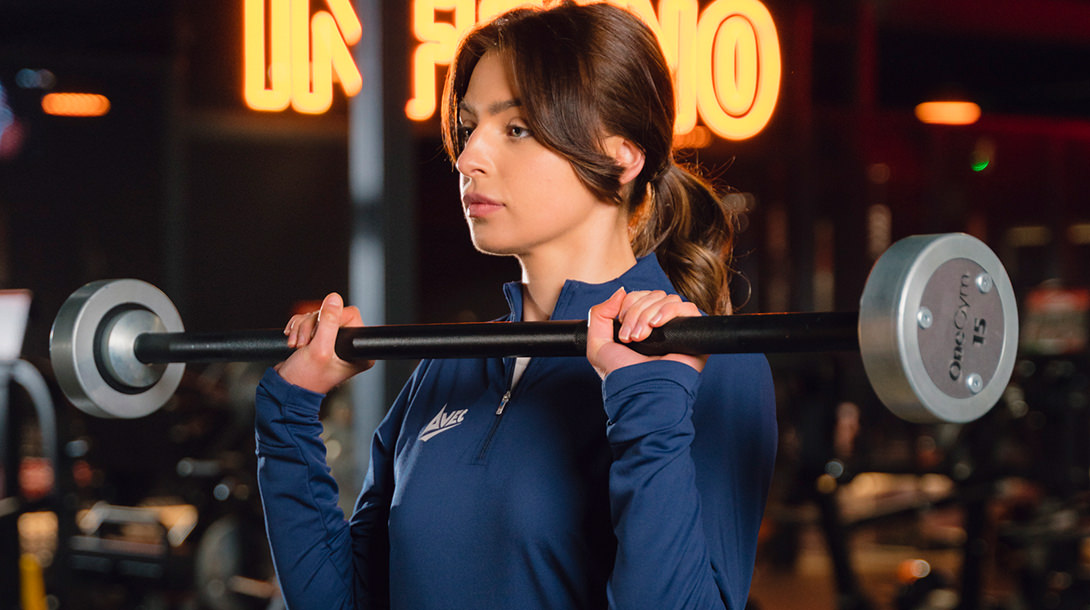
Choosing the correct resistance matters. A weight should challenge you without forcing you to sacrifice your form. If you cannot control the movement, reduce the weight.
On the other hand, a resistance level that feels effortless may not provide enough challenge. You should finish your set feeling that you worked hard while still maintaining good technique.
Start conservatively. As your body adapts, increase the resistance gradually. You can also add repetitions or sets instead of increasing weight immediately. This gradual approach helps you make steady progress. It also prevents you from turning every workout into a test of maximum strength.
Pay Attention to Repetitions and Sets
You do not need a complicated formula when you begin. A simple routine might include two or three sets of an exercise. Depending on the movement and your experience, you can perform several controlled repetitions per set.
The quality of each repetition matters more than rushing through a high number. Move with control and maintain a comfortable range of motion.
Furthermore, give yourself enough rest between sets. Your muscles need time to recover before you challenge them again. Shorter rest periods may work for some exercises, while demanding movements may require more recovery.
Do Not Ignore Recovery
Exercise provides the stimulus, but recovery helps your body adapt. Therefore, avoid training the same muscles intensely every day. Sleep also matters. Your body uses rest periods to repair and rebuild tissue. Try to maintain a consistent sleep schedule and give yourself enough time to recover between challenging workouts.
Nutrition plays a role as well. Eat balanced meals that provide protein, carbohydrates, healthy fats, vitamins, and minerals. Drink enough water throughout the day, especially when you exercise regularly.
Focus on Progress, Not Perfection
Beginners often expect dramatic results within a few weeks. However, meaningful progress takes time. Your first goal should involve building a sustainable habit. Keep track of your exercises, resistance, repetitions, and sets. This simple record can show you how your performance changes over time.
For example, you might perform eight controlled squats with a particular weight today. Several weeks later, you may perform ten repetitions with the same weight or use slightly more resistance with good form. Those small improvements matter. Most importantly, avoid comparing your progress with someone else’s. People start with different fitness levels, experience, schedules, and goals.
Stay Consistent and Listen to Your Body
A successful routine does not require you to train for hours. Even a few well-planned sessions each week can help you develop better strength and movement skills. Listen to your body as you exercise. Normal muscle fatigue can occur during a workout, but sharp or unusual pain deserves attention. Stop an exercise if something feels wrong and seek professional guidance when necessary.
You should also warm up before demanding movements. A few minutes of light activity and controlled mobility exercises can help prepare your body for the session. Ultimately, training works best when you approach it with patience. Learn the movements first, build your routine gradually, and increase the challenge as your abilities improve. You do not need perfection to make progress. You simply need a sensible plan and the commitment to follow it consistently.
Final Thoughts
Building strength does not require an extreme workout plan. Start with simple exercises, learn proper form, and increase the challenge gradually. Most importantly, stay consistent and give your body enough time to recover.
Remember that progress takes time. Focus on small improvements instead of chasing quick results. With patience, regular practice, and healthy habits, strength training can become a valuable part of your long-term fitness routine.


