 Written By
  Reviewed By Heath James
Introduction
Vaping has been marketed as a safer alternative to smoking, but recent years have revealed a darker side: severe lung failure linked to e-cigarette use. Known as EVALI (e-cigarette or vaping-associated lung injury), this condition can leave patients gasping for air and facing emergency care. While steroids and mechanical ventilation have formed the backbone of treatment, an unexpected hope has emerged: stem cell therapy. This surprising solution for vaping lung failure is showing promise in early studies, offering a potential path to heal lungs once thought beyond repair.
Understanding Vaping Lung Failure
What Is EVALI?
- Definition: EVALI stands for e-cigarette or vaping-associated lung injury.
- Symptoms: Patients often experience cough, chest pain, shortness of breath, fever, and fatigue.
- Timeline: Symptoms can develop over days to weeks after intensive vaping use.
- Diagnosis: Doctors rule out infections, blood clots, and other causes using imaging (chest X-rays, CT scans) and lab tests.
Why Vaping Causes Lung Damage
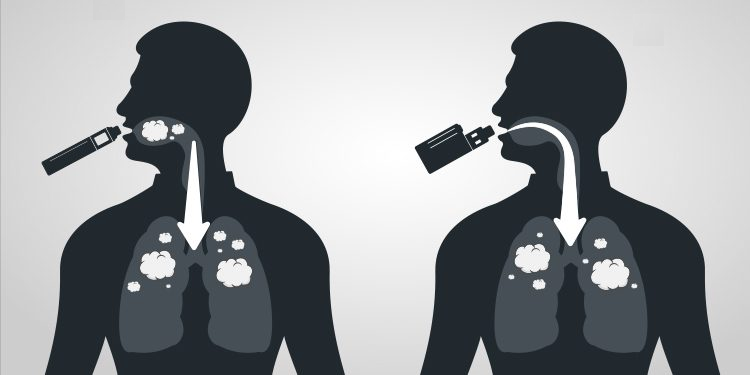
- Chemical Irritants: Many vape liquids contain oil-based carriers (like vitamin E acetate), flavorings, and solvents that damage lung tissue.
- Inflammatory Response: Harmful particles trigger immune cells, causing inflammation and fluid buildup in air sacs (alveoli).
- Long-Term Effects: Repeated injury can lead to scarring and reduced lung capacity—effects similar to fibrosis.
Standard Treatments and Their Limits
Until recently, EVALI treatment followed these steps:
- Cessation of Vaping: The first and most crucial step—stop all vaping and e-cigarette use.
- Corticosteroids: High-dose steroids (like prednisone) reduce inflammation in the lungs.
- Oxygen Therapy: Supplemental oxygen or mechanical ventilation helps severe cases breathe.
- Supportive Care: Fluids, fever control, and rest support the body’s recovery.
While many patients improve, some develop serious, irreversible damage. For these individuals, doctors have had few additional options—until stem cell therapy entered the scene.
Stem Cell Therapy: A New Hope
What Are Mesenchymal Stem Cells?
- Definition: Mesenchymal stem cells (MSCs) are adult stem cells found in bone marrow, fat, and umbilical cord tissue.
- Regenerative Power: MSCs can become various cell types and release growth factors that reduce inflammation and promote tissue repair.
- Immune Modulation: They help calm overactive immune responses, preventing further lung injury.
How MSCs Help Damaged Lungs
- Reduce Inflammation: MSCs secrete anti-inflammatory molecules that tone down immune attacks in the lungs.
- Repair Tissue: They encourage growth of healthy lung cells and new blood vessels.
- Limit Scarring: By modulating the healing process, MSCs can reduce the fibrotic scarring that stiffens lungs.
Early studies in animals and small human case series have shown improved oxygenation and lung function after MSC treatment for severe lung injury.
Case Studies and Emerging Evidence
Animal Research
- Mouse Models: Mice with chemically induced lung damage showed better breathing and less scarring after MSC injections.
- Mechanisms: Studies traced MSCs to lung tissue, where they released growth factors like VEGF and IL-10 to calm inflammation.
Human Compassionate-Use Cases
- Pilot Reports: Severe EVALI patients, failing standard care, received MSC infusions under special protocols.
- Outcomes: In several cases, breathing improved within days, allowing reduced ventilator support.
- Safety: No serious adverse effects were reported, and early lung scans showed less inflammation.
Clinical Trials on the Horizon
- Phase I Trials: Small safety studies are underway to test MSC doses in lung injury patients, including those with EVALI.
- Phase II/III Plans: If safety is confirmed, larger trials will compare MSC therapy plus standard care versus standard care alone to measure clear benefits.
Accessing Stem Cell Therapy
Eligibility and Referral
- Severe Cases: MSC therapy is considered for patients with life-threatening lung failure not improving on standard treatments.
- Special Centers: Only select hospitals with research programs currently offer these experimental therapies.
- Informed Consent: Patients and families must understand potential risks, benefits, and alternative options.
Treatment Process
- Stem Cell Collection: MSCs are harvested from donors’ bone marrow, fat tissue, or umbilical cords.
- Processing: Cells are purified and multiplied in a lab under strict quality controls.
- Infusion: MSCs are delivered intravenously, typically over one to three sessions.
- Monitoring: Doctors track vital signs, lung function, and inflammatory markers for weeks to months.
Risks, Limitations, and Ethical Considerations
Potential Risks
- Immune Reactions: Though rare, infused cells can trigger immune responses.
- Infection: Lab-handled cells must meet strict sterility standards to avoid contamination.
- Variable Response: Not all patients may benefit equally—factors like age, underlying health, and severity influence outcomes.
Ethical and Regulatory Landscape
- Experimental Status: MSC therapy for EVALI remains investigational and is not yet FDA-approved for this use.
- Cost and Access: High treatment costs and limited centers make access challenging.
- Informed Decision-Making: Transparent communication about risks, unknowns, and trial participation is crucial.
Beyond Stem Cells: Other Innovative Approaches
While MSCs lead the way, researchers explore additional options:
- Exosome Therapy: Isolated from MSCs, exosomes carry healing molecules without using whole cells.
- Gene Therapy: Editing genes in lung cells to boost their repair capabilities.
- Bioprinting: 3D printing patches of lung tissue to graft onto damaged areas.
- Hyperbaric Oxygen: High-pressure oxygen chambers help oxygenate severely inflamed lung tissue.
Each strategy aims to restore lung function in people left behind by conventional treatments.
Prevention Remains Key
Even the best therapies can’t match prevention. To protect lung health:
- Avoid Vaping: The strongest defense against EVALI is to stop using e-cigarettes completely.
- Seek Help for Addiction: Nicotine patches, counseling, or prescription medications can aid quitting.
- Stay Informed: Not all vaping products are equal—black-market cartridges often carry greater risks.
- Healthy Habits: Regular exercise, balanced diet, and flu/pneumonia vaccines support overall lung resilience.
By combining prevention with cutting-edge treatments like MSC therapy, we can reduce vaping’s toll on lungs.
Conclusion
The rise of vaping lung failure shocked both the public and medical community. While steroids and ventilators saved many lives, a new, surprising solution for vaping lung failure has emerged in the form of stem cell therapy. Early studies and compassionate-use cases show that mesenchymal stem cells can reduce inflammation, spur tissue repair, and improve breathing in patients once considered hopeless. Though still experimental and not widely available, MSC therapy offers genuine hope for severe EVALI survivors. As research advances, these pioneering treatments could join prevention and conventional care to form a full arsenal against vaping-related lung damage. If you or a loved one faces life-threatening EVALI, discuss clinical trial options with your medical team—and remember, the best cure remains never to start vaping in the first place.