
 Written By
  Reviewed By Alena Parker
Introduction
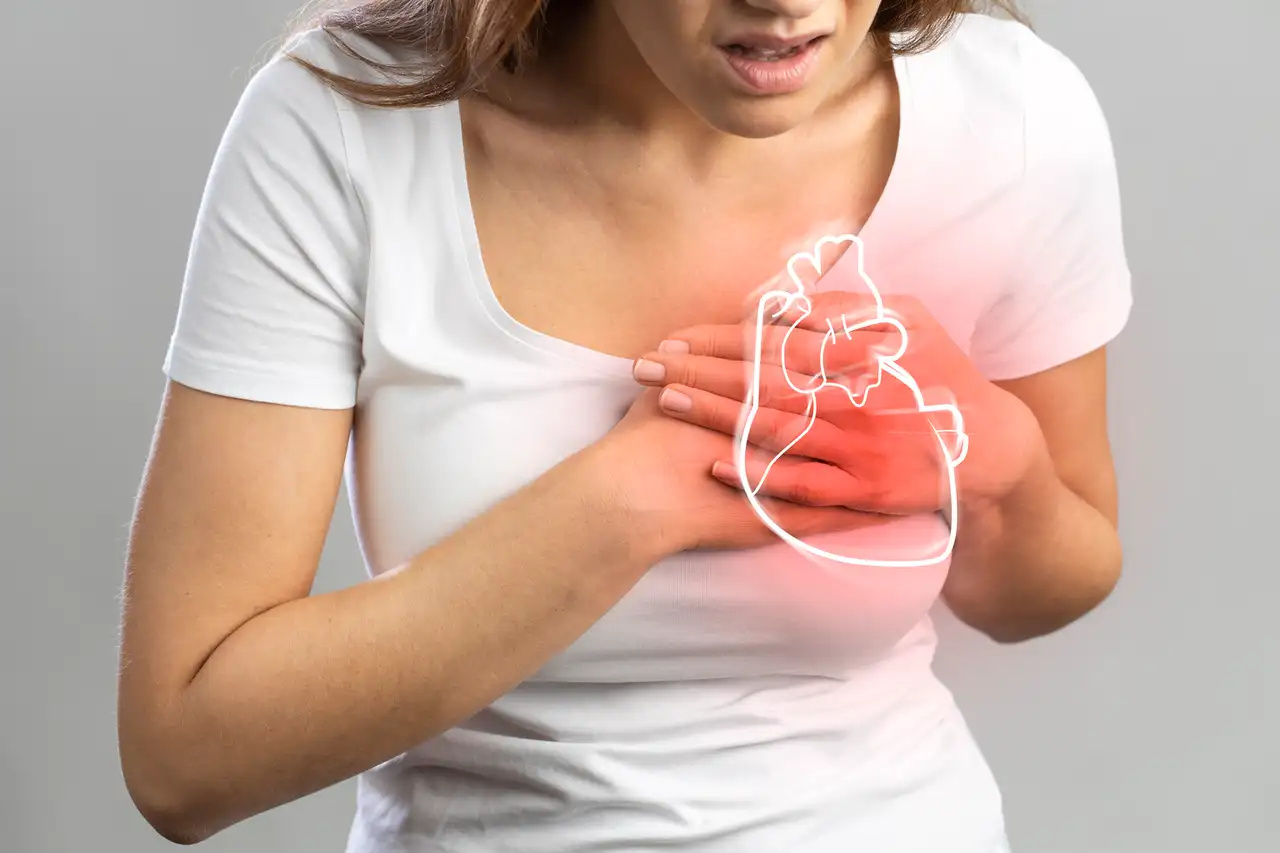
A heart attack once seemed like an older person’s problem, but today more young adults are experiencing serious heart events. The symptoms of a heart attack in the young generation can be subtle or mistaken for less serious issues, delaying critical care. Unlike classic cases of crushing chest pain, younger patients often report unusual signs—fatigue, indigestion, or jaw discomfort. Recognizing these early warning signals and acting fast can make the difference between life and death. In this article, we’ll explore common and atypical heart attack symptoms in young adults, risk factors, and steps to take if you suspect an emergency.
Why Heart Attacks Are Rising in Young Adults
Several trends contribute to increased heart attack risk among younger people:
- Sedentary Lifestyles: Long hours sitting at desks or streaming video reduce cardiovascular fitness.
- Poor Diets: High intake of processed foods, sugars, and unhealthy fats leads to obesity and cholesterol buildup.
- Stress and Anxiety: Chronic work or academic pressures spike cortisol, harming heart health over time.
- Smoking and Vaping: Nicotine and chemicals damage blood vessels and increase clot risk.
- Genetic Factors: Family history of early heart disease elevates individual risk.
Understanding these drivers emphasizes the need for awareness and prevention in younger populations.
Classic vs. Atypical Symptoms in Youth
While older patients often experience intense chest pain, young adults may see different presentations:
| Classic Symptom | Atypical in Young Adults |
|---|---|
| Chest pressure or pain | Sharp or stabbing discomfort localized to arm, neck, or back |
| Shortness of breath | Unexplained fatigue or weakness, even at rest |
| Sweating | Cold sweats or sudden clamminess without obvious cause |
| Nausea or vomiting | Indigestion, heartburn, or abdominal pain misdiagnosed as stomach flu |
| Lightheadedness | Anxiety attacks, dizziness, or fainting episodes |
Atypical symptoms often lead to misinterpretation, so always err on the side of caution.
Top Symptoms to Watch For
1. Chest Discomfort or Pressure
Not always crushing—can feel like a tight band around the chest, lasting more than a few minutes.
2. Unexplained Fatigue
Sudden, overwhelming tiredness that appears without an obvious cause, sometimes days before the event.
3. Shortness of Breath
Difficulty breathing during minimal activity or while lying down—can occur with or without chest pain.
4. Discomfort in Upper Body
Pain or tingling in one or both arms, shoulders, neck, jaw, or back, often on the left side.
5. Cold Sweats
Unexpected, drenching sweats accompanied by clamminess, sometimes mistaken for stress or a panic attack.
6. Nausea, Indigestion, or Heartburn
These digestive symptoms can mask underlying cardiac distress, especially if persistent.
7. Lightheadedness or Dizziness
Feeling faint or disoriented, which may precede collapse if untreated.
8. Palpitations
Rapid, irregular heartbeat or “fluttering” sensation that feels abnormal and persistent.
9. Anxiety or a Feeling of Impending Doom
An intense sense of worry or doom, sometimes described as a panic attack but with a cardiac origin.
Risk Factors Unique to Younger Adults
Identifying high-risk individuals helps target prevention:
- Family History: Early-onset heart disease in close relatives.
- High Blood Pressure and Cholesterol: Often undiagnosed in youth due to irregular check-ups.
- Obesity and Diabetes: Childhood obesity rates fuel early metabolic problems.
- Substance Use: Cocaine, methamphetamine, and excessive alcohol can trigger heart events.
- Poor Sleep Habits: Sleep apnea and chronic sleep deprivation strain the heart.
Regular health screenings, even in your twenties, can catch these issues early.
When to Seek Emergency Care
If you or someone you know experiences one or more of these signs—especially chest discomfort plus any other symptom—call emergency services immediately. Time is muscle: rapid treatment with aspirin, oxygen, and clot-busting drugs can limit heart damage. Never drive yourself; have someone else take you to the hospital or wait for an ambulance.
Prevention Strategies for Young Adults
Proactive steps reduce heart attack risk:
- Regular Exercise: Aim for 150 minutes of moderate aerobic activity per week.
- Balanced Diet: Emphasize fruits, vegetables, whole grains, and lean proteins.
- Quit Smoking: Seek support programs or medications to kick tobacco and vaping habits.
- Manage Stress: Practice meditation, deep breathing, or talk therapy to control anxiety.
- Regular Check-Ups: Annual doctor visits to monitor blood pressure, cholesterol, and glucose.
- Limit Alcohol: Stick to moderate drinking guidelines: up to one drink per day for women, two for men.
Healthy habits developed early pay dividends in long-term heart health.
Lifestyle Modifications Post-Event
If you’ve had a heart scare or mild attack, your doctor may recommend:
- Cardiac Rehabilitation: Supervised exercise and education program.
- Medication Management: Statins, blood pressure drugs, or blood thinners as needed.
- Dietary Guidance: Work with a nutritionist to adapt heart-healthy meal plans.
- Support Groups: Connect with peers facing similar challenges for motivation and advice.
These steps help prevent recurrence and improve quality of life.
Conclusion
Heart attacks in the younger generation present a unique challenge: symptoms can be subtle or dismissed as stress, delaying life-saving care. Recognizing both classic signs—chest pressure, sweating, shortness of breath—and atypical symptoms such as unexplained fatigue, indigestion, or jaw pain is crucial. By understanding your personal risk factors, maintaining healthy habits, and seeking immediate help at the first warning signs, you protect your heart now and for decades to come. Whether you’re in your 20s or 40s, never ignore discomfort or unusual symptoms. Early intervention saves lives—stay informed, stay proactive, and take your heart health seriously.