
 Written By
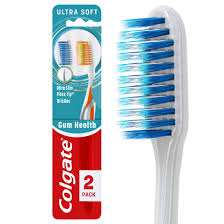
 When it comes to oral hygiene, the tools we choose can make a significant difference in our dental health. Among the many options available, one choice stands out for its effectiveness and gentle approach: the soft toothbrush. While it may seem like a minor detail, using a soft toothbrush can greatly impact your gum health, tooth enamel preservation, and overall oral hygiene routine.
Why Toothbrush Bristles Matter
The bristles of a toothbrush are critical in cleaning your teeth and gums. Toothbrushes typically come in three main bristle types: soft, medium, and hard. While medium and hard bristles may seem like they offer a deeper clean, dental professionals almost universally recommend soft bristles for everyday use. Why? Because soft bristles are effective at removing plaque and food particles while minimizing the risk of gum irritation and enamel erosion.
The Case for a Soft Toothbrush
Soft toothbrushes offer several benefits that make them the preferred choice for most people:
1. Protects Tooth Enamel
Tooth enamel is the hard, outer layer of your teeth that protects against decay. However, it’s not indestructible. Brushing too hard or using a stiff-bristled toothbrush can wear down enamel over time. Once enamel is lost, it does not regenerate, potentially leading to sensitivity and increased risk of cavities. A soft toothbrush is gentle enough to clean effectively without compromising your enamel.
2. Gentle on Gums
Your gums are sensitive tissues that can easily become inflamed or damaged. Using a hard toothbrush can lead to gum recession, where the gums pull away from the teeth, exposing the roots and making your teeth more vulnerable to decay and sensitivity. Soft bristles reduce this risk by providing a gentle, thorough clean that’s safe for your gum line.
3. Effective Plaque Removal
Some people worry that a soft toothbrush won’t clean as well as a firmer one. However, studies show that soft-bristled toothbrushes are highly effective at removing plaque when used correctly. The key is in your technique—brushing for at least two minutes twice a day, using circular motions, and reaching all areas of the mouth.
4. Ideal for People with Sensitive Teeth
If you have sensitive teeth or have recently undergone dental procedures such as whitening, fillings, or oral surgery, a soft toothbrush is essential. It ensures that you maintain your oral hygiene without causing discomfort or damage during the healing process.
5. Perfect for Children and Seniors
Children’s gums and teeth are developing, and seniors often have more delicate oral health conditions. In both cases, a soft toothbrush is the best option. It provides a safe and comfortable brushing experience, encouraging consistent dental habits without the risk of injury.
Choosing the Right Soft Toothbrush
Not all soft toothbrushes are created equal. When choosing one, consider the following:
-
Bristle Texture: Look for toothbrushes labeled “soft” or “extra-soft.” Avoid those with stiff or coarse bristles.
-
Head Size: Choose a toothbrush with a head size appropriate for your mouth. A smaller head can reach tight spaces more effectively.
-
Handle Comfort: Make sure the handle is comfortable to grip and allows for good control.
-
ADA Seal: Look for the American Dental Association (ADA) Seal of Approval, which ensures that the toothbrush meets safety and efficacy standards.
Electric toothbrushes with soft bristles are also a great choice. They often come with features like timers and pressure sensors to help you brush properly without overdoing it.
How to Use a Soft Toothbrush Correctly
Even the best toothbrush won’t be effective without the right technique. Here are some tips to maximize your oral care with a soft toothbrush:
-
Brush Twice Daily: Morning and night, for at least two minutes each session.
-
Use Gentle Pressure: Let the bristles do the work. Pressing too hard can negate the benefits of soft bristles.
-
Circular Motions: Instead of scrubbing back and forth, use gentle, circular motions to clean your teeth and gum line.
-
Replace Regularly: Replace your toothbrush every 3 to 4 months, or sooner if the bristles become frayed.
-
Don’t Forget Your Tongue: Many toothbrushes have a tongue scraper on the back of the head. Cleaning your tongue can help reduce bad breath and bacteria.
Additional Oral Health Tips
Using a soft toothbrush is a great start, but it should be part of a comprehensive oral hygiene routine. This includes:
-
Flossing Daily: Flossing removes plaque and food particles between teeth that your toothbrush can’t reach.
-
Using Fluoride Toothpaste: Fluoride strengthens enamel and prevents decay.
-
Mouthwash: An antiseptic or fluoride mouthwash can add an extra layer of protection.
-
Regular Dental Visits: Schedule check-ups and cleanings every six months to keep your smile healthy.
When to Consult a Dentist
If you’re experiencing persistent sensitivity, bleeding gums, or discomfort while brushing—even with a soft toothbrush—it’s time to see a dentist. These could be signs of gum disease, enamel erosion, or other oral health issues that require professional attention. A dentist can also recommend specific soft toothbrushes or techniques suited to your unique dental needs.
One reliable place to start your journey toward better oral health is thewdentalgroup.com, where you can find resources, professional guidance, and access to dental services that prioritize patient comfort and long-term wellness.
Conclusion
A soft toothbrush may seem like a small detail in your daily routine, but it plays a big role in maintaining your oral health. From protecting enamel and soothing sensitive gums to effectively cleaning your teeth, a soft-bristled toothbrush is a wise, dentist-recommended choice. By pairing it with proper technique, a consistent routine and Exploring the Impact of Diet on Dental Health you’re setting the foundation for a lifetime of healthy smiles.