
 Written By
  Reviewed By Fleur Quinn
Introduction
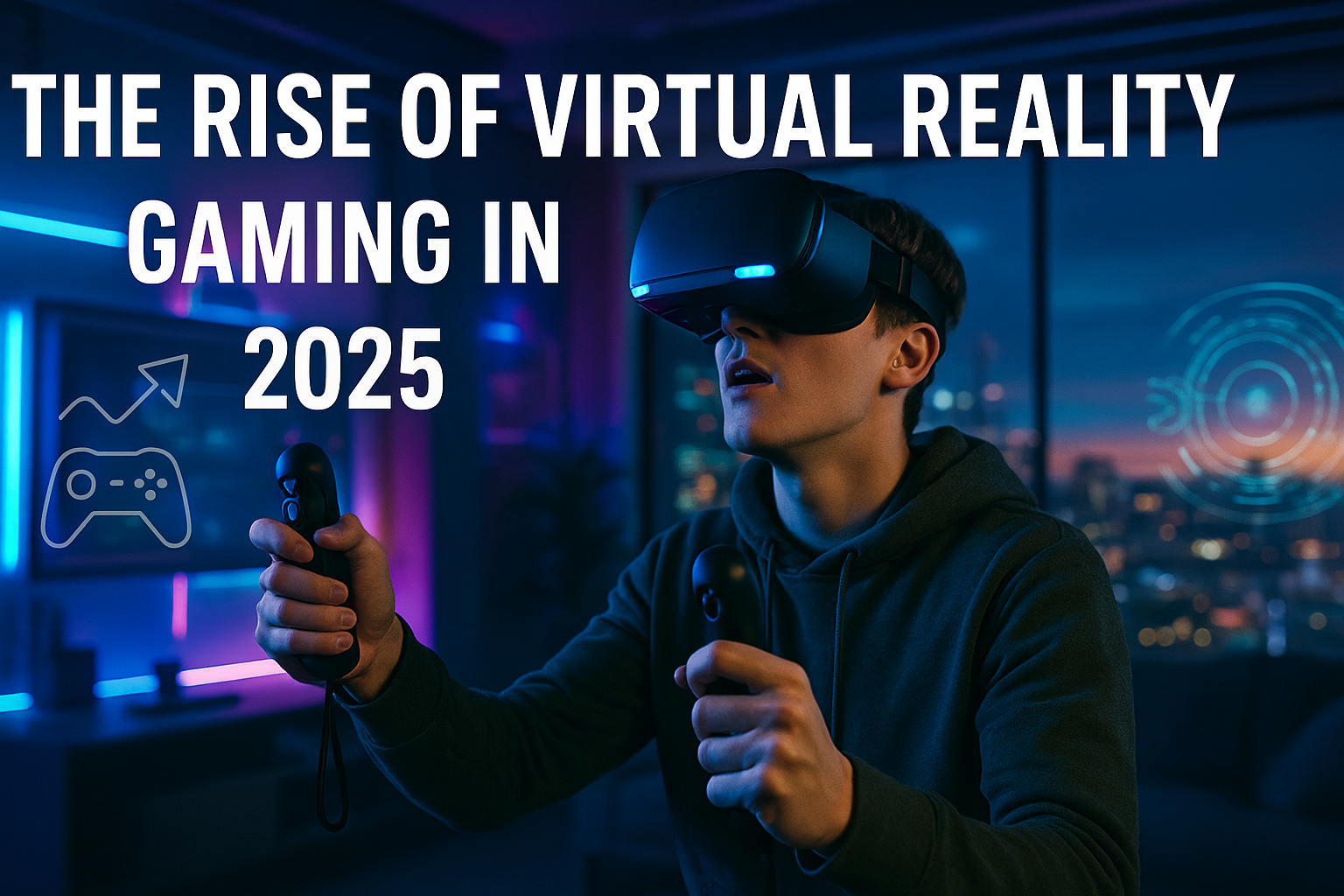
Virtual reality has moved from niche experiment to mainstream entertainment. In 2025, virtual reality gaming reaches new heights with lifelike worlds, realistic interactions, and seamless experiences. Gamers no longer just press buttons—they step into fully realized universes. This shift creates a fresh landscape for developers and players alike.
Thanks to advances in hardware and software, VR headsets are lighter, sharper, and more comfortable than ever. High-speed networks like 5G enable wireless VR streaming of top-tier graphics. Better haptic feedback systems let you feel every impact and tremor. All these innovations come together under the banner of 2025 gaming trends.
This article breaks down VR games 2025, revealing the key technologies and experiences driving growth. We explain what makes the latest headsets special, how immersive gameplay has evolved, and why metaverse gaming holds such promise. Whether you’re a seasoned VR fan or new to the headset world, you’ll discover smart tips for choosing gear and games. Read on to see how virtual reality is revolutionizing play in 2025.
What is Virtual Reality Gaming?
Virtual reality gaming uses headsets and motion controls to place players inside digital environments. You look around, reach out, and interact as if you were truly there. Unlike flat-screen games, VR surrounds your senses—sight, sound, and sometimes touch.
Early VR systems often suffered from low resolution and motion lag. Today’s headsets offer crystal-clear visuals at high refresh rates, cutting nausea and boosting realism. Controllers track hand movements precisely, and room-scale tracking lets you walk and duck naturally.
Developers craft worlds for exploration, puzzle-solving, and action. Popular genres include first-person shooters, survival horror, and social hangouts. The defining trait is immersion: you lose awareness of your real surroundings and focus entirely on the virtual one.
What Are the Key VR Gaming Trends in 2025?
The VR landscape in 2025 features several standout 2025 gaming trends:
Wireless VR: Cutting the tether has been a dream. Now, 5G and Wi-Fi 6E streaming let headsets receive high-quality graphics without cables. This freedom expands play areas and reduces setup hassles.
Metaverse Gaming: Shared virtual spaces where friends meet, create, and play together. These persistent worlds run on cross-platform engines, blending gaming with social and creative tools.
Cloud VR: Game titles stream from data centers, minimizing local hardware demands. You can access top AAA games on a mid-range headset with a fast internet connection.
Crossplay Experiences: VR and non-VR players join the same matches, lowering barriers to entry. This trend grows communities, making even niche titles more viable.
By embracing these trends, developers and platforms push VR beyond solo experiences into shared, always-on worlds.
What Makes the Latest VR Headsets Special?

Modern VR headsets in 2025 pack impressive features:
High Resolution and Refresh Rates: Many headsets now exceed 4K combined resolution with 120 Hz or more. This clarity reduces the “screen door” effect and keeps motion smooth.
Eye Tracking: Built-in cameras detect your gaze for foveated rendering—sharper detail where you look and lower detail in your peripheral vision. This boosts performance and immersion.
Standalone Power: Headsets like the Quest series now rival PC-tethered systems while running entirely on onboard processors and batteries. No cables mean easier setup and more portability.
Comfort and Ergonomics: New materials spread weight evenly, and modular straps let you customize fit. Fans and enhanced ventilation cut down on sweaty sessions.
These hardware advances make VR more accessible and enjoyable, encouraging newcomers to dive into immersive worlds.
What Enables Immersive Gameplay?
True immersion in immersive gameplay comes from multiple elements working together:
Haptic Feedback: Gloves and vests deliver precise vibrations when you touch objects or feel impacts. This sense of touch heightens realism, whether you’re firing a laser gun or petting a virtual cat.
Spatial Audio: 3D sound engines place noises around you—footsteps behind, distant engines above. Accurate sound cues guide your actions and deepen atmosphere.
Room-Scale Tracking: Sensors and inside-out cameras track your movements in real space. You can crouch behind cover or lean around corners just like in the real world.
Physics Simulation: Advanced engines model object weight, friction, and destruction in real time. Pulling a heavy rope feels different from tapping a glass window.
When combined, these features make you believe you’re truly inside another world.
How Wireless VR Changes the Game

Wireless VR frees you from tangled cables and limited play zones. Here’s how it works:
Local Streaming: A nearby PC or console streams video frames over high-speed Wi-Fi 6E to your headset. This keeps latency under 20 ms, which most users find unnoticeable.
5G Mobile Streaming: In locations with 5G coverage, you can stream VR games from cloud servers directly to your standalone headset. This allows high-end graphics anywhere you have service.
Onboard Processing Backup: If network speeds dip, the headset’s built-in GPU takes over at lower settings, ensuring continuous play.
By removing wires, wireless VR opens possibilities for public play areas, VR arcades, and simple home setups. You move unhindered, whether you’re dodging virtual arrows or dancing to a beat.
What Advances Haptic Feedback in 2025?
Haptic feedback has evolved far beyond basic rumble packs:
Glove-Based Systems: These track individual finger movements and deliver pinpoint vibrations or resistance. Squeeze a virtual object and feel its form in your hand.
Full-Body Vests: Wearable arrays of actuators simulate impacts from varying directions—useful in shooters and horror games.
Treadmills and Omni-Directional Platforms: Combine motion feedback with ground vibrations so you can jog, walk, or climb in place.
Temperature and Texture Simulation: Emerging tech uses minor temperature shifts and dynamic surfaces on gloves to simulate warmth, cold, or rough textures.
With these tools, your sense of presence skyrockets, making every action in a game feel real.
What to Expect from Top VR Games in 2025?

The lineup for VR games 2025 features both big-name and indie hits:
AAA Blockbusters: Major studios invest in VR spinoffs of popular franchises. Expect polished action-adventure titles with cinematic storytelling.
Social Worlds: Apps like Horizon Worlds expand with user-generated content. You can build games, host events, or just explore friends’ creations.
Fitness and Wellness: Games like Beat Saber evolve into full-body workout experiences. New VR yoga and meditation apps leverage immersive environments for relaxation.
Educational Simulations: Virtual field trips and training modules in fields from medicine to history make VR a tool for professional and academic growth.
As the library grows, quality and variety will keep pace with hardware improvements.
Table: Key VR Technologies vs. Benefits
| Technology | Benefit |
|---|---|
| Wireless Streaming | Greater freedom, easy setup |
| Eye Tracking | Improved graphics efficiency |
| Haptic Gloves & Vests | Realistic touch sensation |
| Spatial Audio | Immersive sound cues |
| Standalone Headsets | No PC required, portable gaming |
| Cloud VR | Access to high-end titles without PC |
| Motion Platforms | Full-body movement, enhanced fitness games |
| Social/Metaverse Worlds | Shared experiences, user-created content |
Tips for New VR Gamers

If you’re new to VR in 2025, follow these simple tips:
Start with a Lightweight Headset
Try a standalone model with easy setup before investing in PC-tethered gear.
Clear Your Play Area
Remove obstacles and mark boundaries to avoid accidents in room-scale tracking.
Begin with Short Sessions
Your body and brain need time to adjust to immersive environments. Start with 15-minute plays.
Explore Free Titles
Many platforms offer free demos and social spaces. Test a variety of games before buying.
Use Comfort Settings
Adjust snap-turning, vignette options, and inter-pupillary distance for minimal motion sickness.
By following these steps, you’ll ease into virtual reality gaming comfortably and safely.
Conclusion
The rise of virtual reality gaming in 2025 reflects massive leaps in hardware, software, and connectivity. VR headsets now pack high resolution, eye tracking, and standalone power. Wireless VR and cloud streaming let you roam untethered through vibrant worlds. Haptic feedback systems bring true touch sensation, while immersive gameplay blends spatial audio and room-scale tracking for full-body adventures. Social metaverse gaming expands the experience beyond solo play. For new and veteran gamers alike, these 2025 gaming trends promise deeper immersion and endless possibilities.
Call-to-Action (CTA): Ready to step into the next era of gaming? Try a demo at your local store or explore top VR headsets and games today!


