 Written By
  Reviewed By Cora Allison
Introduction
Adhesives play a critical role in modern manufacturing, construction, and repair industries. From automotive assembly to home improvement, adhesives are used to bond, seal. They enhance the performance of a wide range of materials. Among the many brands on the market or in the 3M Industry. Actually, What are the 3M Adhesives? Here,3M adhesives stand out for their innovation, reliability, and wide applicability. These products are known not only for their bonding strength but also for their ability to withstand harsh conditions. In this article, we’ll explore three common types of adhesives used across various industries and how adhesives sealants enhance their functionality.
What is Adhesives?
Adhesives are substances capable of holding materials together by surface attachment. Unlike mechanical fasteners such as screws or nails, adhesives distribute stress over a larger area. They are creating a more uniform bond. This makes them especially useful in applications where durability, aesthetics, and weight reduction are priorities.
There are many kinds of adhesives available, but they generally fall into several categories based on their chemistry and application method. Choosing the right adhesive depends on several factors, including the materials involved, environmental exposure, required strength, and curing time.
3M adhesives are a prime choice for both professionals and DIY users because they offer a wide range of solutions tailored to various industrial and commercial needs. Whether you need instant bonding, high-temperature resistance, or structural strength, 3M has a product designed for the task.
The Three Most Common Types of 3M Adhesives
Let’s take a closer look at three of the most commonly used adhesives and how they are applied in real-world scenarios:
1. Epoxy Adhesives
Overview: Epoxy adhesives are two-part systems consisting of a resin and a hardener. When mixed, they undergo a chemical reaction that creates a strong, durable bond.
Applications: Engineers use epoxies in structural applications that require high strength. They commonly apply them in aerospace, automotive, electronics, marine, and industrial manufacturing. Epoxies can bond metals, plastics, ceramics, and composites.
Advantages:
- High tensile and shear strength
- Excellent chemical and heat resistance
- Long-lasting durability
- Gap-filling capabilities
3M Adhesives Example: 3M™ Scotch-Weld™ Epoxy Adhesive DP420 is a two-part epoxy ideal for bonding metals, ceramics, wood, and many plastics. It offers excellent performance under dynamic loads and harsh environmental conditions.
Integration with Sealants: Epoxies can be paired with adhesives sealants for applications where both bonding and sealing are required, such as in water or air-tight assemblies.
2. Acrylic Adhesives
Overview: Acrylic adhesives are fast-curing and versatile, offering strong bonds across a wide variety of surfaces. They are typically two-part systems but can also be available as single-part solutions.
Applications: They are widely used in the automotive, signage, and electronics industries. Acrylics are known for their excellent resistance to weathering, making them ideal for outdoor use.
Advantages:
- Strong initial tack and quick curing
- Resistant to UV, temperature, and moisture
- Bond dissimilar materials such as metal to plastic or glass
- Minimal surface preparation required
3M Adhesives Example: 3M™ VHB™ (Very High Bond) Tape uses advanced acrylic adhesives to provide an ultra-strong, permanent bond. It replaces rivets, welds, and screws in many structural applications, especially in electronics and metal fabrication.
Integration with Sealants: Technicians often use acrylic adhesives with adhesive sealants in HVAC ductwork and vehicle assembly to prevent leaks and ensure structural integrity.
3. Polyurethane Adhesives
Overview: Experts recognize polyurethane adhesives for their flexibility and impact resistance. Manufacturers use these adhesives as one-component or two-component systems to bond porous materials or materials exposed to stress and vibration.
Applications: Used in construction, woodworking, and automotive industries, polyurethane adhesives excel at bonding wood, foam, rubber, plastics, and fabrics.
Advantages:
- Excellent flexibility and elasticity
- High resistance to impact and vibration
- Bonds a wide variety of substrates
- Works well in both indoor and outdoor environments
3M Adhesives Example: 3M™ Polyurethane Adhesive Sealant 550 is an excellent choice for sealing and bonding applications in construction, transportation, and industrial projects. It offers both strong adhesion and weatherproof sealing capabilities.
Integration with Sealants: Polyurethanes often serve as both adhesives and sealants, especially in construction, where sealing joints and bonding panels are done.
The Role of Adhesives Sealants
In many industrial applications, it’s not enough just to bond two materials. The joint must also be sealed against moisture, air, dust, or chemicals. This is where adhesives sealants come into play.
Adhesives sealants are hybrid products. These are designed to bond surfaces together while also creating a protective seal. These are valuable in applications like:
- Automotive assembly (sealing body panels and windows)
- Construction (sealing and bonding joints)
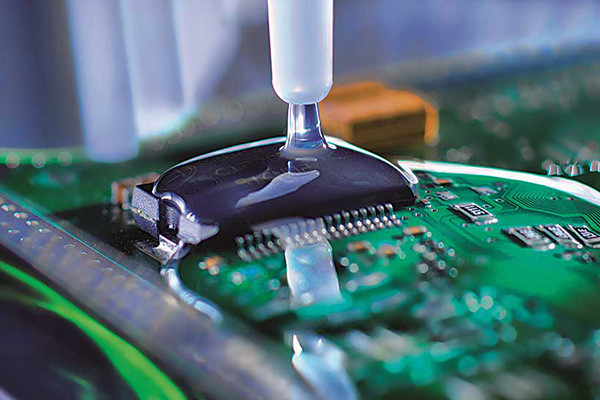
- Electronics (moisture protection in enclosures)
- Marine (sealing boat decks and hulls)
3M offers a wide range of adhesives sealants, including silicone, polyurethane, and MS polymer-based products. Each type provides a specific set of properties, including elasticity, chemical resistance, and bonding strength, suitable for different industries.
Choosing the Right 3M Adhesive
Selecting the correct 3M adhesive depends on multiple factors:
- Substrate materials: Different adhesives perform better on metal, plastic, wood, or composite materials.
- Application method: Sprays, tapes, liquids, and pastes each suit different production processes.
- Environmental exposure: Consider moisture, temperature, UV light, and chemical exposure.
- Cure time: Some projects require instant bonding; others benefit from slower-curing structural adhesives.
3M’s product range includes structural adhesives, pressure-sensitive tapes, spray adhesives, and more all designed with performance and longevity in mind. Their adhesives sealants further enhance reliability in mission-critical applications.
Final Thoughts
Adhesives are no longer just an alternative to fasteners, they are essential tools in modern design, manufacturing, and repair. Whether you need high strength structural bonding or flexible sealing in tough environments, the right adhesive can make all the difference. Understanding the differences between epoxy, acrylic, and polyurethane adhesives helps in selecting the perfect solution for your project.
3M adhesives, with their proven track record, innovative formulations, and broad selection, are among the most trusted options in the industry. Coupled with effective adhesives sealants. They offer a complete bonding and sealing solution that delivers strength, durability, and efficiency.
When performance, reliability, and long term results are your top priorities, investing in quality adhesives like those from 3M ensures your work holds up under pressure, literally.