
 Written By
  Reviewed By Aisha Lauren
Introduction
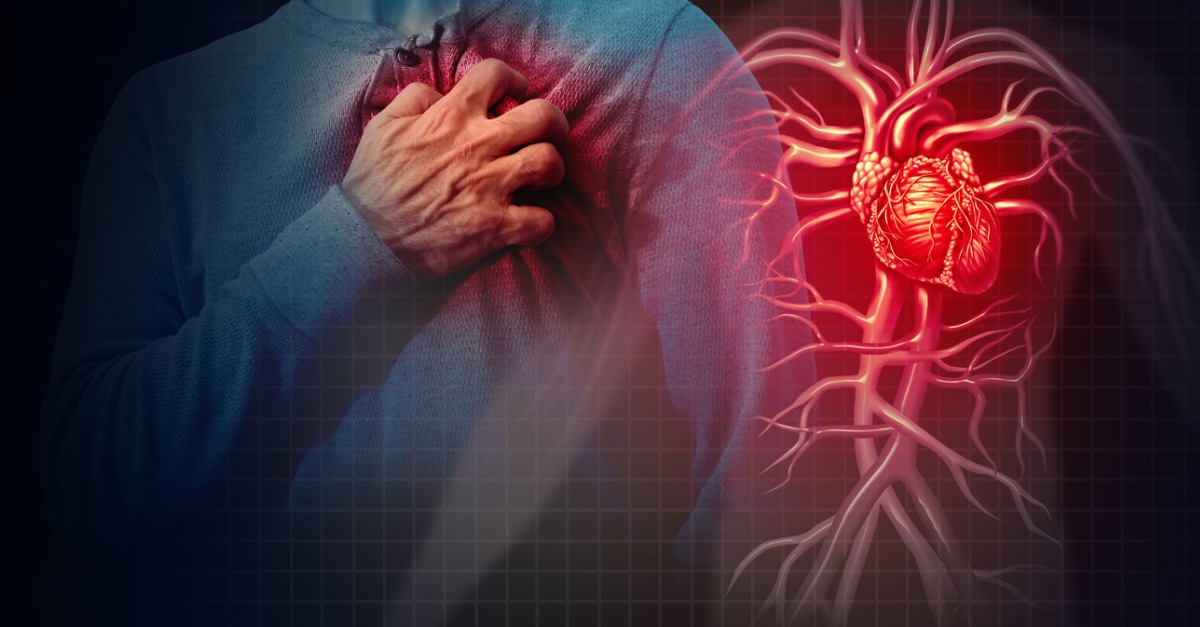
A heart attack can strike unexpectedly, and knowing the symptoms of a heart attack can save lives. Each year, millions of people worldwide face this emergency. Recognizing heart attack warning signs early and acting fast can mean the difference between life and death. In this guide, we’ll explore the top 10 symptoms of a heart attack, explain what they feel like, and offer simple advice on what to do if you or someone you know experiences these warning signs. Read on to learn how to spot trouble and get help right away.
Top 10 Symptoms of a Heart Attack You Need to Know
1. Chest Pain or Discomfort
- What it feels like: A heavy, squeezing, or pressing pain in the center of the chest. It may last more than a few minutes or come and go.
- Why it matters: Chest pain is the most common heart attack symptom. It happens when part of your heart muscle does not get enough blood.
- Tip: If you have chest pain lasting longer than five minutes, call emergency services right away.
2. Pain in Other Areas of the Upper Body
- What it feels like: Discomfort may spread from your chest to your shoulders, arms (often the left arm), back, neck, jaw, or stomach.
- Why it matters: A heart attack can cause pain in multiple areas, not just the chest.
- Tip: Do not ignore unusual aches in these areas, especially if they occur with chest pain or shortness of breath.
3. Shortness of Breath
- What it feels like: You may feel like you can’t catch your breath or you’re breathing faster than normal.
- Why it matters: When heart function drops, blood backs up into the lungs, causing trouble breathing.
- Tip: If you suddenly find it hard to breathe, even at rest, seek medical help immediately.
4. Cold Sweat
- What it feels like: Sudden, clammy perspiration that is not related to heat or exercise.
- Why it matters: Stress on the heart can trigger a sympathetic nervous system response, leading to cold sweats.
- Tip: If you break out in a cold sweat along with chest discomfort or dizziness, call for help.
5. Nausea or Vomiting
- What it feels like: A sick feeling in your stomach, with or without actual vomiting.
- Why it matters: Digestive symptoms can occur because the heart and the stomach share nerve pathways.
- Tip: While nausea alone may not indicate a heart attack, combined with other symptoms it is a red flag.
6. Lightheadedness or Dizziness
- What it feels like: A sense that you might faint or feel unsteady on your feet.
- Why it matters: A failing heart can lead to low blood pressure and reduced blood flow to the brain.
- Tip: Sit or lie down immediately if you feel dizzy, and seek medical attention if it does not pass quickly.
7. Unusual Fatigue
- What it feels like: Extreme tiredness that comes on suddenly and does not match your recent activity level.
- Why it matters: When your heart can’t pump enough blood, your muscles and organs feel starved of oxygen.
- Tip: Pay attention to fatigue that comes with other signs, such as chest discomfort or shortness of breath.
8. Anxiety or a Sense of Doom
- What it feels like: A sudden feeling of fear, anxiety, or a sense that something terrible is about to happen.
- Why it matters: The body’s response to a heart attack can trigger panic-like feelings.
- Tip: Don’t dismiss severe anxiety if it appears with physical symptoms like chest pain or sweating.
9. Swelling in the Legs, Ankles, or Feet
- What it feels like: Puffiness or fluid buildup, often noticeable in the lower limbs.
- Why it matters: A weak heart can cause blood to back up into the veins, leading to fluid leakage into tissues.
- Tip: Chronic swelling alone may point to other conditions, but sudden swelling with other symptoms needs prompt evaluation.
10. Irregular Heartbeat (Arrhythmia)
- What it feels like: Your heart may feel like it’s fluttering, pounding, or skipping beats.
- Why it matters: Damage to the heart muscle can disrupt its electrical signals, causing arrhythmias.
- Tip: If you notice a fast, slow, or irregular heartbeat along with other warning signs, seek emergency care.
When to Call for Help
If you or someone else shows one or more of these heart attack symptoms, act without delay. Call emergency services (for example, 911 in the U.S.) immediately. While waiting for help:
- Chew and swallow an aspirin (unless allergic) to help slow blood clotting.
- Rest in a comfortable position, staying calm.
- Loosen tight clothing to ease breathing.
Early treatment can limit heart damage and greatly improve survival.
Preventing Heart Attacks
While this guide focuses on spotting symptoms, prevention is equally vital. Simple lifestyle steps include:
- Healthy eating: Choose fruits, vegetables, lean proteins, and whole grains.
- Regular exercise: Aim for at least 150 minutes of moderate activity per week.
- No smoking: Avoid tobacco in all forms.
- Weight control: Maintain a healthy body weight.
- Stress management: Practice relaxation techniques like deep breathing or yoga.
By reducing risk factors, you lower the chance of experiencing a heart attack in the first place.
Conclusion
Recognizing the top 10 symptoms of a heart attack helps you act fast when every minute counts. Common signals include chest pain, pain in other areas, shortness of breath, cold sweats, and nausea. Less obvious signs—like lightheadedness, extreme fatigue, or a sense of doom—are equally important. If you notice any of these heart attack warning signs, call for emergency help immediately. Quick treatment can save your heart muscle and your life. Stay healthy by following prevention tips and keep these warning signs in mind—you never know when they might help you or someone you love.