 Written By
  Reviewed By Rowan Albert
Introduction
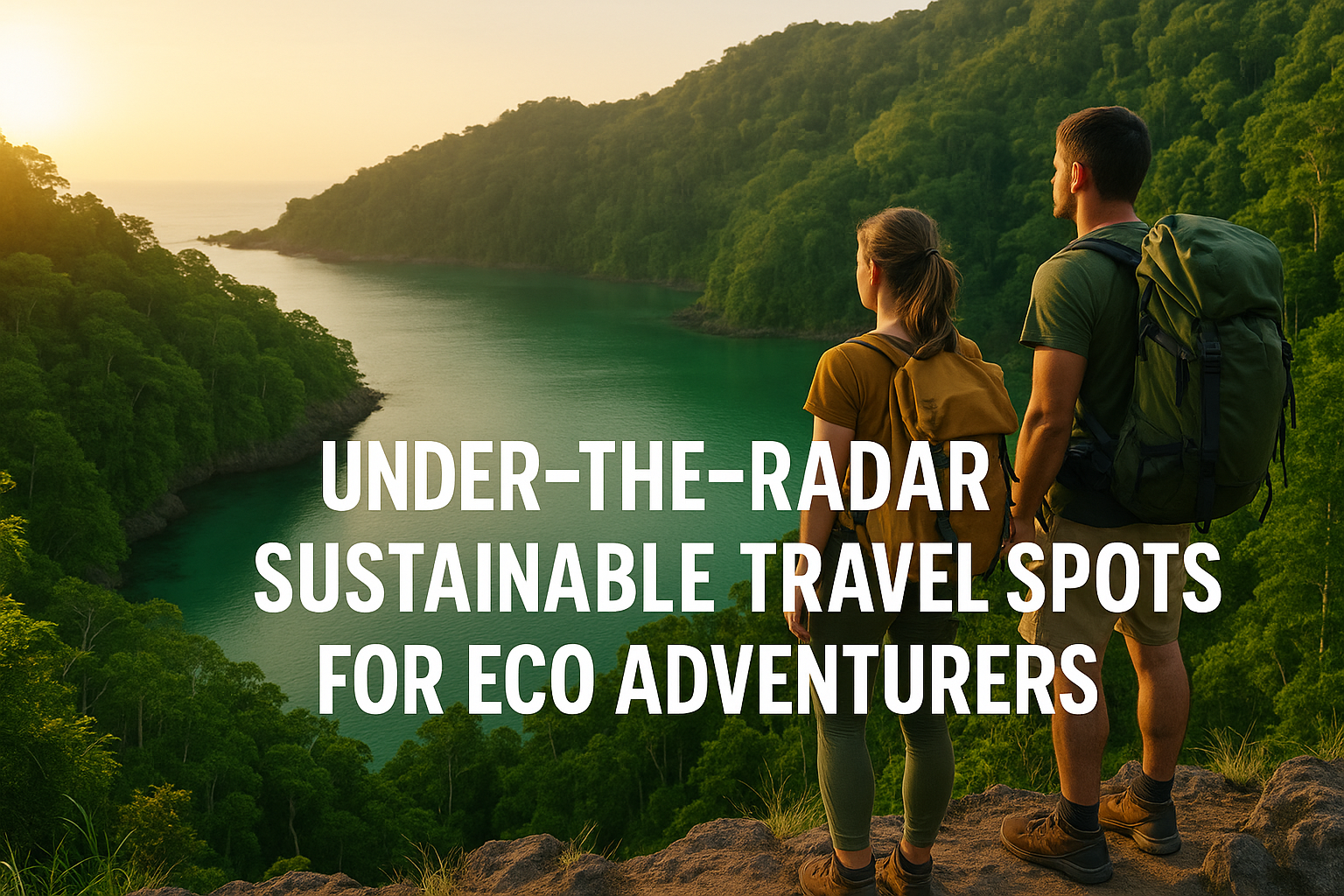
The world is full of wild beauty, yet many famous places now feel crowded. For explorers who crave raw nature and real culture, lesser-known corners hold the magic. Choosing under-the-radar destinations does more than offer quiet beaches and empty trails. It supports local people, eases strain on popular sites, and lowers your climate impact. This guide shows how eco adventurers can find sustainable tourism spots, travel lightly, and still feel the thrill of discovery.
The Rise of Sustainable, Low-Impact Exploration
A decade ago, “green travel” sounded niche. Today, responsible tourism is a must. Agencies rank hotels by energy use, while travelers check carbon data before booking. Why the shift? Climate reports, overtourism backlash, and pandemic-era mindset changes. The new goal: spend money where it matters, tread softly, and go beyond the Instagram checklist.
How to Travel Sustainably
Before we explore destinations, keep these guidelines in mind:
- Plan Longer Stays: Reducing transport frequency lowers carbon emissions.
- Pack Light and Smart: Bring reusable items like water bottles and bamboo utensils.
- Choose Eco-Friendly Lodging: Look for solar power, rainwater harvesting, and waste management.
- Support Local Experiences: Hire local guides and buy goods from artisans.
What Counts as an Under-the-Radar Eco Destination?

Think places that meet three simple rules:
- Fewer visitors than major hot spots, keeping the vibe authentic.
- Community-based tourism at the core—local guides, home-stay lodges, or co-ops.
- Active conservation programs protecting land, wildlife, or heritage.
Such destinations deliver big adventure while meeting strict sustainable travel spots criteria.
Seven Hidden Gems Every Eco Adventurer Should Know
| Destination | Region | Signature Eco Highlight | Best Season | Why It’s Special |
|---|---|---|---|---|
| Isle of Eigg, Scotland | Europe | Community-owned renewable grid (solar, wind, hydro) | May–September | Off-grid hikes, rare seabirds, Gaelic history |
| São Jorge, Azores | Atlantic | Organic coffee farms & volcanic calderas | April–October | Whale watching with strict codes, farm-to-table cheese |
| El Imposible NP Buffer Villages, El Salvador | Central America | Shade-grown cacao cooperatives | November–March | Cloud-forest trails, waterfall swimming holes |
| Sian Ka’an Biosphere Reserve Outskirts, Mexico | Caribbean | Mayan-run kayak tours through mangroves | December–April | Limited visitor cap, vital manatee habitat |
| Socotra Archipelago, Yemen (post-conflict safe window only) | Middle East | Dragon-blood tree restoration | October–April | Alien-like plant life, jebal trekking |
| Coromandel Peninsula Hinterland, New Zealand | Oceania | Predator-free bird sanctuaries | November–March | Glow-worm canyons, Maori cultural walks |
| Apostle Islands Ice Caves, USA | North America | Tribal-managed shoreline cleanups | Mid-winter freeze | World-class ice formations, zero-waste visitor rules |
Travel advisory: Always check current safety and conservation notices before booking.
Personalized Eco Experiences: Why Data Matters
Booking engines now track your style—kayaking vs. bird-watching, vegan vs. carnivore. AI-driven planners match you with stays that run on solar or turn food waste into bio-gas. This keeps every dollar aligned with low-impact travel values.
Forecasting Footprint: Smarter Packing, Smarter Plans
AI weather models predict storm trends months out, letting you avoid peak rescue seasons and protect fragile paths. Packing light cuts plane weight, yet you still need gear. Solution: rent locally—bikes, kayaks, even boots—strengthening jobs on site.
Community-Powered Conservation: Travel as a Two-Way Street
Pay fees that fund rangers. Join reef-clean dives. Spend nights in family-owned lodges instead of chains. Such acts inject cash into villages, making forests worth more standing than cut. Over time, community-based tourism flips the old extractive model.
Key Benefits for Eco Adventurers

Better Wildlife Encounters
Smaller groups mean shy species stick around, offering richer sightings without stress.
Stronger Cultural Exchange
Locals share stories, not scripts and travelers take cultural experiences. Travelers leave with friendships, not just selfies.
Creating Smarter Green Itineraries
Adapt On The Fly
Use real-time park capacity dashboards. Switch trails if your first choice hits the limit, keeping ecosystems balanced.
Track Your Impact
Apps group your emissions and suggest offsets connected to the region you visited—mangrove planting in Belize, solar lamps in Kenya.
Enhancing Adventure with Data-Driven Insights

Visitor heat-maps show when dive sites crowd. Pick dawn slots for clear water and reef health. In Patagonia, predictive analytics told guides to stagger hikers, cutting erosion by 18 % in one season. These wins prove that eco-friendly vacation tech is more than buzz—it’s measurable change.
AI-Powered Discovery on the Trail
Voice search in national-park apps lets you ask, “Where can I spot condors?” and get a gentle-impact lookout suggestion. Image-recognition tools ID rare orchids, feeding global science once you share the pic. Thus, your trek fuels research with no extra cost.
Balancing Gear and Nature: Inventory for the Wild
Just like shops manage stock, outfitters now track rental gear by RFID. Broken crampon? They log repairs to extend life, keeping metal out of landfills.
Tips for Traveling Light and Green
- Pack multi-use layers (merino or organic cotton) to cut suitcase weight.
- Choose reef-safe sunscreen; chemicals bleach coral fast.
- Carry a solar charger; many under-the-radar spots lack reliable grids.
Action Steps to Start Your Journey
- Audit Your Habits – List past trips, note flights vs. trains, hotels vs. homestays.
- Pick One Upgrade – Swap a short flight for rail or switch to a certified eco-lodge.
- Use the Right Tools – Try apps like EcoPassenger or Green-Trip Planner to track savings.
- Share the Story – Post not for likes but to guide friends toward responsible tourism.
Measure success by reduced CO₂, dollars spent locally, and memories made beyond the guidebook.
Scaling Sustainable Choices Across Every Adventure
After one green trip, keep the momentum. Reuse gear, revisit local partners, and lobby operators to drop single-use plastics. Collective demand nudges the market much like AI reshaped online shopping. When travelers act together, entire regions adopt cleaner standards.
The Road Ahead: Eco Travel Trends for 2025 and Beyond

- Biofuel regional airlines will cut domestic flight emissions by up to 40 %.
- Dynamic pricing will reward off-peak visits that spread impact.
- Blockchain tools will verify carbon offsets, ending green-washing.
- Indigenous-led tourism boards will set new norms, blending heritage with conservation.
Conclusion
Hidden corners of the planet still offer wild cliffs, bright reefs, and cultures untouched by mass tourism. Choosing sustainable travel spots keeps them that way. By planning with data, trusting local experts, and treating every river, trail, and village with care, eco adventurers turn vacations into forces for good. Start small—one under-known isle, one community homestay—and let each mindful step spark the next. The earth rewards travelers who walk lightly; in return, it reveals wonders few ever see.