 Written By
 Plantar fasciitis is one of the most common causes of heel pain, affecting millions of people worldwide. This condition arises when the plantar fascia—a thick band of connective tissue that runs across the bottom of your foot and connects the heel bone to the toes—becomes inflamed. While there are several treatment options available, one increasingly popular and effective method of managing plantar fasciitis is the use of a plantar fasciitis sleeve.
In this article, we will explore what a plantar fasciitis sleeve is, how it works, its benefits, and how to choose the right one. We’ll also touch on the role it plays in an overall treatment strategy and provide guidance on when to seek professional help.
What is a Plantar Fasciitis Sleeve?
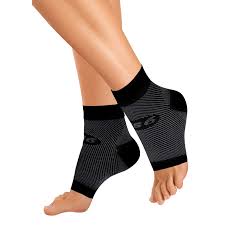
A plantar fasciitis sleeve is a type of compression garment designed to support the arch of the foot and reduce tension on the plantar fascia ligament. Typically made from elastic, breathable materials such as nylon, spandex, or a moisture-wicking fabric blend, the sleeve wraps snugly around the foot, offering gentle pressure to enhance circulation, reduce inflammation, and relieve pain.
Unlike bulky orthopedic devices or rigid braces, these sleeves are low-profile and can be worn inside most types of footwear. This makes them ideal for people who want to manage their condition without interrupting their daily routine or sacrificing comfort.
How Does a Plantar Fasciitis Sleeve Work?
The primary goal of a plantar fasciitis sleeve is to minimize strain on the plantar fascia. Here’s how it accomplishes that:
-
Compression Therapy: The sleeve applies uniform compression to the foot and ankle, which helps reduce swelling and improve blood flow. Increased circulation aids in the delivery of oxygen and nutrients to damaged tissue, accelerating the healing process.
-
Arch Support: Many sleeves provide light to moderate arch support, reducing the load on the plantar fascia. This alleviates pain and prevents further injury.
-
Stabilization: While not as rigid as braces, the snug fit of the sleeve provides mild stabilization to the foot. This can help maintain proper foot alignment and reduce excessive movement that contributes to irritation.
-
Pain Reduction: The gentle pressure and structural support from the sleeve can help ease pain during movement and even at rest. Many users report noticeable relief within days of regular use.
Benefits of Using a Plantar Fasciitis Sleeve
There are several compelling reasons to consider incorporating a plantar fasciitis sleeve into your treatment regimen:
-
Non-invasive: Unlike injections or surgery, a sleeve provides relief without the risks associated with invasive procedures.
-
Affordable: Most sleeves are reasonably priced and can be used repeatedly.
-
Discreet and Comfortable: Their thin design allows users to wear them all day, even under socks and shoes.
-
Suitable for Active Lifestyles: Runners, athletes, and people who spend long hours on their feet can benefit from the added support without losing mobility.
-
Can Be Worn Overnight: Some designs are suitable for overnight wear, helping to stretch the fascia and reduce morning heel pain.
Choosing the Right Plantar Fasciitis Sleeve
Not all compression sleeves are created equal. When choosing one, consider the following factors:
-
Compression Level: Light compression may be suitable for mild cases, while more severe pain might require moderate to high compression.
-
Material: Look for breathable, moisture-wicking fabrics to ensure comfort during long hours of wear.
-
Fit and Size: A proper fit is essential. Sleeves that are too tight may restrict blood flow, while loose ones will not provide adequate support.
-
Design Features: Some models include added arch supports or gel pads for enhanced cushioning.
-
Durability: Frequent washing and wearing can wear out lower-quality sleeves quickly, so it’s worth investing in a reliable brand.
Integrating the Sleeve into a Holistic Treatment Plan
While a plantar fasciitis sleeve can provide significant relief, it should ideally be used in combination with other treatments. Here are a few additional steps you can take to maximize recovery:
-
Stretching and Strengthening Exercises: Targeted exercises for the foot and calf muscles help alleviate tension on the plantar fascia.
-
Orthotic Insoles: Custom or over-the-counter insoles can complement the support offered by the sleeve.
-
Rest and Ice: Reducing physical activity and applying ice can help reduce inflammation, especially during flare-ups.
-
Anti-inflammatory Medications: Over-the-counter NSAIDs like ibuprofen may be used for short-term pain management.
-
Proper Footwear: Supportive shoes with cushioning and arch support can make a big difference in reducing daily stress on the plantar fascia.
When to See a Doctor
While many people find relief using a plantar fasciitis sleeve, it’s essential to consult a medical professional if:
-
The pain persists for more than a few weeks.
-
Symptoms worsen despite conservative treatment.
-
There is swelling, bruising, or signs of infection.
-
You have a history of diabetes or other circulatory conditions that affect foot health.
Doctors may recommend physical therapy, custom orthotics, corticosteroid injections, or in rare cases, surgery. Clinics such as drkelkarhospital.com offer specialized care for foot and ankle conditions, including plantar fasciitis, using both conservative and advanced treatment approaches.
Final Thoughts
A plantar fasciitis sleeve is a simple yet powerful tool in the management of heel pain. Offering compression, support, and comfort, it can significantly reduce symptoms and aid in recovery when used correctly. Whether you’re an athlete, a retail worker, or just someone who enjoys long walks, a plantar fasciitis sleeve can help you stay on your feet and pain-free.
For best results, integrate the sleeve into a comprehensive treatment plan that includes exercise, proper footwear, and physical therapy. With the right approach, plantar fasciitis doesn’t have to keep you from living your life to the fullest.