
 Written By
  Reviewed By Tallulah Jane
Introduction
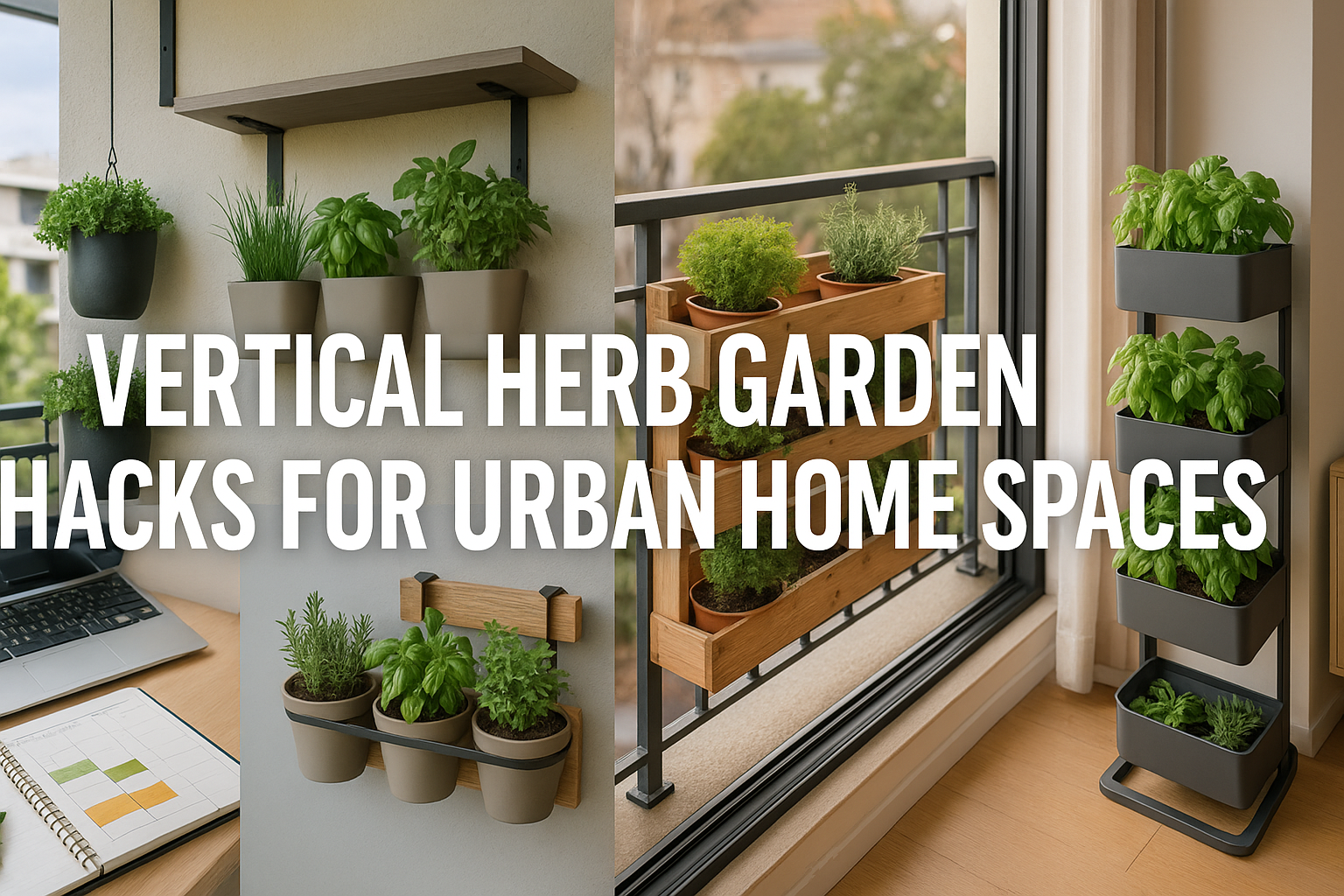
City kitchens beg for fresh herbs, yet apartment windowsills rarely fit more than a lone basil plant. The solution is simple but game-changing: turn your blank walls, balcony rails, and even cabinet ends into living shelves of fragrance and flavor. A vertical herb garden uses gravity-defying tricks—stacked pots, hanging pockets, repurposed shoe racks—to grow upward instead of outward. With the right hacks, you can harvest handfuls of mint, parsley, and thyme while still having room for coffee mugs and laptops. This guide shares practical, low-cost methods designed especially for renters and tiny-home dwellers. Expect plain-language steps, smart watering shortcuts, and sunlight fixes that keep leaves lush even under city smog. By the last paragraph you will have a plan to transform unused nooks into green spice cabinets and enjoy pesto, mojitos, or pho toppings whenever hunger hits.
Why Vertical Gardens Beat Windowsill Pots
Most culinary herbs need six hours of light, steady airflow, and well-drained soil. Single pots on a sill struggle because:
- Light hits one side only, causing leggy stems.
- Water spills onto furniture during drainage.
- Space caps at three or four plants.
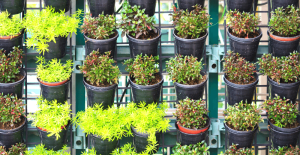
Vertical systems lift plants into multi-level rows, giving each leaf its own light slice, letting excess water drip safely, and tripling plant count per square foot. A 2024 study from the Urban Agriculture Journal showed that stacking herbs in pocket panels boosted overall yield by 42 % compared with single pots in the same window area.
Core Design Choices Explained
Wall-Mounted Pocket Panels
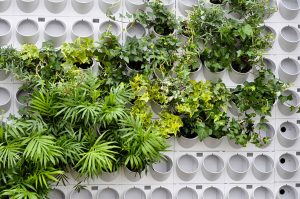
Fabric or recycled-plastic pockets attach directly to drywall or balcony walls. Roots spread shallow, making pockets perfect for fast growers like basil and cilantro. The fabric breathes, reducing root rot, and looks like a living painting once full.
Tiered Shelf Towers
Wood or metal racks hold trays in slim layers. Add grow-light strips under each shelf to mimic sunny mornings, turning even north-facing rooms into herb hubs. Towers work well for heavier pots of rosemary or sage whose deeper roots need sturdy support.
Hanging Ladder Systems
A wooden ladder leans against a wall with clay pots hooked onto rungs. The angle lets sunlight bathe every tier while keeping floor footprint near zero. Great for renters—simply remove hooks when moving out.
Railing Cradle Trays
Balcony rails accept clip-on or strap-on cradles. Herbs bask in unfiltered daylight, and gentle winds toughen stems for richer flavor. Choose drip trays to protect downstairs neighbors.
Table: Matching Herbs to Vertical Hacks
| Herb | Root Depth | Best Structure | Light Need | Water Habit |
|---|---|---|---|---|
| Basil | Shallow | Pocket panel | 6 hrs sun | Keep moist |
| Rosemary | Deep woody | Shelf tower | Full sun | Dry between |
| Mint | Medium runner | Hanging ladder | Part sun | Moist |
| Parsley | Shallow | Pocket panel | Part sun | Even |
| Thyme | Medium | Railing cradle | Full sun | Dry between |
| Cilantro | Medium tap | Shelf tower | Cool sun | Moist |
Step-by-Step Build: Fabric Pocket Wall
- Choose location with at least five hours of natural or grow-light exposure.
- Install anchors based on wall type—toggle bolts for drywall, masonry screws for brick.
- Attach panel starting from top corners to spread weight.
- Fill pockets two-thirds with lightweight potting mix, not garden dirt.
- Tuck seedlings or sprinkle seeds; water gently until runoff seeps out the bottom.
- Label edges with masking tape and marker to avoid seasoning mix-ups later.
Pocket panels cost about $20 and hold 12–24 plants—cheaper than buying bunches at the store every week.
Light Hacks When Sun Is Scarce
City blocks cast long shadows. If your window faces an alley, mount LED grow-light bars beneath each shelf. Look for full-spectrum (400–700 nm) strips using 20 watts per 2-foot section. Set smart plugs to run 12 hours daily, syncing to sunrise in a phone app. Keep bulbs 6–8 inches from leaf tips to avoid scorching yet supply enough photons for photosynthesis.
Watering Without Flooding
Vertical gardens risk top-heavy dryness and bottom-row sogginess. Use these tricks:
- Capillary matting: Place absorbent felt under trays; top pockets wick water upward.
- Self-watering spikes: Invert a wine bottle with a clay spike into each pot. Soil draws moisture slowly.
- Drip chain: Thread cotton cords from an upper reservoir through each level. Gravity feeds consistent drips.
Always let upper rows drain fully before re-watering to stop root rot. Stick a finger 1 inch deep; if soil feels dry, water. Otherwise wait a day.
Soil and Fertilizer Simplified
Buy organic potting mix labeled for vegetables—lighter than yard soil, sterilized to deter pests. Mix in 20 % perlite or rice hulls for extra drainage. Fertilize monthly with half-strength liquid seaweed; herbs grown for leaves need nitrogen but not heavy doses. Flush pots with plain water every third watering to prevent salt buildup.
Pest Control Naturally
Indoor herbs lure fungus gnats and aphids. Combat them using:
- Sticky yellow cards hung behind leaves; gnats stick within days.
- Neem-oil spray (1 tsp oil + ½ tsp soap in 1 quart water) misted weekly halts aphid colonies.
- Beneficial nematodes watered into soil control larvae.
Avoid chemical insecticides—they risk pet and kitchen safety.
Seasonal Transition Tips
- Winter: Reduce watering by 30 %, raise light hours to 14 since days shorten.
- Spring: Trim herbs heavily to prevent flowering; transplant root-bound rosemary into deeper pots.
- Summer: Shade fabric pockets during midday if windows get intense heat; basil bolts under 32 °C.
- Fall: Harvest and air-dry surplus; clean pocket fabric with mild soap before replanting cool-weather cilantro.
Quick Recipe Ideas Using Fresh Harvest
5-Minute Mint Chutney
Blend 1 cup mint leaves, ¼ cup yogurt, 1 clove garlic, salt, and lime juice. Serve with grilled veggies.
Balcony Pesto
Pulse 2 cups basil, ¼ cup walnuts, 2 tbsp olive oil, and pinch Parmesan. Freeze in ice-cube trays for winter pasta bursts.
DIY Herb Salt
Dry parsley and thyme, crush, and mix with coarse sea salt at a 1:3 ratio. Sprinkle on roasted potatoes.
These small dishes flavor meals and motivate consistent pruning, which encourages bushier growth.
Automation for Busy Urbanites
Pair soil-moisture sensors (e.g., Xiaomi, $10) with Wi-Fi valves to create self-regulating drip lines. Use calendar apps to log fertilizing dates. Even a two-week vacation won’t doom your vertical oasis.
Common Mistakes and Easy Fixes
- Leggy stems → Increase light hours or move shelf closer to window.
- Yellow leaves → Over-watering; let soil dry and cut back.
- Powdery mildew → Crowding; remove lower leaves and improve airflow with a small USB fan.
- Slow growth → Nutrient depletion; apply fish-emulsion tea.
Conclusion
Vertical herb gardens prove you don’t need sprawling yards to savor farm-fresh flavor. By stacking fabric pockets, ladder racks, or shelf towers, urban dwellers reclaim walls and rails as edible art. Add full-spectrum LEDs where sun falls short, water smart with drip chains, and feed lightly for leafy vigor. Soon you’ll snip basil for pasta, mint for tea, and parsley for garnish—all steps from your stove. Begin with one pocket panel this weekend, watch green shoots appear within days, and let the aroma inspire larger living walls as your confidence grows.
Call to Action: Download our free printable pocket-panel planner and share your first harvest on social media using #VerticalHerbHack to join our monthly seed-giveaway draw.