

 Written By
 Exercise challenges your muscles, heart, and energy levels. However, your workout does not end when you leave the gym or finish your run. Your body needs time to recover and adapt after physical activity. Good recovery can help you return to exercise with more energy and reduce the risk of pushing yourself too hard.
Many people focus heavily on workouts while overlooking rest. They may believe that training harder always produces better results. In reality, your body needs a balance between activity and recovery. Therefore, create habits that support rest, nutrition, hydration, sleep, and gradual progress by workout recovery.
Give Your Body Enough Rest
Rest gives your body time to recover from physical stress. When you exercise, your muscles work harder than they normally do. They need time to repair and adapt before you challenge them again.
Avoid training the same muscle groups intensely every day. Instead, alternate demanding workouts with easier activities or rest days. For example, you might focus on strength training one day and take a gentle walk the next.
Rest does not mean you need to remain completely inactive. Light movement can help you stay comfortable while giving your body a break from intense exercise. Listen to your energy levels and adjust your routine when necessary.
Prioritize Quality Sleep
Sleep plays a major role in physical recovery. Your body uses nighttime rest to support many processes that help you feel ready for the next day. Poor sleep can also affect your energy, focus, mood, and exercise performance.
Try to maintain a consistent sleep schedule. Go to bed and wake up around similar times each day. Create a relaxing routine before bed and reduce stimulating activities when you want to wind down.
Your bedroom environment also matters. Keep the room comfortable, quiet, and dark when possible. If you regularly struggle with sleep, consider speaking with a qualified health professional for personalized guidance.
Stay Hydrated
Your body loses fluid through sweat during exercise. The amount you lose can vary depending on the workout, temperature, humidity, and individual factors. Therefore, drink fluids regularly throughout the day and pay attention to your thirst.
Keep water nearby during your workout. Drink more when you exercise for longer periods or train in hot conditions. After exercise, continue drinking fluids to support normal hydration.
You do not always need a specialized sports drink. Water can work well for many everyday workouts. For longer or particularly intense sessions, electrolyte-containing drinks may have a role depending on your individual needs.
Eat Nutritious Foods
Your body needs energy and nutrients to support exercise and recovery. Therefore, pay attention to what you eat before and after training. Include protein-rich foods such as eggs, yogurt, beans, lentils, fish, poultry, or other options that fit your diet. Protein provides amino acids that your body uses to support muscle maintenance and repair.
Carbohydrates can also help replenish energy stores. Choose foods such as oats, potatoes, whole grains, rice, fruits, and other carbohydrate sources that work well for you. Add vegetables and healthy fats to create balanced meals. You do not need an expensive recovery diet. Regular, nutritious meals can provide many of the nutrients your body needs after workout recovery.
Use Active Recovery
Active recovery involves gentle movement after demanding workouts. Instead of immediately returning to another intense session, choose an easier activity that allows you to stay mobile.
Walking, gentle cycling, light swimming, and easy stretching can work well for many people. Keep the intensity low enough that you do not feel like you are completing another hard workout.
Active recovery can also make rest days feel more enjoyable. However, do not use it as an excuse to train intensely every day. Your body still needs genuine rest when fatigue builds.
Stretch and Improve Mobility
Gentle stretching can help you maintain comfortable movement. Mobility exercises can also help you move your joints through controlled ranges of motion.
Spend a few minutes stretching after your body has warmed up. Focus on areas that feel tight but avoid forcing your body into painful positions.
You can also add simple mobility exercises to your routine. Controlled movements for your hips, shoulders, ankles, and spine can help you prepare for physical activity and maintain movement quality.
Increase Training Gradually
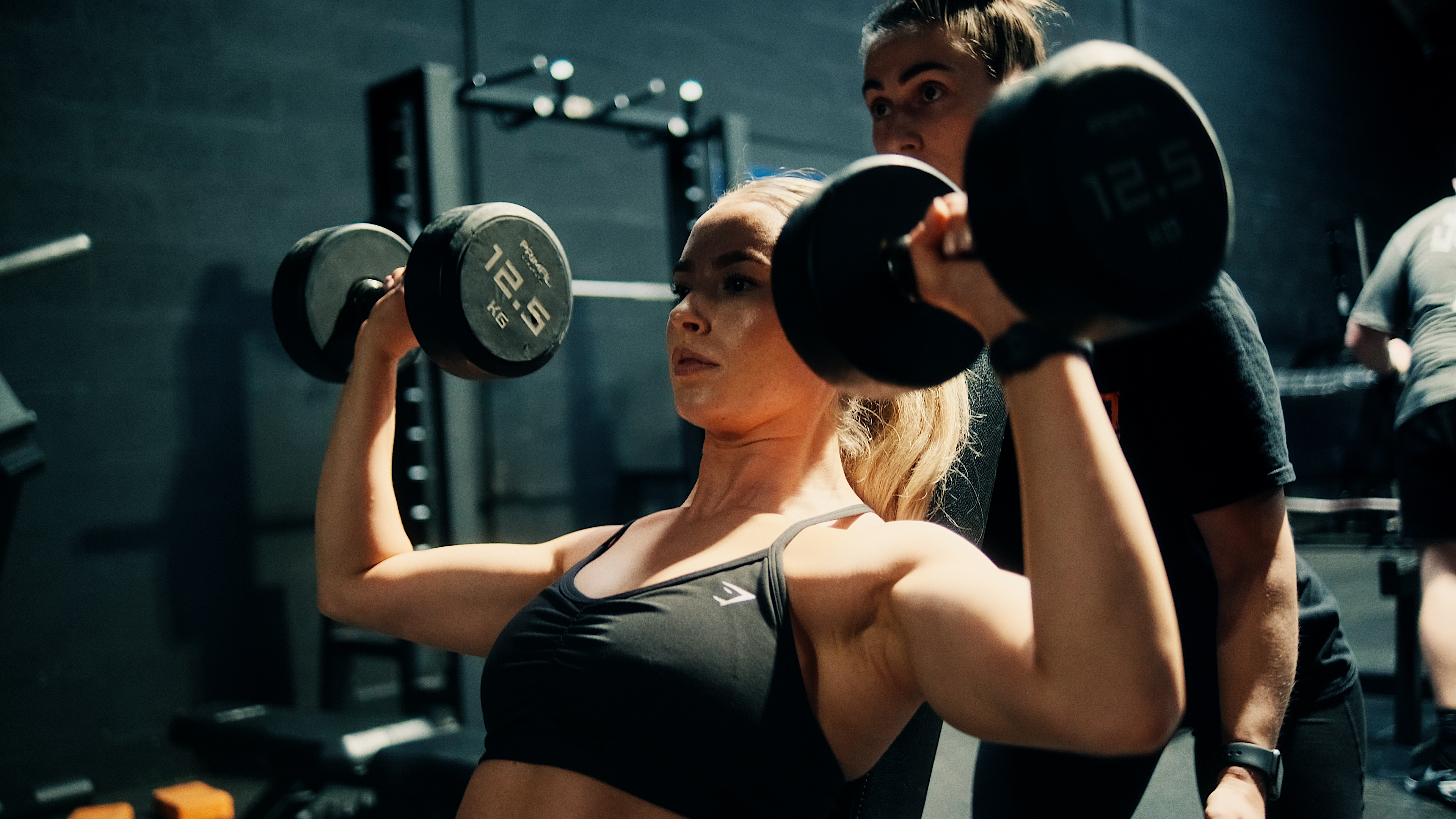
Doing too much too quickly can make recovery harder. Beginners and experienced athletes can both benefit from gradual progression. When you increase workout duration, weight, distance, or intensity, make changes carefully. Give your body enough time to adapt before adding another challenge.
For example, if you normally walk for 20 minutes, you do not need to suddenly walk for an hour. Add a few minutes over time and see how your body responds. Gradual progression can help you build fitness without constantly overwhelming your body.
Pay Attention to Warning Signs
Your body can provide useful information about how well you are recovering. Persistent soreness, unusual fatigue, declining performance, poor sleep, and a lack of motivation may indicate that you need more rest.
Do not ignore severe or persistent pain. Normal post-workout muscle soreness should not prevent you from performing everyday activities. If you experience significant pain, swelling, dizziness, chest discomfort, or another concerning symptom, stop exercising and seek appropriate medical advice. Listening to your body does not mean avoiding every challenge. It means knowing when to push forward and when to step back.
Manage Stress Outside Your Workouts
Recovery involves more than physical rest. Mental stress can also affect how you feel and perform. Work pressure, relationship problems, financial concerns, and poor sleep can all add to your overall load.
Make time for activities that help you relax. Read, spend time with friends, listen to music, take a walk, practice breathing exercises, or enjoy a hobby.
Furthermore, avoid filling every part of your schedule with demanding activities. Giving yourself quiet time can help you feel more refreshed and prepared for your next workout.
Create a Sustainable Recovery Routine
Workout becomes easier when you make it part of your normal lifestyle. Do not wait until you feel exhausted before thinking about rest. Plan recovery into your weekly schedule from the beginning.
Balance demanding workouts with easier sessions. Eat nutritious meals, drink enough fluids, and protect your sleep. Also, adjust your training when your body needs extra time to recover. Keep your approach flexible. Your recovery needs may change depending on your workload, sleep, stress, training intensity, and other factors.
Make Workout Recovery a Priority
Workout supports the progress you work toward during training. Your body needs time, energy, nutrients, and rest to adapt to exercise. Therefore, treat recovery as an important part of your fitness routine rather than an optional extra.
Start with simple habits. Sleep well, stay hydrated, eat balanced meals, include rest days, and increase training gradually. Pay attention to how you feel and adjust your routine when necessary.
You do not need complicated recovery techniques to support your progress. Consistent basics can make a meaningful difference. When you balance challenging workouts with thoughtful recovery, you can build a fitness routine that feels stronger, safer, and easier to maintain over the long term.
Final Thoughts
Workout recovery plays an important role in a successful fitness routine. Your body needs enough rest, quality sleep, proper hydration, and nutritious food after exercise. These simple habits can help you feel stronger and more prepared for your next workout.
Remember that recovery does not look the same for everyone. Your training level, workout intensity, sleep, stress, and daily routine can affect how quickly you recover. Therefore, pay attention to your body’s signals and adjust your routine when needed. Give yourself time to rest when you feel unusually tired or sore.
Most importantly, do not treat rest as a setback. Recovery gives your body time to adapt and prepare for future challenges. By balancing exercise with smart recovery habits, you can build a sustainable fitness routine and continue working toward your goals with greater confidence.


