

 Written By
 The modern automotive world changes at a very fast pace today. High-performance engineering introduces incredible power and efficiency to our daily drives. Among these premium brands, BMW remains a top choice for driving enthusiasts worldwide. However, these advanced machines require careful attention to protect their complex mechanical systems. Specifically, managing internal heat remains a primary challenge for any luxury sports sedan. When temperatures spike inside the engine block, drivers often panic. Many car owners immediately assume that the engine possesses a fundamental design flaw.
Fortunately, this common assumption does not reflect modern automotive realities. In most cases, a BMW engine overheating stems from a failure within the external cooling network. The underlying engine block itself rarely causes the initial thermal overload. Instead, small auxiliary components fail over time due to normal wear and tear.
Every internal combustion engine creates an immense amount of heat during operation. Your BMW cooling system manages this thermal energy to protect the vehicle. It maintains a very precise operating zone, usually between 90°C and 105°C. This exact range changes slightly depending on your specific model and your engine family. When temperatures climb past these safe boundaries, your motor oil rapidly loses its protective thickness. Consequently, the metal components inside your engine expand past their original structural limits. This sudden expansion leaves critical internal parts highly vulnerable to catastrophic friction damage. Understanding these thermal systems allows you to mitigate expensive mechanical risks proactively.
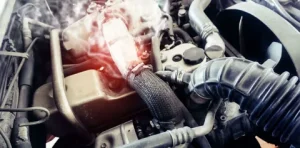
The Primary Culprits Behind Thermal Failures
Modern BMW cooling systems do not rely on simple mechanical parts anymore. Instead, they utilize an interconnected network of electronic sensors and high-pressure lines. A breakdown in any single component will quickly disrupt the entire thermal balance.
First, the electric water pump represents a frequent source of trouble for older vehicles. Modern BMW designs use electronic pumps rather than traditional belt-driven units. These computer-controlled pumps can fail suddenly without any audible warning. When the pump stops working, it halts coolant circulation instantly.
Second, a stuck thermostat can destroy your engine in a matter of minutes. The thermostat regulates the precise flow of fluid between the hot engine block and the cooling radiator. When this component sticks in the closed position, it traps intense heat inside the cylinders. It blocks the path to the radiator completely.
Third, high-pressure plastic cooling hoses and expansion tanks degrade over time. Constant heating and cooling cycles make these plastic fittings extremely brittle. Even a minor hairline crack will lower your overall fluid volume over time. This leak reduces the system’s ability to shed heat efficiently.
Fourth, road debris can puncture the delicate aluminum fins of your front radiator. Alternatively, internal mineral scale buildup can restrict the path of the fluid. This restriction prevents proper heat exchange with the outside air.
Finally, the auxiliary electric cooling fan can malfunction when you sit in heavy traffic. This fan must pull outside air through the radiator when the vehicle stops moving. A blown electrical fuse or a dead fan motor will cause a rapid temperature spike at idle.
Tracking Internal Thermal Data Streams
To diagnose issues accurately, you must understand how a modern BMW manages its temperature. The electronic control unit monitors live temperature data from multiple sensors across the engine. It adjusts the speed of the electric water pump in real time. It also alters the opening angle of the thermostat based on your specific driving style.
During aggressive acceleration, the vehicle’s computer proactively lowers the target operating temperature. This quick adjustment provides a valuable safety margin for the engine components. Conversely, during steady highway cruising, the system allows temperatures to rise slightly. This higher temperature maximizes your fuel efficiency and reduces tailpipe emissions.
Because engineers optimized these systems for peak efficiency, they are exceptionally unforgiving. If you ignore a low fluid warning light, the intense pressure will cause major damage. It can easily warp the aluminum cylinder head or crack the delicate head gasket. This failure allows engine coolant to mix with your clean motor oil. This mixture causes severe internal friction and can require a complete engine replacement.
Implementing a Smart Preventative Strategy
Shifting from a reactive repair mindset to a predictive maintenance strategy is essential for your vehicle. You can avoid expensive emergency towing fees by replacing vulnerable plastic parts before they break.
-
Replace Components Before They Fail: Do not wait for your electric water pump or thermostat to stop working on the highway. Experienced BMW technicians recommend replacing these units together every 100,000 kilometers.
-
Flush Your System and Check Connections: Refresh your engine coolant using the correct factory fluid mixture every three years. Check the plastic expansion tank regularly for white crusty residue, which indicates a slow leak.
-
Obey Your Dashboard Warning Systems: Modern BMW instruments provide two distinct stages of thermal alerts. A yellow warning means your engine is getting too hot. A red warning means you must pull over safely and shut off the ignition immediately.
Preserving Your Ultimate Driving Machine
Securing high performance brings immense driving pleasure, but maintaining it requires constant vigilance. Utilizing cutting-edge engine designs provides incredible daily efficiency. However, keeping that technology safe depends entirely on an uncompromised cooling loop. Pair your driving habits with regular visual inspections under the hood. Use high-quality factory fluids to protect your internal seals. Timely water pump replacements ensure your temporary temperature spikes do not become permanent mechanical failures. Protect your luxury automotive investment today. You will secure your internal components and enjoy true German engineering excellence for many years to come.


