

 Written By
 A car needs regular care to stay safe, reliable, and efficient. Many drivers only visit a mechanic when something goes wrong. However, simple maintenance can prevent many expensive repairs. It can also help your vehicle perform better for longer. Car maintenance does not always require advanced mechanical knowledge. You can handle many basic checks at home.
You only need to understand what your car needs and follow a consistent routine. Regular inspections can help you notice small problems before they become serious. For example, a low tire can reduce fuel efficiency and increase wear. A weak battery can also leave you stranded at an inconvenient time. With a few practical habits, you can protect your vehicle and avoid unnecessary expenses.
Check Your Engine Oil Regularly
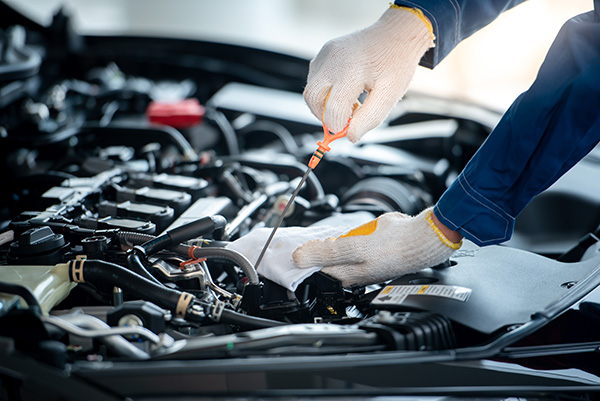
Engine oil keeps the moving parts inside your engine lubricated. It reduces friction and helps control heat. Without enough clean oil, the engine can suffer serious damage. Check your oil level according to your vehicle manufacturer’s recommendations. Park the car on level ground and allow the engine to cool when appropriate.
Then use the dipstick to check the level. If the oil looks unusually dark, smells burnt, or contains visible particles, consider asking a qualified mechanic to inspect it. Also, never ignore an oil warning light. It can indicate a serious problem that requires immediate attention.
Keep Your Tires in Good Condition
Tires affect safety, handling, braking, and fuel economy. Therefore, drivers should check them regularly. Use the recommended tire pressure listed in your owner’s manual or on the vehicle information label. Do not rely only on how the tires look on Car Maintenance.
A tire can lose pressure without appearing flat. Also, inspect the tread for uneven wear, cracks, or objects stuck in the rubber. Rotate the tires according to the manufacturer’s schedule. Proper tire care can improve handling and help the tires last longer.
Pay Attention to the Brakes
Your braking system plays a vital role in road safety. Strange sounds or changes in braking performance can signal a problem. Listen for squealing, grinding, or unusual noises when you apply the brakes. Also, notice whether the brake pedal feels soft or requires more pressure than usual.
If the car pulls to one side during braking, have the system checked. Do not delay brake repairs simply because the vehicle still stops. Small problems can become larger and more expensive over time.
Replace Air Filters When Needed
Air filters help keep dirt and debris away from the engine. A clogged filter can restrict airflow and affect engine performance. Check the replacement schedule in your owner’s manual.
Driving conditions can also affect how often you need a new filter. Dusty roads and heavy traffic may require more frequent checks. A clean filter supports efficient engine operation. It can also help maintain consistent performance during everyday driving.
Monitor Your Battery
A healthy battery helps your car start reliably. Extreme temperatures can place additional stress on the battery. Look for corrosion around the battery terminals. Also, pay attention to slow engine cranking or dim interior and exterior lights.
These signs may indicate that the battery needs attention. Most batteries have a limited-service life. If your battery approaches the end of its expected lifespan, consider testing it before it fails unexpectedly. This simple step can prevent an inconvenient breakdown.
Check Your Coolant Level
Coolant helps regulate engine temperature. Low coolant can cause overheating and potentially damage important engine components. Check the coolant level only when the engine has cooled down. Never open a hot coolant reservoir or radiator cap because pressurized coolant can cause serious burns.
Use the coolant recommended for your vehicle. Different systems may require different formulations. If you notice repeated coolant loss, ask a mechanic to find the cause instead of simply adding more coolant.
Replace Windshield Wipers
Clear visibility matters in every season. Worn wiper blades can leave streaks or fail to remove water properly. Inspect your blades regularly. Replace them when they become cracked, hardened, or ineffective. You should also keep the windshield clean because dirt can reduce visibility and damage the blades. Good wipers cost relatively little compared with many other vehicle components. Therefore, replacing them when necessary, makes practical sense by car maintenance.
Follow the Maintenance Schedule
Your owner’s manual contains important information about your vehicle’s maintenance needs. It may include recommended intervals for oil changes, fluid checks, filter replacements, tire rotations, and other services.
Following this schedule can help you avoid missed car maintenance. It also gives mechanics a clear guide when they inspect your vehicle. Keep records of completed services. A simple maintenance history can help you track upcoming work. It can also add value if you decide to sell the car later.
Keep Fluids at Proper Levels
Your car depends on several fluids to operate correctly. These may include engine oil, coolant, brake fluid, transmission fluid, and windshield washer fluid. Check the appropriate levels according to your owner’s manual. Never add an unknown fluid simply because the reservoir looks empty. Using the wrong product can cause damage.
Also, watch for leaks under the vehicle. A small puddle can provide an early warning about a developing problem. The color and location of the fluid may help a mechanic identify the source.
Watch for Warning Signs
Modern vehicles use dashboard warning lights to alert drivers about potential problems. Never ignore them. A check-engine light can indicate many different issues. A battery warning may point to a charging-system problem. An oil-pressure warning can signal a serious engine concern. Your vehicle may also produce unusual smells, sounds, or vibrations.
These symptoms deserve attention, especially when they appear suddenly. Early diagnosis often costs less than repairing damage caused by continued driving. Therefore, learn what your dashboard symbols mean and respond when something looks unusual.
Drive Carefully
Your driving habits can influence how quickly your vehicle wears out. Aggressive acceleration, sudden braking, and frequent high-speed driving can place additional stress on various components. Smooth driving can reduce unnecessary strain. It can also improve fuel efficiency.
Avoid carrying unnecessary weight in the vehicle. Remove heavy items from the trunk when you do not need them. Also, avoid leaving your car running for long periods without a reason. Good driving habits work alongside regular maintenance. Together, they can help extend the useful life of your vehicle.
Keep Your Car Clean
Cleaning your vehicle involves more than appearance. Dirt, salt, moisture, and road debris can contribute to corrosion. Wash your car regularly, especially after driving on roads treated with salt. Pay attention to the underside and wheel areas because these locations can collect debris. Keep the interior clean as well. Remove unnecessary items and clean spills quickly. A clean cabin can protect materials and make the vehicle more comfortable.
Final Thoughts
Good car care starts with consistency. You do not need to wait for a major problem before checking your vehicle. Small inspections can reveal issues early and help you avoid unexpected repair bills. Use these tips as part of a regular maintenance routine. Check fluids, inspect tires, monitor the battery, listen for unusual sounds, and follow the manufacturer’s service schedule.
Most importantly, take warning signs seriously. When you notice something unusual, contact a qualified mechanic instead of guessing. With proper care and responsible driving, your vehicle can remain safer, more dependable, and more efficient for years to come. These simple tips can also help you get more value from your car and reduce avoidable car maintenance costs.


