

 Written By
 Modern power systems rely on efficient and reliable substations to transmit and distribute electricity safely. While electrical equipment like transformers, circuit breakers, and switchgear often receive the most attention, the civil engineering side plays an equally critical role. Proper electrical substation design requires strong collaboration between electrical and civil engineers to ensure safety, durability, and operational efficiency.
Civil engineering provides the physical foundation that supports electrical infrastructure. From site preparation to structural stability, drainage planning, and equipment layout, civil design determines how effectively a substation operates over decades. In today’s rapidly expanding power networks, professional substation engineering design ensures that substations remain resilient, scalable, and compliant with industry standards.
Below, we explore how civil engineering contributes to reliable and efficient substation design & engineering.
Civil Engineering in Electrical Substations
Civil engineering forms the backbone of every substation project. Before electrical equipment is installed, engineers must design and prepare the site to handle structural loads, environmental conditions, and operational requirements.
A well-planned electrical substation design considers factors such as soil conditions, seismic activity, and environmental exposure. Civil engineers analyze these elements to determine appropriate foundation types, structural supports, and ground stability measures.
For example, transformers can weigh several tons, requiring reinforced concrete foundations capable of handling heavy loads while preventing settlement or structural damage. Without proper civil design, even the most advanced electrical equipment cannot function safely.
Additionally, civil engineering ensures accessibility for maintenance teams, equipment transportation, and future expansion. These considerations are essential for long-term substation performance.
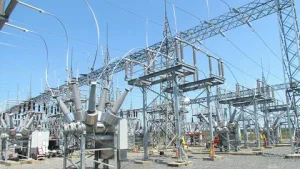
Site Selection and Ground Preparation
Site selection is one of the first steps in effective substation engineering design. Civil engineers evaluate multiple factors when selecting a suitable location, including terrain, soil strength, water drainage, and proximity to transmission lines.
Once a site is chosen, ground preparation begins. This stage includes:
-
Land grading and leveling
-
Soil compaction
-
Excavation and foundation preparation
-
Installation of drainage systems
Proper drainage is especially important because substations must remain operational in all weather conditions. Water accumulation can damage equipment, weaken foundations, and create safety hazards.
By integrating civil planning with substation design & engineering, engineers create a stable environment that protects both equipment and personnel.
Designing the Electrical Substation Layout
The electrical substation layout is a crucial part of civil engineering design. It determines how equipment is arranged within the substation yard to maximize safety, efficiency, and accessibility.
A well-designed layout ensures:
-
Safe clearance between high-voltage equipment
-
Efficient cable routing and trench placement
-
Adequate space for maintenance activities
-
Smooth vehicle movement for installation and repairs
Civil engineers work closely with electrical engineers to determine equipment spacing and structural requirements. For instance, transformer bays, control buildings, and switchgear areas must be positioned carefully to meet safety standards and operational needs. Good layout planning also reduces construction costs and simplifies future upgrades.
Structural Design and Equipment Foundations
One of the most critical aspects of substation engineering design is structural stability. Civil engineers design foundations that support heavy electrical equipment while maintaining long-term reliability.
Key structural components include:
-
Transformer foundations
-
Steel structure footings
-
Cable trenches and duct banks
-
Control building foundations
These structures must withstand environmental stress, vibrations, and load variations. Engineers use reinforced concrete and steel structures to ensure durability.
In many regions, substations must also be designed to withstand earthquakes, extreme temperatures, and heavy rainfall. Civil engineers incorporate safety margins and structural reinforcements to handle such conditions effectively. Proper structural planning enhances both safety and operational lifespan.
Drainage, Safety, and Environmental Considerations
Modern electrical substation design must address environmental and safety requirements. Civil engineering helps manage these factors through proper drainage systems, oil containment structures, and fire protection features.
For example, transformer oil containment pits are designed to prevent hazardous leaks from spreading into surrounding soil or waterways. Similarly, drainage channels direct rainwater away from sensitive equipment.
Civil engineers also ensure that substations comply with environmental regulations and safety standards. This includes designing:
-
Fire walls between transformers
-
Oil containment systems
-
Safe walkways and access paths
-
Ground grids for electrical safety
By incorporating these features into substation design & engineering, substations can operate safely while minimizing environmental impact.
Supporting Future Expansion and Grid Growth
Power demand continues to increase worldwide, making scalability an important aspect of substation engineering design. Civil engineers must plan infrastructure that allows for future upgrades and capacity expansion.
This includes reserving additional space within the electrical substation layout for new equipment, transmission lines, or transformer installations. Foundations, cable trenches, and structural supports are often designed with extra capacity to accommodate future loads.
Forward-thinking civil design helps utilities avoid expensive redesigns or reconstruction when expanding their network.
As renewable energy sources and smart grid technologies become more common, substations must adapt to evolving energy systems. Civil engineering provides the flexibility needed for these future developments.
Conclusion
Reliable power infrastructure depends on more than electrical components alone. Civil engineering plays a vital role in creating safe, durable, and efficient substations that support modern energy systems.
From site preparation and structural foundations to electrical substation layout planning and environmental protection, civil engineers ensure that every substation can operate effectively for decades. Integrated substation design & engineering brings together structural strength, safety standards, and operational efficiency.
As global electricity demand continues to grow, advanced electrical substation design and strategic substation engineering design will remain essential for building resilient power infrastructure. Organizations that prioritize high-quality civil engineering in their substations gain long-term reliability, lower maintenance costs, and greater system stability—making civil design a cornerstone of successful power projects.


