

 Written By
 The global power grid is evolving rapidly to meet the growing demand for electricity, renewable energy integration, and improved reliability. Modern infrastructure must handle complex challenges such as fluctuating loads, decentralized energy sources, and strict regulatory requirements. Engineering solutions today are not just about building systems—they are about creating intelligent, resilient, and future-ready networks.
At the core of this transformation lies a combination of advanced technologies, strategic planning, and expert engineering practices. From optimized power substation design to compliance with regulatory frameworks, every component plays a critical role in shaping the grid of tomorrow.
Shift Toward Smart and Resilient Grids
Traditional power grids were designed for one-way energy flow, where electricity moved from generation plants to consumers. However, modern grids are dynamic systems that incorporate distributed energy resources such as solar and wind. This shift requires smarter infrastructure capable of real-time monitoring, automation, and quick response to disturbances.
Engineering solutions now focus on integrating digital technologies like SCADA systems, IoT-enabled sensors, and advanced analytics. These tools provide utilities with actionable insights, enabling proactive maintenance and minimizing downtime. Resilience is no longer optional—it is essential for ensuring uninterrupted power supply in the face of natural disasters, cyber threats, and equipment failures.
Advanced Power Substation Design
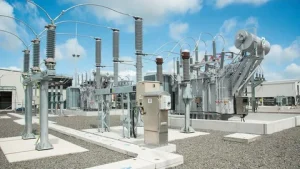
Substations are the backbone of any power grid. They play a vital role in voltage transformation, switching, and protection. Modern power substation design goes beyond traditional layouts by incorporating compact structures, digital control systems, and environmentally friendly solutions.
Gas-insulated substations, for example, are increasingly used in urban areas due to their smaller footprint and enhanced safety. Digital substations leverage fiber-optic communication and intelligent electronic devices to improve efficiency and reduce wiring complexity. These innovations not only enhance performance but also lower operational costs over time.
In addition, engineers now prioritize scalability in substation design & engineering, allowing infrastructure to adapt to future load growth and renewable energy integration without requiring complete redesigns.
Integrating Renewable Energy
The rise of renewable energy sources has introduced new challenges for grid stability. Unlike conventional power plants, renewable sources are intermittent and less predictable. Engineering solutions must address these fluctuations while maintaining consistent power quality.
Grid integration strategies include energy storage systems, flexible transmission networks, and advanced forecasting tools. Battery storage, in particular, helps balance supply and demand by storing excess energy during low demand periods and releasing it when needed.
Substations also play a critical role in renewable integration. They must be designed to handle variable inputs and ensure smooth power flow across the network. This makes modern power substation design an essential component in achieving sustainable energy goals.
Ensuring Compliance and Regulatory Alignment
As power systems become more complex, regulatory compliance has become increasingly important. Standards such as those set by NERC ensure the reliability and security of bulk power systems. Utilities must adhere to strict guidelines covering everything from system operations to cybersecurity.
Working with experienced nerc compliance consultants helps organizations navigate these requirements efficiently. These experts provide guidance on audits, documentation, risk assessments, and implementation of best practices. Compliance is not just about avoiding penalties—it is about building a secure and reliable grid that meets industry standards.
Engineering teams must integrate compliance considerations into every stage of project development, from planning to execution. This proactive approach ensures that systems remain compliant even as regulations evolve.
Digital Transformation in Grid Engineering
Digital transformation is redefining how power systems are designed, operated, and maintained. Technologies such as artificial intelligence, machine learning, and digital twins are enabling more accurate modeling and predictive analysis.
Digital twins, for instance, create virtual replicas of physical assets, allowing engineers to simulate different scenarios and optimize performance. Predictive maintenance uses data analytics to identify potential issues before they lead to failures, reducing downtime and maintenance costs.
Automation is another key aspect of digital transformation. Automated substations can detect faults and respond instantly, improving reliability and minimizing human intervention. These advancements are central to modern substation design & engineering practices.
Shaping Power Grid Infrastructure
The future of power grid infrastructure will be shaped by continued innovation and increasing demand for sustainability. Electrification of transportation, expansion of renewable energy, and urbanization are driving the need for more efficient and adaptable systems.
Microgrids are emerging as a promising solution, offering localized energy generation and improved resilience. These systems can operate independently or in conjunction with the main grid, providing flexibility and reliability.
Another trend is the increasing focus on cybersecurity. As grids become more digitized, protecting them from cyber threats is critical. Engineering solutions must incorporate robust security measures to safeguard critical infrastructure.
Finally, collaboration between utilities, engineers, and technology providers will play a key role in advancing grid modernization efforts. By leveraging expertise and innovation, the industry can build systems that meet current demands while preparing for future challenges.
Conclusion
Modern power grid infrastructure requires a holistic approach that combines advanced engineering, digital innovation, and regulatory compliance. From intelligent power substation design to the integration of renewable energy and adherence to industry standards, every aspect must be carefully planned and executed.
By embracing cutting-edge technologies and working with experienced professionals, organizations can develop resilient, efficient, and future-ready power systems. Whether it is through improved substation design & engineering or guidance from nerc compliance consultants, the path to a modern grid lies in strategic, forward-thinking solutions.


