

 Written By
 Athletic success depends on more than talent. Athletes need strength, endurance, speed, balance, mobility, and mental focus. They also need habits that support their bodies throughout demanding training schedules. Whether you play football, basketball, tennis, cricket, swimming, running, or another sport, physical preparation can make a major difference.
However, athletes should not train without a clear plan. They need to understand what their sport requires and build their fitness around those demands. Effective fitness for athletes combines exercise, recovery, nutrition, mobility, and mental preparation. When athletes follow a balanced approach, they can improve performance and maintain their energy throughout competition.
Understand Your Fitness Goals
Every athlete has different needs. A sprinter requires explosive power and acceleration. A distance runner needs strong endurance. A basketball player needs speed, jumping ability, agility, and coordination. Therefore, athletes should avoid following a routine simply because it works for someone else. Start by identifying your main goals.
You may want to become stronger, run faster, improve stamina, or move more efficiently. Once you know your priorities, you can create a more focused routine. Set small targets along the way. These goals can keep you motivated and make progress easier to track. Furthermore, review your goals regularly. Your needs can change as your season develops. You may need more conditioning during preseason and more recovery during a busy competition period.
Build Strength for Better Performance
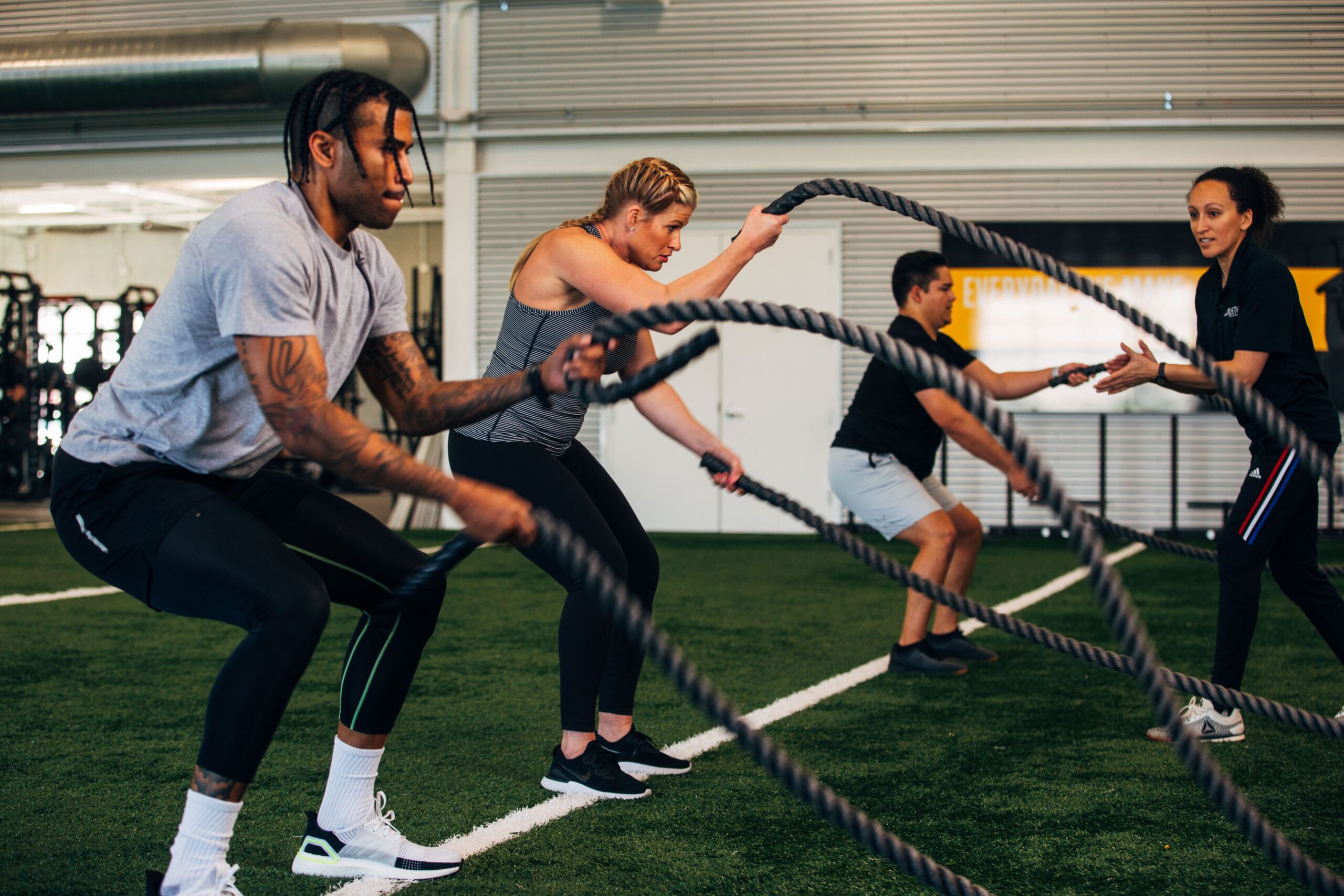
Strength provides a foundation for many sports. Strong muscles help athletes produce force and control their movements. They also support stability during running, jumping, changing direction, and physical contact. You can build strength through exercises such as squats, lunges, push-ups, rows, deadlifts, and core movements.
However, technique should come before heavier resistance. Perform each exercise with control and maintain proper form. Athletes should also train different muscle groups instead of focusing only on visible muscles. Strong legs matter, but the core, back, shoulders, and hips also support athletic movement. A balanced strength program can help create better overall performance.
Improve Speed and Agility
Speed can give athletes a major advantage. However, speed involves more than running quickly in a straight line. Athletes often need to accelerate, stop, turn, and react within seconds. Sprint drills can improve acceleration. Shuttle runs can develop quick changes of direction. Ladder drills and reaction exercises can challenge coordination.
You can also use short bursts of high-intensity movement during conditioning sessions. At the same time, do not perform speed work when you feel extremely tired. Fatigue can affect technique and reduce movement quality. Instead, give yourself enough recovery between intense efforts. This approach allows you to focus on speed rather than simply completing more repetitions.
Develop Cardiovascular Endurance
Endurance helps athletes maintain performance over time. Even sports that rely on short bursts require some level of cardiovascular fitness. Better endurance can help players recover between intense efforts and remain focused late in competition. Running, cycling, swimming, rowing, and interval training can improve cardiovascular capacity.
Choose activities that match your sport and current fitness level. Interval training can work particularly well for athletes who need repeated bursts of effort. For example, you can alternate short periods of hard work with easier recovery periods. However, beginners should increase intensity gradually. Pushing too hard too quickly can create unnecessary fatigue on fitness for athletes.
Prioritize Mobility and Flexibility
Good movement requires healthy mobility. Athletes need to move their joints through appropriate ranges of motion while maintaining control. Limited mobility can affect technique and movement efficiency. Include mobility exercises in your weekly routine. Hip movements, ankle drills, shoulder exercises, and controlled stretches can support better movement.
Dynamic movements work well before training because they prepare the body for activity. After workouts, athletes can use gentle stretching as part of their cooldown. The goal should not involve forcing extreme ranges. Instead, focus on comfortable movement and consistency.
Make Recovery Part of Training
Recovery does not mean wasting time. It forms an important part of athletic development. Training challenges the body, while recovery gives it time to adapt. Sleep should receive special attention. A consistent sleep routine can support energy, concentration, mood, and physical recovery. Athletes should also schedule easier days when their training load becomes high.
Light walking, gentle cycling, mobility work, or easy stretching can provide active recovery. However, persistent pain or unusual fatigue requires attention. Athletes should not ignore symptoms that continue or worsen. A qualified healthcare or sports professional can provide appropriate guidance when necessary.
Fuel Your Body Properly
Nutrition gives athletes the energy they need to train and compete. A balanced eating pattern should include carbohydrates, protein, healthy fats, fruits, vegetables, and adequate fluids. Carbohydrates can provide useful fuel for intense activity. Protein supports muscle repair and development. Healthy fats contribute to overall health and provide another energy source.
Hydration matters as well. Drink fluids throughout the day and pay extra attention during hot conditions or long training sessions. Individual fluid needs can vary, so athletes should consider factors such as exercise duration, weather, body size, and sweat levels. Avoid extreme diets or unnecessary food restrictions. Instead, focus on consistent meals that provide a broad range of nutrients.
Train Your Mind
Physical fitness represents only part of athletic performance. Confidence, concentration, discipline, and emotional control also influence results. Athletes can develop mental skills through visualization, goal setting, breathing exercises, and positive self-talk. Before competition, create a simple routine that helps you focus on the task ahead. Mistakes will happen.
Even experienced athletes have poor performances. Instead of allowing one mistake to affect the entire session, reset your attention and focus on the next action. Over time, this mental approach can help athletes handle pressure more effectively. It can also improve confidence during challenging situations.
Track Your Progress
Tracking your workouts can reveal useful patterns. Record exercises, distances, times, repetitions, and training intensity. You can also note your energy and recovery levels. This information can help you recognize progress and identify problems fitness for athletes.
For example, you may notice that performance drops after several demanding sessions. You can then adjust your workload and add more recovery. Avoid making dramatic changes based on one difficult workout. Progress takes time. Look for consistent patterns instead.
Avoid Common Fitness Mistakes
Many athletes make the mistake of doing too much too soon. They increase training volume quickly and expect immediate results. However, the body needs time to adapt. Another common mistake involves ignoring recovery. More training does not always produce better results. Quality matters just as much as quantity.
Athletes should also avoid copying professional routines without understanding their own needs. Elite athletes often train under professional supervision and follow highly customized programs. Recreational athletes may require a very different approach. Instead, build a routine that matches your experience, goals, schedule, and sport. If you have a health concern or previous injury, seek professional advice before making major changes.
Create a Sustainable Routine
Consistency produces better long-term results than occasional extreme workouts. A sustainable routine should fit comfortably into your lifestyle and competition schedule. Plan your training in advance. Include strength sessions, conditioning, skill practice, mobility work, and recovery. Then adjust the workload as your body and schedule change. Most importantly, stay patient. Athletic improvement rarely happens overnight. Small improvements can become significant when you repeat them consistently.
Final Thoughts
Strong athletic performance comes from a complete approach. Fitness for athletes should include strength, speed, endurance, mobility, nutrition, recovery, and mental preparation. Each element supports the others. Ignoring one area can limit overall progress.
Athletes should focus on smart training rather than simply working harder. Set clear goals, use proper technique, recover well, and give your body the fuel it needs. With consistent fitness, you can build stronger habits and improve your ability to perform when competition matters most.


