

 Written By
 The gaming world keeps changing, but PC gaming continues to hold a unique position. Players can upgrade their hardware, customize their setups, install mods, and explore a huge range of games. At the same time, new technology continues to reshape how people play.
In 2026, several important trends are influencing the market. Artificial intelligence, powerful graphics cards, handheld computers, subscription services, and improved displays are changing player expectations. Meanwhile, rising hardware costs are making buyers think more carefully before upgrading.
AI Is Changing Gaming Hardware
Artificial intelligence has moved beyond chatbots and image generators. Hardware companies now use AI to improve gaming performance, image quality, and system efficiency. Modern graphics cards can use AI-based technologies to generate additional frames and improve visual quality. These features can help players achieve smoother performance without relying entirely on traditional rendering power.
However, AI also creates new challenges. Data centers need enormous amounts of memory and computing power. That demand can affect the availability and price of components used in consumer computers. As a result, gamers now face a strange situation. Hardware continues to become more capable, yet some upgrades can cost more because manufacturers compete for the same resources.
Graphics Cards Remain a Major Focus
The graphics card still plays a central role in a modern gaming computer. Players who want high resolutions, advanced lighting, and high frame rates often need powerful GPUs. Recent shipment data shows strong demand for desktop graphics cards. In the second quarter of 2026, global shipments reached 12.5 million units. That figure marked a four-year high.
Nvidia also held a dominant position in the market during that period. This demand shows that gamers still value performance. However, buyers have become more selective. Many now compare price, memory capacity, efficiency, and long-term value before purchasing a new card. Therefore, manufacturers must offer more than raw performance. Features such as AI upscaling, frame generation, power efficiency, and better software support now influence buying decisions.
More Gamers Want Higher Memory Capacity
Games continue to demand more system resources. Developers create larger worlds, detailed textures, complex simulations, and advanced lighting systems. Consequently, gamers need hardware that can handle these workloads comfortably. Steam hardware data from 2026 shows this shift. GPUs with 16GB of VRAM have become increasingly common among surveyed users.
Eight-core processors have also gained significant ground. This trend matters because hardware requirements can influence how long a gaming PC remains useful. A computer with more memory may handle future games more comfortably than an entry-level system with limited capacity. Still, gamers do not always need the most expensive components. Smart buyers can choose hardware based on their resolution, preferred games, and target frame rate.
Handheld Gaming PCs Continue to Grow
Gaming no longer means sitting at a desk for hours. Handheld gaming computers have created another option for players who want portability. Devices such as the Steam Deck helped prove that PC games can work successfully in a handheld format. Since then, more manufacturers have entered the category with faster processors, better screens, and improved battery technology.
The trend also affects traditional gaming laptops. Portable systems now combine PC flexibility with the convenience of playing almost anywhere. Valve continues to explore the next generation of its handheld hardware. However, the company has indicated that it wants a major performance improvement without sacrificing battery life or efficiency. That balance will remain important. Players want more performance, but they also expect reasonable battery life and comfortable designs.
Displays Are Becoming More Important
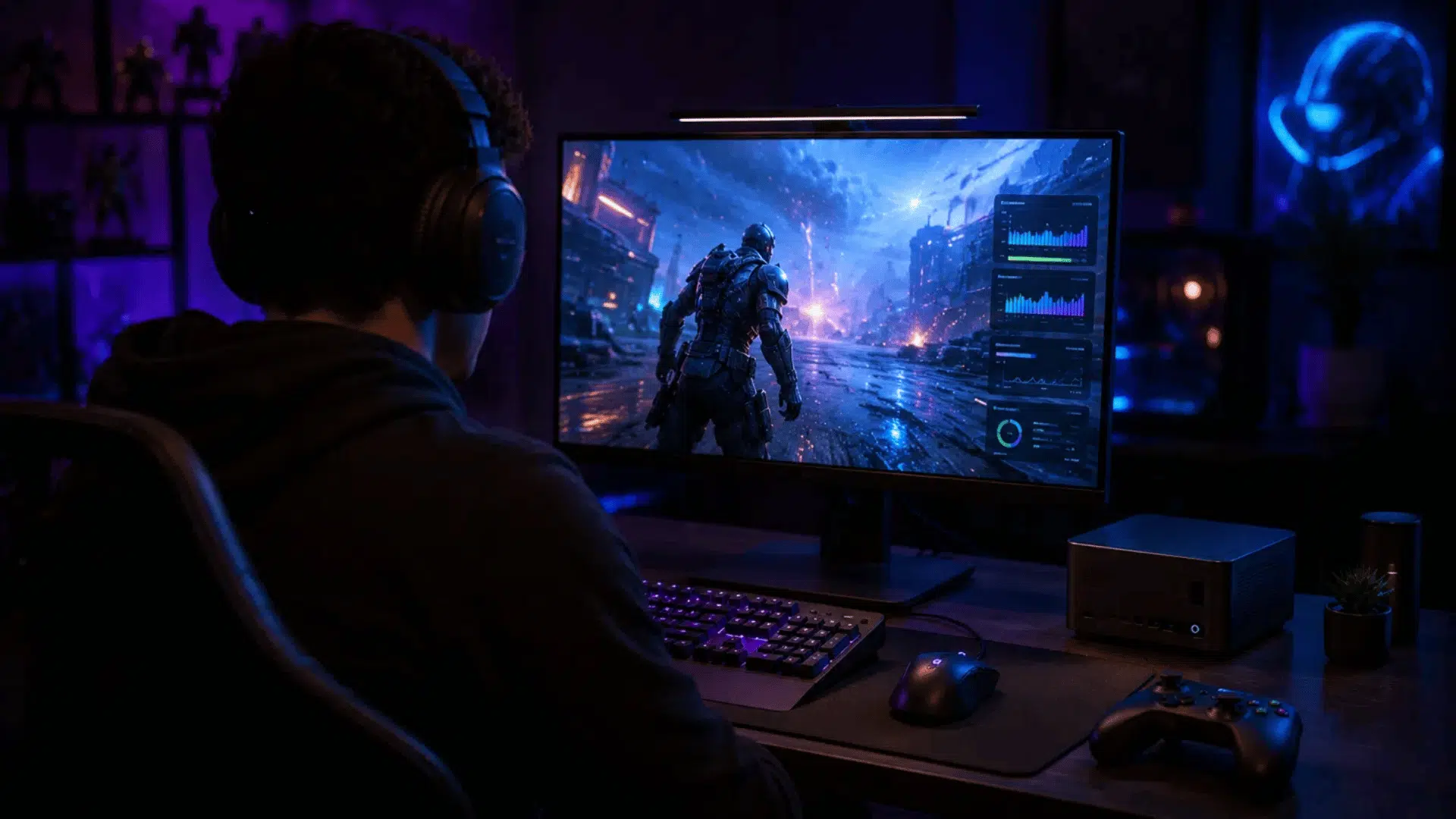
Gamers increasingly care about the complete visual experience. Resolution still matters, but refresh rates, response times, HDR support, and OLED panels now receive more attention. High-refresh-rate monitors can make fast games feel smoother. OLED displays can deliver deeper blacks and strong contrast by PC Gaming.
Meanwhile, higher resolutions allow players to see more detail. As prices gradually change across different display categories, more gamers can access features that once belonged mainly to premium setups. Therefore, the monitor has become an important part of a gaming setup rather than an afterthought.
Subscription Services Offer More Choice
Buying every new game at full price can become expensive. Because of that, subscription services continue to attract players who want access to large libraries. Gaming subscriptions can provide a practical way to discover new titles. Players can try different genres without purchasing every game individually.
This model also gives publishers another way to maintain long-term relationships with their audiences. Industry forecasts suggest that gaming subscriptions should remain an important part of the market as consumers continue looking for value. However, subscriptions do not replace traditional purchases for everyone. Some players still prefer to own their favorite games and keep permanent access to them.
Cloud Gaming Has Potential, But Challenges Remain
Cloud gaming promised to remove the need for expensive hardware. Instead of running a game locally, a remote server handles the processing and streams the result to the player. The technology has improved, but adoption has not matched some early predictions. Internet quality, latency, data usage, and infrastructure costs can still affect the experience.
Recent reporting shows that cloud gaming remains a niche part of the broader market rather than a complete replacement for local hardware. For now, cloud services work best as another option. They can help players access demanding games on devices that could not normally run them.
Indie Games Continue to Matter
Big-budget releases attract enormous attention, but independent developers continue to bring fresh ideas to the market. Indie studios can experiment with unusual mechanics, smaller worlds, creative storytelling, and different art styles. Digital distribution also allows these developers to reach global audiences without relying entirely on traditional retail channels.
At the same time, early access remains popular. Developers can involve players during development and use feedback to improve their games. However, the model also creates expectations that developers must manage carefully. Players increasingly want transparency. They want to know what they are buying and how far a game has progressed.
What Comes Next?
The future of PC gaming will likely focus on flexibility, performance, and value. Players want powerful hardware, but they also want reasonable prices. They want impressive graphics, yet they expect smooth performance. They also want the freedom to play at a desk, on a laptop, or through a handheld device.
Meanwhile, AI will continue to influence both hardware and software. Graphics technology will keep improving, and game developers will experiment with new ways to create larger and more interactive worlds. Ultimately, the biggest trend involves choice. Gamers now have more hardware options, more ways to access games, and more ways to customize their experience than ever before.
That variety gives the PC platform a major advantage. Instead of following one fixed path, players can build an experience around their budget, preferences, and playing habits. As technology continues to advance, that flexibility will likely remain one of the platform’s strongest qualities.
Final Thoughts
The future of PC gaming looks more flexible, innovative, and competitive than ever. New graphics technologies, AI features, handheld devices, high-quality displays, and subscription services continue to give players more choices. At the same time, rising hardware costs encourage gamers to make smarter purchasing decisions.
Rather than chasing every new upgrade, players can focus on the features that actually improve their experience. As technology continues to evolve, the gaming industry will introduce even more ways to play, connect, and enjoy games. For players, that means an exciting future with greater freedom and more possibilities.


