
 Written By
  Reviewed By Jasmine Sutton
Introduction
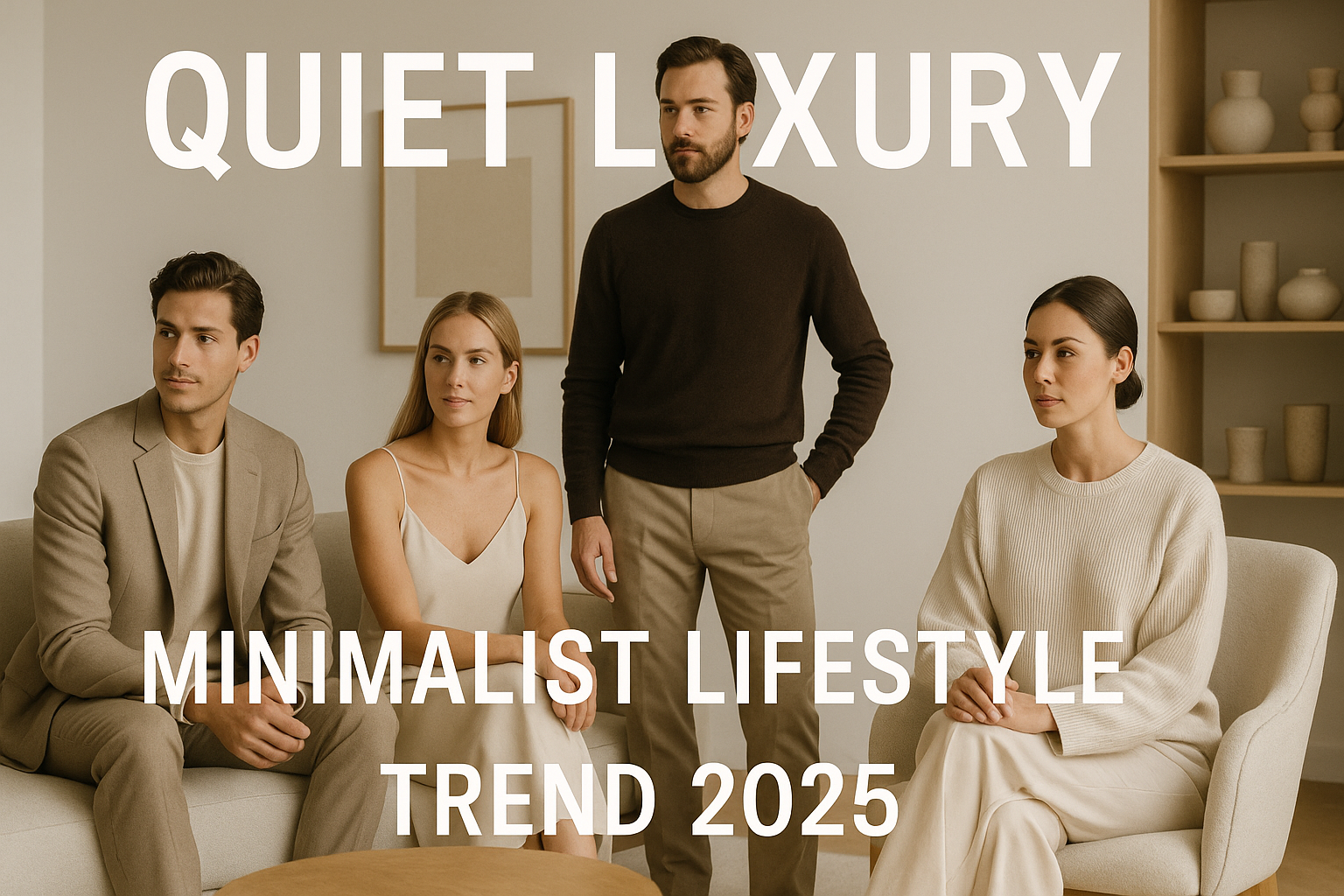
In 2025, people seek calm and quality over flashy displays. The quiet luxury trend reflects this shift. Instead of brand logos and bright patterns, quiet luxury focuses on simple, high-quality items. This aligns with a minimalist lifestyle that values less clutter and more meaning.
Shoppers now prefer well-made basics that last years. They care about sustainable living and mindful consumption. Instead of buying many cheap items, they invest in a few timeless pieces. This approach reduces waste and stress. As a result, quiet luxury and minimalism go hand in hand.
In this article, we explore what quiet luxury means in 2025. We will see why the minimalist design is so popular and how long term sustainable fashion industry plays a role. We will share practical tips for adopting a minimalist lifestyle and highlight its benefits. By the end, you will understand why quiet luxury is more than a trend—it is a way of living with purpose.
What Is Quiet Luxury?

Quiet luxury is a style that values subtlety over showiness. It is the opposite of flashy logos and fast trends. Instead, quiet luxury focuses on classic cuts, neutral colors, and fine materials. Labels, if any, stay hidden. The emphasis is on craftsmanship, not branding.
A quiet luxury wardrobe might include a well-fitted cashmere sweater, genuine leather loafers, and a simple gold watch. These items do not scream expensive but look elegant and refined. The goal is for items to blend seamlessly into any setting.
In a minimalist lifestyle, you choose only what you truly need and love. Quiet luxury aligns with this by encouraging fewer but better pieces. It is not about spending more; it is about spending wisely. When your clothes and home items last for years, you save money and reduce waste.
Why Minimalism Grows in 2025
In recent years, more people feel overwhelmed by choices and clutter free. With social media showing endless images of luxury goods, many started feeling pressure to buy. But by 2025, a new mindset emerged. Instead of collecting many items, people want fewer, more meaningful possessions.
Environmental concerns drive this shift. Fast fashion produces huge amounts of waste. Many prefer sustainable fashion and sustainable living. They know top-quality wool or organic cotton reduces environmental harm. This mindset supports both quiet luxury and minimalism.
Financial factors also matter. When budgets tighten, buying durable basics makes sense. Instead of replacing cheap items yearly, people invest in pieces that last. This approach is healthier for wallets and the planet.
The pandemic taught us to value simpler pleasures. People spent more time at home and realized comfort matters. A minimalist lifestyle brings ease when you own fewer, well-chosen items. Quiet luxury fits this desire for calm and quality.
Key Elements of Quiet Luxury
To understand quiet luxury, look at its main features:
- Quality Over Quantity: Choose fewer items that will last. A single wool coat can serve you for years if well made. This mindset rejects buying many trend-based pieces.
- Neutral and Timeless Colors: Quiet luxury uses shades like black, white, grey, and beige. These colors match easily and never go out of style. A neutral palette makes a capsule wardrobe versatile.
- Minimalist Design: Clean lines, simple shapes, and no extra details define minimalist design. Garments and home decor follow this same rule: leave out anything unnecessary.
- Sustainable and Ethical Materials: Luxury items use high-quality materials like cashmere, leather, silk, and organic cotton. These materials feel better and usually last longer. Ethically made goods ensure fair wages and safe work conditions.
- Attention to Craftsmanship: Quiet luxury celebrates skilled artisans. You see this in fine stitching, hand-finished edges, and high-quality hardware. Well-made items resist wear and tear.
- Subtle Branding: If a luxury brand is involved, it remains discreet. No giant logos or flashy tags. The beauty lies in the design itself.
- Longevity and Versatility: Pieces can work in multiple settings—office, casual, evening out. This versatility reduces the need for many outfits.
- Mindful Consumption: Before buying, ask if the item serves a true purpose. Will you wear it often? Does it fit multiple outfits? Mindful consumption prevents impulse buys.
By focusing on these elements, quiet luxury blends smoothly with a minimalist lifestyle. You own less, but each item brings joy and utility.
Minimalist Design in Home and Fashion
Minimalism began in art and architecture. Today, it influences homes and wardrobes alike.
1. Fashion
A minimalist wardrobe might include a white button-down shirt, a tailored blazer, straight-leg trousers, and simple leather sneakers. Each piece mixes and matches easily. With these basics, you can create many outfits.
Look for clean cuts, simple buttons, and neutral hues. Avoid bold prints. Instead, pick high-quality fabrics that drape nicely and feel soft. A silk blouse or a cashmere sweater feels luxurious without big labels.
2. Home Decor
In a minimalist home, you declutter surfaces and keep only essentials. Furnishings focus on simple shapes and natural materials like wood, linen, and wool. You see smooth lines, no extra ornamentation, and gentle color schemes.
In the living room, a neutral sofa, a few cushions, and a simple coffee table set the tone. Open space makes the room feel calm. In bedrooms, a fine linen duvet and a wooden nightstand bring warmth without clutter.
Plants also add life to minimalist spaces. A single potted plant can soften a corner. Natural light is key. Use sheer curtains to let sunlight fill the room.
Comparative Table: Quiet Luxury vs. Fast Fashion
| Aspect | Quiet Luxury | Fast Fashion |
|---|---|---|
| Cost per Item | High initial cost, lasts longer | Low cost, wears out quickly |
| Quality | Premium materials, fine craftsmanship | Cheaper materials, lower durability |
| Design | Timeless, neutral, simple | Trendy, bold, seasonal |
| Sustainability | Eco-friendly, ethically made | High waste, potential labor concerns |
| Longevity | Years to decades | Months to one year |
| Consumer Style | Minimalist, understated elegance | Volume-based, constant new looks |
| Wardrobe Size | Small, a few versatile pieces | Large, many single-use items |
| Environmental Impact | Lower carbon footprint, less waste | High waste, high emissions |
Conclusion
Quiet luxury and the minimalist lifestyle are more than just fashion trends in 2025. They reflect a deeper desire for calm, quality, and meaning. By choosing fewer, well-made items and focusing on minimalist trend design, you create a space and a wardrobe that last. You save money, reduce stress, and help the environment. Whether you start with a decluttering session or invest in one high-quality piece, every step counts.
This lifestyle shift moves us away from constant consumption and toward mindful choices. As you embrace quiet luxury, you learn to value what you own and use fewer resources. This change not only makes life simpler but also supports a more sustainable fashion world. In a time when noise and clutter surround us, quiet luxury offers a peaceful path to living with purpose and personal style.