

 Written By
 Role playing games give players more than simple entertainment. They invite you to step into another world, create a character, make important decisions, and shape your own adventure. These games can include fantasy kingdoms, futuristic cities, mysterious lands, or realistic settings.
Each game offers its own rules, characters, challenges, and progression systems. As a result, beginners may feel overwhelmed when they first enter a large game world. You may need to manage equipment, abilities, quests, dialogue choices, and resources at the same time. However, you do not need to master everything immediately. With a few practical strategies, you can understand the basics and enjoy your adventure with greater confidence.
Understand the Main Game Systems
Before exploring every corner of a new game, learn its core systems. Start by understanding how your character gains experience and becomes stronger. Many games use experience points, skill trees, equipment upgrades, or ability levels to improve characters. Pay attention to these systems during the early stages.
They often determine how effectively your character handles later challenges. Also, learn how combat works. Understand your attacks, defensive options, special abilities, and available resources. If the game includes a tutorial, complete it instead of skipping through it. A short introduction can save you from making costly mistakes later.
Create a Character That Matches Your Style
Character creation can become one of the most enjoyable parts of a role-playing adventure. Many games allow you to choose a class, abilities, background, appearance, or starting equipment. Do not choose an option simply because another player recommends it. Instead, consider how you enjoy playing.
If you like direct combat, a strong melee character may suit you. If you prefer distance and strategy, a ranged or magical build may feel better. Some players enjoy supporting teammates rather than dealing heavy damage. Therefore, think about your preferred style before making important choices. You can then build a character that feels natural instead of forcing yourself into an unfamiliar role.
Explore the World Carefully
Large game worlds often contain much more than the main storyline. Developers hide side quests, secret locations, rare items, hidden characters, and environmental clues throughout the map. Take time to explore these areas. You may discover useful rewards or stories that you would otherwise miss.
However, avoid rushing through every location just to complete objectives. Look around and interact with characters. Check unusual paths and investigate interesting locations. Exploration can also help you understand the world and its history. Furthermore, side quests often provide extra experience and equipment. These rewards can make future challenges easier.
Manage Your Equipment
Equipment plays an important role in many role playing games. Weapons, armor, accessories, and other items can change your character’s performance. However, you do not need to collect everything you find. Instead, compare new equipment with what you already own. Look at important statistics and consider whether the item supports your current build.
Keep useful items and sell or dismantle equipment that no longer helps you. Inventory management also matters. A cluttered inventory can make it harder to find important items during a difficult moment. Therefore, organize your equipment regularly and remove unnecessary items.
Build Skills With a Clear Plan
Many modern games provide large skill trees with numerous upgrades. New players may feel tempted to unlock every ability. However, spreading your points across unrelated skills can create a weak character. Instead, choose a general direction and develop abilities that support it.
For example, a defensive character can focus on health, protection, and survival skills. A damage-focused character may prioritize attack power and critical effects. You can experiment as you learn more about the game. Still, having a basic plan helps you spend resources more effectively.
Pay Attention to Quests
Quest systems can guide you through the story and introduce you to important game mechanics. Read quest descriptions carefully. They often provide useful information about objectives, locations, characters, and rewards. You do not need to complete every side quest immediately.
Some quests may become easier after you gain better equipment or unlock new abilities. Therefore, focus on tasks that match your current strength. Also, keep track of important objectives. This approach prevents you from wandering around without a clear purpose. At the same time, leave room for exploration when you discover something interesting.
Make Smart Choices
Choices can shape the story in many role playing games. Dialogue options may change relationships, unlock different missions, or influence future events. Before making an important decision, consider what your character would realistically choose. You can also think about the possible consequences.
However, do not worry about finding a perfect answer every time. Sometimes, the most interesting choice creates an unexpected result. That uncertainty forms part of the experience. If the game allows multiple saves, you can also experiment with different decisions. This approach lets you see how the story changes without committing to one path.
Learn From Combat
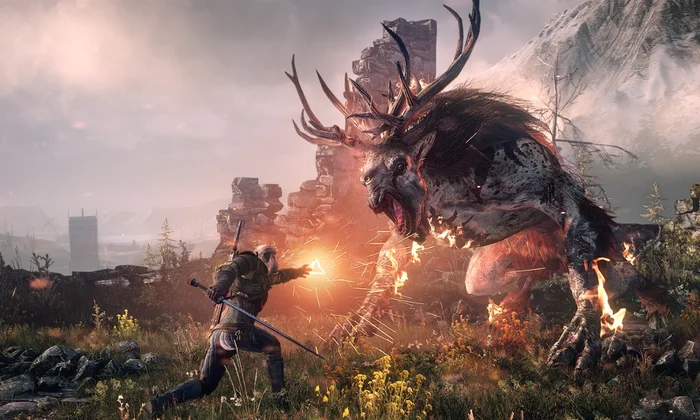
Combat often becomes more challenging as you progress. Enemies may gain stronger attacks, better defenses, or new abilities. Therefore, avoid relying on the same strategy throughout the entire game. Watch enemy behavior and identify patterns. Learn when to attack and when to defend.
Use special abilities at the right moments instead of wasting them early. Positioning can also make a major difference. Move away from dangerous attacks and use the environment when possible. If you lose repeatedly, change your approach rather than simply trying the same strategy again.
Balance Main Story and Side Content
It can feel tempting to complete everything before continuing the main story. However, that approach can make a game feel like a checklist. Instead, create a balance between story missions and optional activities. Complete side content when it looks interesting or provides useful rewards.
Then return to the main storyline when you feel ready. This approach keeps the adventure fresh. It also prevents repetitive tasks from taking away from the main experience. Remember that you control the pace. There is no need to rush toward the final mission.
Use Guides Without Losing the Fun
Online guides can help when you become stuck. They can explain difficult bosses, confusing quests, character builds, and hidden mechanics. However, avoid relying on guides for every decision. Discovering solutions yourself often creates some of the best gaming memories.
Use guides as a backup rather than a replacement for exploration. If you cannot understand a particular system, look for a simple explanation. Then return to the game and experiment on your own. This method allows you to learn while keeping the adventure personal.
Final Thoughts
A great role playing game gives you the freedom to create your own experience. You can follow the main story, explore hidden areas, develop unique abilities, and make choices that shape your journey. Beginners should focus on understanding the core mechanics rather than trying to master everything immediately.
Build a character around your preferred style and learn how each system supports that choice. Most importantly, take your time. Explore the world, talk to characters, experiment with different strategies, and enjoy the unexpected moments. The best adventures often come from decisions that you never planned to make.


