

 Written By
 Your vehicle can develop problems without much warning. One day, everything works normally. The next day, you may hear a strange sound, notice a warning light, or struggle to start the engine. These situations can feel stressful, but you can handle many basic issues with a calm and practical approach.
Good vehicle troubleshooting starts with understanding what your car tries to tell you. Unusual noises, smells, vibrations, leaks, and changes in performance often provide useful clues. You do not need to become a professional mechanic. However, you should know how to spot common problems and when to ask for expert help.
Start With the Warning Signs
Your vehicle often shows early signs when something needs attention. Pay close attention to changes in the way your car starts, stops, accelerates, or handles.
For example, a grinding sound may point to a brake problem. A squealing noise may come from a belt or another moving component. A strong burning smell can also signal an issue that needs attention.
Do not ignore these signs simply because the vehicle still runs. A small mechanical problem can grow into a larger and more expensive repair. Instead, note what you hear, when it happens, and whether anything else changes at the same time.
Check the Dashboard Lights
Modern vehicles use dashboard lights to communicate with drivers. Each symbol can point toward a different system. A check-engine light can appear for many reasons. A battery symbol may indicate a charging problem. An oil-pressure warning can signal a serious engine concern. Therefore, check your owner’s manual whenever an unfamiliar warning light appears.
Pay attention to the color and behavior of the warning light. A flashing warning often requires faster attention than a steady light. If the vehicle begins to run roughly, lose power, overheat, or behave dangerously, stop driving when it becomes safe and contact a qualified professional.
Inspect the Battery
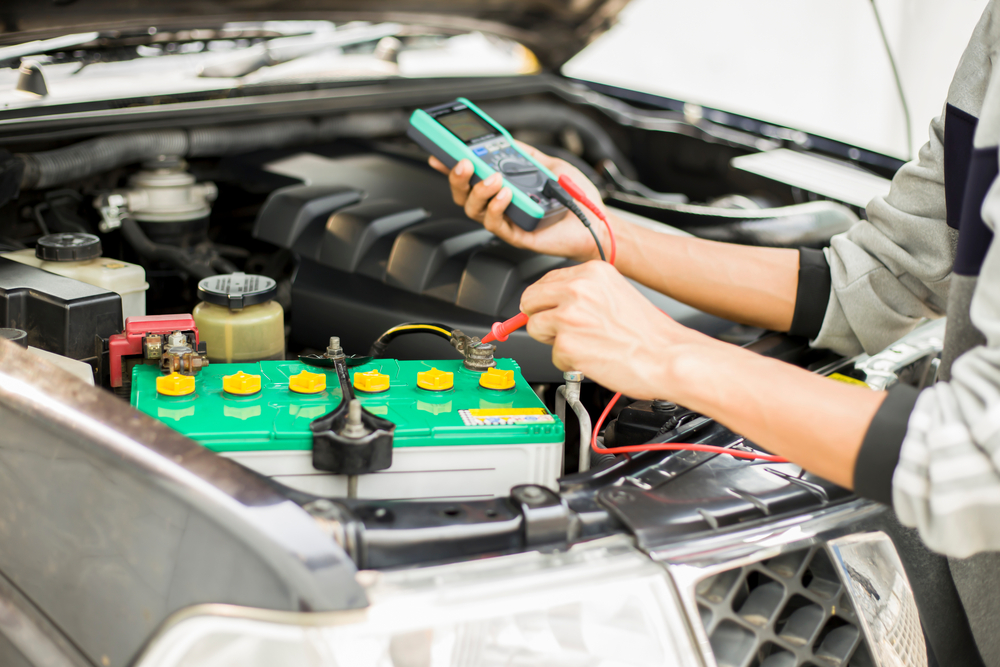
A weak battery can create several frustrating symptoms. Your engine may crank slowly, your lights may become weak, or the vehicle may fail to start. Start by checking the battery terminals. Look for loose connections or visible corrosion. Make sure the connections remain secure. However, do not touch damaged electrical components without proper knowledge or protection.
If the battery looks fine but the car still struggles to start, consider the battery’s age. Batteries lose their ability to hold a charge as they age. A mechanic can test the battery and charging system to identify the actual problem.
Look at the Tires
Tires affect braking, steering, comfort, and fuel efficiency. Therefore, include tire checks in your regular vehicle troubleshooting routine. Check the tire pressure with a reliable gauge. Follow the pressure listed in your owner’s manual or on the vehicle information label. Do not rely only on how the tire looks because a tire can lose pressure without appearing flat.
Next, inspect the tread and sidewalls. Look for cracks, cuts, bulges, punctures, or unusual wear. If one tire wears faster than the others, ask a tire professional to inspect the vehicle. Alignment, suspension, or inflation problems may contribute to uneven wear.
Investigate Fluid Leaks
A puddle under your vehicle can provide an important clue. Different fluids have different colors, textures, and smells, although you should never identify an unknown fluid by touching or tasting it.
Engine oil often leaves a dark, greasy mark. Coolant may appear green, orange, pink, blue, or another color depending on the vehicle and coolant type. Brake fluid usually looks clear to light brown.
If you notice a significant leak, avoid driving until you understand the problem. A major fluid loss can damage important components and may create a safety risk.
Pay Attention to Brake Problems
Your brakes deserve immediate attention when they behave differently. Listen for grinding, persistent squealing, or other unusual sounds. Also notice changes in pedal feel.
If the brake pedal feels unusually soft, the vehicle pulls to one side, or braking takes longer than normal, arrange an inspection promptly. Do not continue driving a vehicle with serious braking problems just because it still stops.
Regular brake inspections can help you catch worn components before they create larger problems. When safety systems show warning signs, professional assistance should come first.
Check for Overheating
An overheating engine can cause serious damage. Watch the temperature gauge and pay attention to steam, unusual smells, or warning messages.
If the temperature rises into the danger zone, stop the vehicle safely. Turn off the engine and allow it to cool. Never remove a hot radiator cap because pressurized coolant can cause severe burns.
After the engine cools, check for obvious coolant leaks if you can do so safely. If the vehicle continues to overheat, call a qualified mechanic instead of continuing to drive.
Listen to Strange Noises
Noise can provide valuable information during vehicle troubleshooting. Try to identify when the sound appears. Does it happen during acceleration? Does it increase with speed? Does it occur when you turn the steering wheel or press the brake pedal?
A clicking sound during turns may point toward a drivetrain issue. A humming noise that changes with road speed may require a tire, wheel, or bearing inspection. A knocking engine sound deserves prompt attention.
Write down the conditions that produce the noise. This information can help your mechanic diagnose the problem more quickly.
Check Simple Causes First
Sometimes, a vehicle problem has a simple explanation. The engine may not start because you have an empty fuel tank. A light may stop working because of a failed bulb or fuse. A loose connection may also create an electrical problem.
Start with basic checks before assuming that your vehicle needs an expensive repair. However, avoid taking apart systems that you do not understand. Incorrect repairs can create additional damage.
When an issue involves fuel, electrical wiring, airbags, brakes, steering, or other critical systems, let a trained technician handle the repair.
Keep Up With Maintenance
Regular maintenance can prevent many problems. Follow the service schedule in your owner’s manual. Check essential fluids, tire pressure, lights, and other components at the recommended intervals.
Replace worn wiper blades and monitor your tires. Keep the engine oil at the correct level and use the specification recommended by the manufacturer.
Good maintenance also makes troubleshooting easier because you know the vehicle’s normal condition. When something changes, you can recognize the difference sooner.
Know When to Call a Mechanic
You can handle some basic checks yourself, but not every problem belongs in a home garage. Seek professional help when the vehicle shows serious warning signs or when you cannot identify the cause.
A qualified mechanic can inspect the vehicle, use diagnostic equipment, and explain the repair options. Ask questions before approving expensive work. Request a clear estimate and ask which repair the vehicle needs immediately.
Most importantly, never sacrifice safety to save money. If your brakes, steering, tires, engine temperature, or other critical systems show serious problems, stop driving when necessary and get professional assistance.
Final Thoughts
Effective vehicle troubleshooting does not require advanced mechanical skills. It requires attention, patience, and sensible decision-making. Watch for warning lights, unusual sounds, fluid leaks, tire problems, and changes in vehicle behavior.
Start with simple checks but know your limits. Keep up with regular maintenance and record important repairs. When a problem involves a safety-critical system, contact a qualified professional.
With these habits, you can recognize problems earlier, communicate more clearly with mechanics, and reduce the chance of turning a minor issue into a major repair.


