

 Written By
 The automotive industry continues to change at a remarkable pace. Car designers now focus on much more than appearance. They consider technology, comfort, efficiency, safety, sustainability, and the changing expectations of drivers. As a result, modern vehicles look and feel very different from older models. New materials, digital systems, electric powertrains, and advanced manufacturing methods continue to influence the shape of future cars.
Today, automotive design brings several disciplines together. Designers work closely with engineers, software developers, safety specialists, and manufacturing teams. Together, they create vehicles that combine attractive styling with practical performance. These changes also show how the automobile continues to evolve as technology becomes a larger part of everyday transportation.
Minimalist Exterior Styling
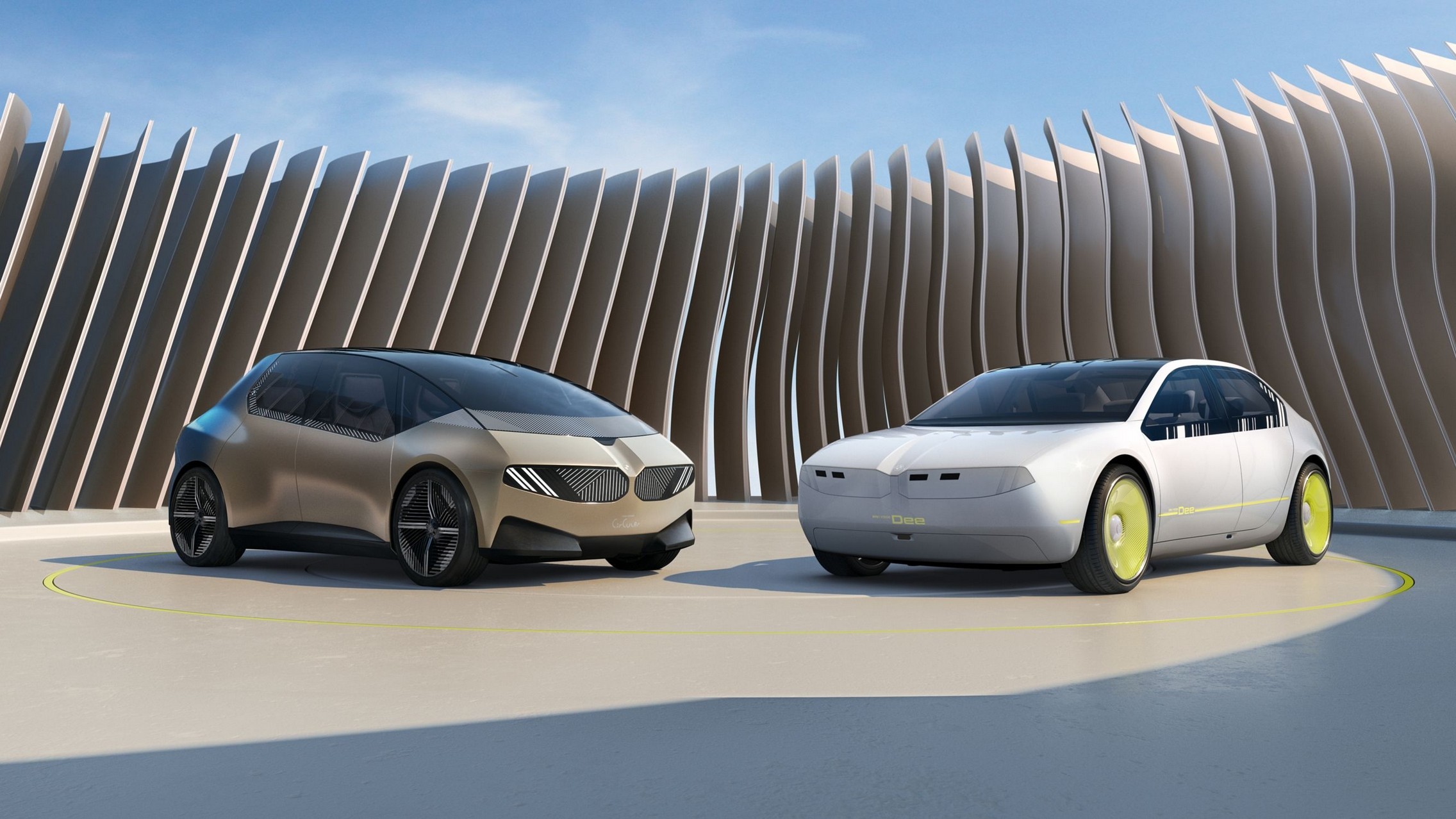
One noticeable trend involves cleaner and simpler exterior designs. Many manufacturers now use smooth surfaces, fewer decorative details, and more streamlined body shapes. This approach creates a modern appearance while also supporting aerodynamic efficiency.
Designers pay close attention to how air moves around the vehicle. A smoother body can reduce aerodynamic resistance and help improve efficiency. This consideration matters particularly for electric vehicles because manufacturers want to maximize the distance drivers can travel on a single charge.
At the same time, designers still want vehicles to have a distinctive identity. Therefore, they use carefully shaped lighting, body lines, grilles, and other visual details to make each model recognizable. The result combines simplicity with strong visual character.
Connected and Digital Interiors
The interior of a modern vehicle has become a major area of innovation. Large digital displays now replace many traditional buttons and gauges. Drivers can access navigation, entertainment, vehicle settings, and communication features through centralized screens.
However, designers must balance technology with usability. A screen may look impressive, but drivers still need to access important controls quickly and safely. For this reason, manufacturers continue to experiment with physical controls, voice commands, touch interfaces, and steering-wheel controls.
Digital displays also allow manufacturers to update the appearance and functionality of vehicle systems through software. Consequently, the interior can continue to evolve even after the vehicle leaves the factory.
Sustainable Materials
Environmental concerns have also influenced automotive design. Manufacturers increasingly explore materials that can reduce environmental impact while maintaining durability and comfort. Recycled plastics, sustainable fabrics, plant-based materials, and alternative leather options now appear in some vehicle interiors.
This shift goes beyond replacing one material with another. Designers must consider where materials come from, how manufacturers produce them, how long they last, and what happens when vehicles reach the end of their useful lives.
Therefore, sustainability now plays a larger role throughout the design process. Manufacturers continue to investigate ways to reduce waste and use resources more efficiently.
The Growth of Electric Vehicle Design
Electric vehicles have created new opportunities for designers. Traditional cars need space for engines, exhaust systems, fuel tanks, and other mechanical components. Electric vehicles use a different layout because batteries, motors, and electronic systems require different packaging.
This change gives designers more freedom when planning interior space. Some electric vehicles offer spacious cabins despite their exterior dimensions. Designers can also explore different proportions and floor layouts.
At the same time, battery placement creates its own design challenges. Engineers need to protect the battery while maintaining an appropriate vehicle height, weight distribution, and center of gravity. As battery technology develops, designers will gain even more opportunities to rethink traditional vehicle proportions.
Advanced Lighting Systems
Lighting has become an important part of modern vehicle identity. LED technology allows designers to create thinner headlights and more distinctive lighting patterns. Manufacturers can use daytime running lights, illuminated badges, rear light bars, and other elements to create recognizable designs.
Lighting also supports communication. Some vehicles can use exterior lights to communicate information to drivers or pedestrians. For example, certain advanced systems can display visual signals when the vehicle operates in specific situations. As a result, lighting now serves several purposes. It improves visibility, supports safety, and contributes strongly to the vehicle’s visual identity.
Aerodynamics and Efficiency
Efficiency has become a central design consideration. Designers use computer simulations and wind-tunnel testing to study airflow around vehicles. They then adjust body shapes, wheels, mirrors, spoilers, and underbody components to reduce aerodynamic drag.
This approach affects both conventional and electric vehicles. However, electric vehicles place particular emphasis on efficiency because aerodynamic improvements can help reduce energy consumption.
Consequently, future vehicles may continue to feature smoother surfaces, optimized wheels, active aerodynamic components, and carefully shaped body panels. These details may appear subtle, but they can make a meaningful difference to overall vehicle performance.
Personalization and Flexible Interiors
Drivers increasingly expect vehicles to match their personal preferences. Automakers respond by offering more choices for colors, materials, lighting, seating configurations, and digital interfaces.
Interior flexibility also matters. Families may need different arrangements from commuters or business travelers. Therefore, designers explore adjustable seating, expandable storage, modular components, and adaptable cabin layouts.
Some future vehicles may offer even greater personalization through software. A driver could adjust display layouts, ambient lighting, seating preferences, and other settings through a connected profile. This approach can make the vehicle feel more personal without requiring major physical changes.
Advanced Safety Design
Safety remains one of the most important factors in vehicle development. Modern designers work with engineers to integrate cameras, radar, sensors, and other technologies without disrupting the vehicle’s appearance.
These systems support features such as automatic emergency braking, lane assistance, adaptive cruise control, and parking assistance. Designers must carefully position sensors so they can operate effectively while blending them into the vehicle’s exterior.
At the same time, traditional safety principles remain important. Strong passenger compartments, effective crumple zones, suitable seating positions, airbags, and clear visibility continue to influence vehicle design.
Design for Autonomous Driving
The development of driver-assistance and automated driving technologies could also change vehicle interiors. As vehicles take on more driving tasks, designers may rethink how occupants use their time inside the cabin.
Future concepts may focus more on comfort, communication, entertainment, and productivity. However, the exact interior changes will depend on how automated driving technology develops and how regulations evolve.
For now, designers continue to create cabins that support both human driving and increasingly sophisticated assistance systems. This transition requires careful attention to safety and driver awareness.
The Future of Automotive Design
The future of design will likely combine digital technology, sustainability, efficiency, and personalization. Designers will continue searching for ways to make vehicles attractive while also improving their practical performance.
Artificial intelligence, advanced manufacturing, new materials, and improved electric powertrains could introduce even more possibilities. Meanwhile, consumers will continue to influence design through their expectations for connectivity, comfort, efficiency, and convenience.
Ultimately, design is moving beyond traditional ideas about how a car should look. Designers now consider the entire experience, from the shape of the body to the way occupants interact with digital systems. As technology and consumer expectations continue to change, future vehicles will likely become more connected, efficient, adaptable, and personalized.
Final Thoughts
The automotive design industry continues to move toward smarter, cleaner, and more user-focused vehicles. Designers now combine attractive styling with better efficiency, advanced technology, sustainable materials, and improved comfort. At the same time, electric powertrains, digital interiors, advanced lighting, and safety systems continue to create new possibilities.
As these technologies develop, future vehicles may offer more personalized and connected driving experiences. Ultimately, modern design reflects more than a vehicle’s appearance. It shapes how people interact with their cars and how those vehicles fit into everyday life.


