

 Written By
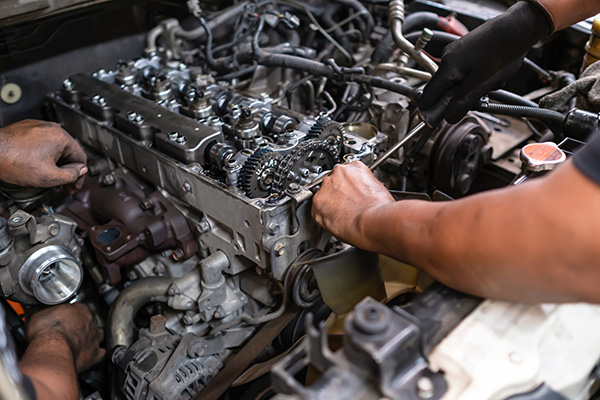
 Your car engine serves as the beating heart of your vehicle. Every single day, this mechanical marvel works hard to get you to work, school, and home. However, many drivers ignore basic maintenance routines until something breaks down. Regular checkups prevent expensive repair bills and extend the lifespan of your vehicle. Let us explore essential ways to keep your machine running smoothly for years.
Understand the Basics of Operation
Engines require a precise mix of air, fuel, and spark to run properly. Pistons move up and down inside metal cylinders at incredible speeds. Meanwhile, spark plugs ignite fuel mixtures to generate power.
Every component depends on the others to function well. If one small part fails, the entire system struggles. Therefore, preventive care matters immensely. Paying attention to early warning signs saves you money and eliminates roadside headaches.
Change Your Oil Regularly
Clean oil acts as the lifeblood of any engine. Oil lubricates moving metal parts and prevents dangerous friction. Over time, heat breaks down oil properties and turns the fluid into a sludgy residue.
You must schedule regular oil changes according to your owner’s manual. Fresh oil reduces internal wear and improves overall fuel economy. Mechanics recommend changing engine oil every five thousand miles. Never skip this vital maintenance task if you want your vehicle to last.
Monitor Fluid Levels Consistently
Your vehicle relies on several essential fluids to regulate temperature and performance. Pop the hood once a month to inspect fluid reservoirs. Check coolant levels to prevent overheating during hot summer months.
Examine brake fluid and power steering fluid reservoirs too. Low fluid levels often indicate hidden leaks or normal component wear. Top off empty reservoirs immediately. Clean fluids protect internal components from corrosion and premature failure.
Inspect and Replace Air Filters
Air filters prevent dirt, dust, and debris from entering the combustion chamber. A clogged filter starves the system of oxygen. Consequently, your car engine loses power and burns extra fuel.
Check your air filter during routine oil changes. Hold the filter up to a bright light source. If you see trapped dirt blocking the light, install a replacement part right away. New air filters restore optimal airflow and boost overall performance.
Pay Attention to Spark Plugs
Spark plugs deliver the electrical charge needed to ignite fuel inside the cylinders. Over thousands of miles, intense heat erodes the metal tips. Worn spark plugs cause engine misfires, rough idling, and difficult cold starts.
Listen closely to how your vehicle idles at red lights. If the motor stumbles or shakes, bad spark plugs might be the root cause. Replace worn spark plugs promptly to restore smooth acceleration and fuel efficiency.
Inspect Drive Belts and Hoses
Rubber belts and hoses endure extreme temperatures under the hood. Drive belts power the alternator, water pump, and air conditioning compressor. Hoses transport coolant and other vital fluids across compartments.
Examine these rubber components for visible cracks, splits, or fraying edges. A snapped serpentine belt disables critical systems instantly. Replace damaged belts and brittle hoses before they break on the highway. Preventive replacements cost far less than emergency towing fees.
Keep the Cooling System Healthy
Overheating causes catastrophic mechanical damage. The cooling system pulls excess heat away from combustion chambers. Coolant circulates through metal passages and releases heat via the radiator.
Flush your cooling system every few years to clear out rust and mineral deposits. Inspect the radiator fan for proper operation. Ensure the radiator cap maintains proper pressure. A healthy cooling system protects your car engine from warping or cracking under extreme temperatures.
Address Dashboard Warning Lights Promptly
Modern dashboards feature numerous warning indicators. The check engine light alerts you to sensor failures and emission problems. Never ignore this glowing symbol on your instrument cluster.
Purchase an inexpensive OBD2 scanner or visit a local auto parts store. Diagnostic scanners read computer fault codes instantly. Identifying the exact problem early prevents minor sensor glitches from triggering major mechanical failures later.
Listen for Unusual Noises
Your vehicle talks to you through sounds. Clicking, knocking, squealing, or grinding noises indicate underlying trouble. A sharp squeal often points toward a loose drive belt. A deep metallic knock inside the crank box signals serious internal wear.
Turn off the radio occasionally and listen to your vehicle. Investigate strange sounds immediately. Catching unusual noises early stops minor issues from turning into complete motor failures.
Practice Good Driving Habits
How you drive impacts component longevity directly. Avoid aggressive acceleration immediately after starting your vehicle on freezing mornings. Allow fluids a few moments to circulate properly.
Do not rest your hand heavily on the manual gear shifter while driving. Avoid overloading your vehicle beyond recommended weight limits. Smooth driving habits reduce unnecessary stress on mechanical parts.
Maintain the Fuel Delivery System
Fuel injectors spray gasoline directly into the combustion chambers in precise amounts. Over time, carbon deposits clog these tiny nozzles. Clogged injectors disrupt spray patterns and decrease engine efficiency.
Add a quality fuel system cleaner to your gas tank periodically. This simple treatment dissolves stubborn varnish and cleans internal passages. Clean fuel delivery ensures smooth acceleration and optimal mileage.
Inspect the Battery and Alternator
Electrical components rely on a healthy battery and alternator combination. Corrosion builds up on battery terminals and blocks electrical currents. Clean terminal connections with a wire brush and baking soda solution.
Test your alternator output during routine service appointments. A failing alternator stops charging the battery while you drive. Reliable electrical power keeps ignition systems functioning seamlessly.
Inspect Exhaust and Emission Components
The exhaust system routes harmful gases away from the cabin and reduces toxic emissions. Catalytic converters use precious metals to neutralize dangerous pollutants before they escape into the air.
Listen for loud rumbling noises underneath your car. A sudden roar often indicates a hole in the muffler or exhaust pipe. Inspect hanging brackets regularly to ensure nothing drags on the road. Proper exhaust maintenance keeps your vehicle legal, quiet, and environmentally friendly.
Summary of Car Engine Maintenance
Proper maintenance is essential for keeping your vehicle reliable, fuel-efficient, and safe on the road. By performing regular oil changes, monitoring fluid levels, replacing air filters, and addressing warning signs early, you can protect vital mechanical components and prevent expensive breakdowns. Staying proactive with routine inspections ensures your car delivers dependable performance for years to come.
Conclusion
Caring for your vehicle requires consistency and attention. Simple tasks like changing oil, monitoring fluids, and replacing filters protect your investment. Stay proactive and address small problems before they escalate. A well-maintained machine rewards you with reliable transportation, excellent fuel economy, and peace of mind on every journey.


