

 Written By
 The automotive industry has entered a period of rapid change. Cars no longer focus only on transportation. Modern vehicles combine computing, connectivity, advanced safety systems, electric power, and intelligent software. These improvements change how people drive and interact with their vehicles.
Today, manufacturers compete on more than engine power and exterior design. They also focus on digital features, efficiency, comfort, and safety. As a result, automotive technology now plays a major role in vehicle development. New innovations continue to influence everything from manufacturing to the everyday driving experience.
Electric Powertrains Are Changing Vehicle Design
Electric vehicles have become one of the most important developments in the automotive sector. Instead of relying entirely on gasoline or diesel engines, electric vehicles use batteries and electric motors. This design can reduce tailpipe emissions and create a different driving experience. Battery technology continues to improve.
Manufacturers work to increase driving range, reduce charging time, and lower battery costs. They also explore new battery materials and designs that could improve energy density and durability. However, electric vehicles still face challenges. Charging availability, purchase prices, battery production, and regional infrastructure can influence consumer decisions. Therefore, automakers continue to offer different powertrain options, including hybrids and plug-in hybrids.
Artificial Intelligence Is Entering the Car
Artificial intelligence has become a major area of automotive development. Manufacturers can use AI to improve voice assistants, driver monitoring, navigation, predictive maintenance, and vehicle personalization. For example, an intelligent assistant can understand natural language. Drivers can ask questions or request certain functions without navigating complicated menus.
AI can also analyze information from vehicle sensors and help systems respond to changing road conditions. In addition, manufacturers can use AI during vehicle development and production. It can help engineers analyze large amounts of information and identify potential improvements. Nevertheless, companies must use AI responsibly. They need to protect personal information and ensure that intelligent systems operate reliably.
Advanced Driver Assistance Improves Safety
Safety technology continues to develop quickly. Many modern vehicles offer systems that can warn drivers about potential collisions, detect vehicles in blind spots, maintain lane position, and assist with braking. These features can support drivers in difficult situations. However, they do not remove the need for human attention.
Drivers must understand the limits of each system and remain responsible for controlling the vehicle. Automakers continue to develop more advanced automated driving systems. These systems use cameras, radar, lidar, maps, and software to understand the surrounding environment. Fully autonomous vehicles still face technical and regulatory challenges. Even so, continued testing could eventually change transportation, especially in controlled environments and specific urban areas.
Connected Vehicles Create a Digital Experience
Modern vehicles increasingly connect with smartphones, cloud platforms, navigation services, and other digital systems. Drivers can access maps, traffic information, entertainment, charging locations, and vehicle information through connected features. Some vehicles can also send maintenance alerts. These alerts can notify drivers when the car needs attention.
This approach can help owners address problems earlier. Connectivity also creates opportunities for automakers. Companies can use vehicle data to improve services and understand customer needs. However, data privacy remains an important concern. Manufacturers must clearly explain how they collect and use information. They also need strong cybersecurity measures to protect connected systems from unauthorized access.
Software Updates Are Becoming More Important
Software now controls many vehicle functions. It manages infotainment systems, battery performance, driver assistance, climate controls, and other features. Many automakers now provide remote software updates. Owners can receive improvements without visiting a service center for every software change. This approach can extend the usefulness of a vehicle on automotive technology.
Manufacturers can fix certain software issues and add features after a car reaches the customer. However, software-based vehicles also require regular cybersecurity improvements. Companies must identify vulnerabilities and respond quickly when security problems appear.
Faster Charging Supports Electric Mobility
Charging technology plays an important role in the growth of electric vehicles. Drivers want convenient charging that does not require long waiting periods. Manufacturers and charging companies continue to improve fast-charging systems. Battery engineers also work on designs that can accept higher charging speeds while maintaining safety and durability.
Home charging remains useful for drivers who have suitable parking. Public charging networks also continue to expand in many markets. As charging becomes faster and easier to access, electric vehicles may become more practical for a wider range of drivers. Therefore, charging infrastructure will remain a major part of future vehicle development.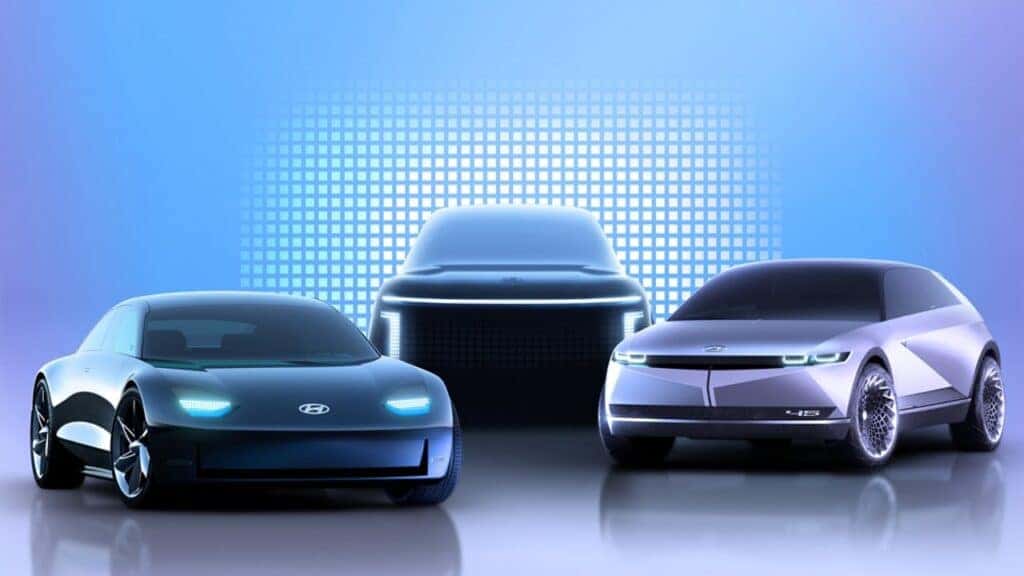
Smart Manufacturing Is Improving Production
Innovation does not stop when a vehicle leaves the design studio. Manufacturers also use advanced technology inside factories. Robotics can handle repetitive tasks with high precision. Automated inspection systems can identify certain production problems. Digital tools can help factories monitor equipment and improve production efficiency.
Artificial intelligence can also help manufacturers predict equipment problems. This approach may reduce unexpected downtime and improve factory operations. At the same time, companies continue exploring more sustainable production methods. They aim to reduce waste, energy consumption, and resource use.
Vehicle Interiors Are Becoming More Digital
The cabin has changed significantly over the past decade. Large displays, digital instrument panels, wireless smartphone connections, and voice controls have become common in many vehicles. Some manufacturers now use advanced screens that combine navigation, entertainment, climate controls, and vehicle settings.
This creates a more integrated digital experience. However, manufacturers must avoid making technology distracting. Drivers need simple controls that they can understand quickly. Future interiors may also include more personalized settings. Vehicles could recognize individual drivers and automatically adjust seating, climate, displays, and preferred applications.
Lightweight Materials Improve Efficiency
Vehicle weight affects efficiency and performance. Therefore, manufacturers continue to explore lightweight materials. Aluminum, advanced steel, composites, and other materials can help reduce weight while maintaining structural strength.
Lighter vehicles can require less energy to move. This approach benefits both electric and traditional vehicles. Electric cars can potentially gain additional range, while conventional vehicles can improve fuel efficiency. Engineers must balance weight reduction with safety, durability, production costs, and repairability. Finding that balance remains an important part of modern vehicle design.
Cybersecurity Has Become Essential
As vehicles become more connected, cybersecurity becomes increasingly important. A modern car can communicate with external networks and contain numerous computer systems. Manufacturers must protect these systems against unauthorized access. They also need processes for identifying vulnerabilities and delivering security updates.
Consumers should also understand connected features before purchasing a vehicle. They should review privacy settings and learn how the manufacturer handles personal and vehicle data. Strong cybersecurity can help build consumer confidence as vehicles become more digital.
What the Future May Bring
The future of automotive technology will likely combine several innovations rather than depend on one breakthrough. Electric power, artificial intelligence, connectivity, advanced safety systems, and software will continue to develop together. Vehicles may become more personalized and responsive.
They could also communicate more effectively with charging networks, roads, traffic systems, and other vehicles. However, affordability will remain important. Consumers want useful technology without paying for features they rarely use. Automakers must therefore focus on practical innovation that improves safety, efficiency, convenience, and value.
Final Thoughts
The automotive industry continues to move toward a more connected and intelligent future. Electric powertrains are changing vehicle design. AI is improving digital functions. Advanced driver assistance is supporting safer driving. Meanwhile, software and connectivity are transforming the ownership experience.
These developments show how automotive technology can influence almost every part of the vehicle. Manufacturers now need to balance innovation with safety, privacy, affordability, and reliability. For drivers, the changes offer more choices and improved features. For automakers, they create both opportunities and challenges. As research continues, technology will remain a key force shaping the next generation of vehicles.


