

 Written By
 The automotive world continues to change as consumers look for cleaner, smarter, and more efficient ways to travel. Electric mobility now stands at the center of this transformation. Automakers continue to introduce new models, improve batteries, expand charging networks, and develop smarter driving systems.
Meanwhile, buyers have more choices than ever before. The electric vehicle market has also moved beyond a small group of early adopters. Global sales passed 20 million in 2025, while electric models reached about one-quarter of all new car sales worldwide. The International Energy Agency expects global electric car sales to reach around 23 million in 2026, which would represent about 28% of total car sales.
Electric Cars Continue to Gain Ground
Electric cars continue to attract buyers across several major markets. China remains the largest market, while Europe has also recorded strong growth. The IEA reports that China accounted for more than half of the global increase in electric car sales during 2025. Europe also saw sales rise by more than 30% during the same period.
However, adoption does not move at the same pace everywhere. Some markets face higher purchase prices, limited charging options, or changing incentives. These factors can influence how quickly customers switch from traditional engines. Even so, manufacturers continue to expand their electric lineups. They now offer more body styles and price points. As a result, buyers can find electric options for commuting, family travel, performance driving, and commercial use.
More Affordable Models Are Arriving
Price remains one of the biggest factors in car buying decisions. Therefore, manufacturers continue to focus on reducing production costs and introducing more affordable models. Battery prices play an important role in this effort. Automakers want to produce smaller and cheaper batteries without sacrificing range or reliability.
They also continue to improve manufacturing processes to reduce waste and increase efficiency. Chinese manufacturers have played a major role in this shift. Their large production capacity and competitive pricing have increased pressure on established brands. The IEA reports that China produced around 16 million electric cars in 2025 and accounted for nearly 75% of global electric car production. Consequently, competition could give consumers more choices and encourage manufacturers to offer better value.
Battery Technology Keeps Improving
Battery development remains one of the most important areas of electric mobility. Manufacturers want batteries that provide longer range, faster charging, lower costs, and better durability. Battery deployment reached about 1.2 terawatt-hours in 2025. That figure represented an increase of almost 30% from the previous year.
Electric vehicles accounted for more than 70% of global battery deployment. Researchers continue to explore improved battery chemistries and designs. These developments could make future vehicles lighter and more efficient. At the same time, manufacturers must consider battery recycling. Better recycling systems can help recover valuable materials and reduce pressure on raw-material supplies.
Charging Networks Are Expanding
Charging access strongly influences customer confidence. Drivers want convenient charging at home, at work, and during long trips. Therefore, governments, utilities, charging companies, and automakers continue to expand charging infrastructure. Fast chargers can reduce waiting times during road trips. Home chargers can make daily charging much easier for people with suitable parking for electric vehicle.
However, charging networks still vary widely between regions. Some areas offer extensive coverage, while others have fewer public stations. Manufacturers and policymakers must continue investing in reliable infrastructure. The IEA now tracks charging infrastructure as a major part of its global electric mobility outlook. Its 2026 report examines charging developments alongside sales, batteries, manufacturing, and trade.
Hybrid Cars Offer Another Choice
Not every driver feels ready to switch directly to a fully electric car. Hybrid and plug-in hybrid models can provide another option. A hybrid combines an internal-combustion engine with an electric motor. A plug-in hybrid adds a larger battery that drivers can charge externally. This design allows shorter trips to use electric power while the engine supports longer journeys.
As a result, hybrids can appeal to people who want better efficiency but still worry about charging access. Automakers have recognized this demand and continue to expand their hybrid offerings. This mixed approach may remain important while charging networks and battery technology continue to develop.
Software Is Changing the Driving Experience
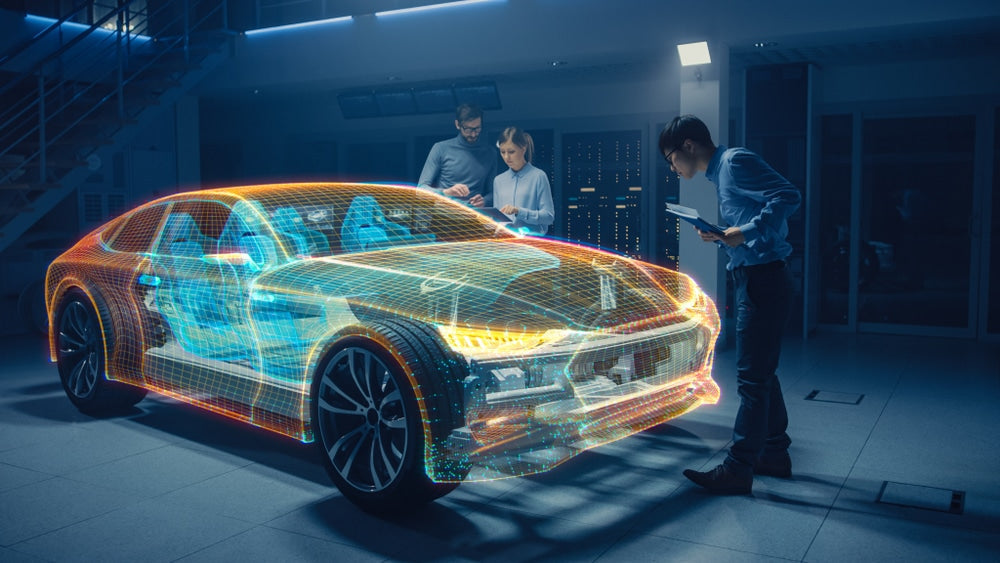
Modern vehicles increasingly rely on software. Digital systems now control navigation, entertainment, battery management, driver assistance, and other functions. Manufacturers can also provide software updates after customers purchase a car. These updates can improve existing features or add new capabilities.
Artificial intelligence may make these systems even more useful. AI-powered assistants could help drivers interact with navigation, climate controls, entertainment, and other functions through natural conversation. However, manufacturers must focus on safety. Digital features should make driving easier without creating unnecessary distractions.
Driver Assistance Continues to Develop
Safety technology remains another important area of innovation. Many new cars now offer systems that can monitor blind spots, warn about potential collisions, maintain lane position, and assist with braking. Automakers continue to develop more advanced automated driving systems by electric vehicle.
These systems combine cameras, radar, lidar, maps, and software to understand road conditions. Fully autonomous driving still faces technical and regulatory challenges. Therefore, drivers should understand the difference between assistance systems and true self-driving technology. For now, human supervision remains essential with most consumer driving systems.
Electric Commercial Vehicles Are Growing
Electrification now extends beyond passenger cars. Manufacturers continue to develop electric vans, buses, and trucks. The IEA reports that global electric light commercial vehicle sales exceeded 430,000 in 2025. Sales grew by about 45% compared with the previous year. Europe and China accounted for around 80% of those sales.
Businesses can benefit from electric commercial vehicles in several ways. Lower energy and maintenance costs may improve operating efficiency. However, companies must also consider charging infrastructure, vehicle range, payload requirements, and purchase costs. As battery technology improves, electric commercial transportation could expand into more industries.
Competition Is Reshaping the Industry
The electric car market has created intense competition between established automakers and newer companies. Manufacturers now compete on price, range, charging speed, software, design, and technology. Chinese brands have gained particular attention. Their growing exports have increased competition in international markets.
The IEA reports that Chinese electric car exports more than doubled in 2025 and exceeded 2.5 million vehicles. This competition can benefit consumers. Companies must improve products and control costs to attract buyers. At the same time, automakers must manage tariffs, supply chains, raw materials, and changing regulations. These factors can affect vehicle prices and availability.
Sustainability Remains a Major Focus
Environmental concerns continue to influence the transition toward electric mobility. Electric cars produce no tailpipe emissions while driving. However, their overall environmental impact also depends on battery production and the electricity used for charging. Manufacturers are therefore exploring cleaner production methods.
They also want to use recycled materials and improve battery recycling. Renewable electricity can further strengthen the environmental benefits of electric transportation. As power grids become cleaner, charging can create fewer emissions over the vehicle’s lifetime.
What Buyers Can Expect Next
The vehicle market will likely become more diverse in the coming years. Buyers can expect more models, improved batteries, faster charging, and greater software integration. However, consumers should still compare vehicles carefully.
Range alone should not determine a purchase. Buyers should also consider charging access, insurance, maintenance, warranty coverage, and total ownership costs. Different drivers need different solutions. A city commuter may prefer a smaller model, while a long-distance driver may prioritize range and fast charging.
Final Thoughts
The electric vehicle industry continues to move forward despite challenges involving affordability, infrastructure, technology, and regulation. Global sales show strong momentum, while manufacturers continue to invest in batteries, charging, software, and new models. The next stage of electric mobility will focus on convenience and value.
Consumers want reliable cars that fit their budgets and daily routines. Automakers must respond with practical innovation rather than technology for its own sake. As competition increases, buyers should gain more options. Better batteries, wider charging networks, smarter software, and improved manufacturing could make electric transportation more accessible. The future will likely include several powertrain choices, but electric mobility will remain a major force in the changing automotive industry.


