

 Written By
 Every vehicle develops problems at some point. A warning light may appear without notice. You may hear a strange sound while driving. Sometimes, the car simply fails to start. These situations can feel stressful, especially when you do not know what caused the problem. However, a calm and informed approach can help you handle vehicle issues more effectively.
Understanding basic car repair principles can help you identify common problems, communicate with mechanics, and avoid unnecessary expenses. You do not need to become a professional mechanic. Instead, learn how your vehicle works, recognize warning signs, and know when you need expert assistance.
Pay Attention to Warning Signs
Your vehicle often gives you clues before a major problem develops. Strange noises, unusual smells, vibrations, fluid leaks, and dashboard warning lights can all indicate potential trouble. For example, a grinding sound may point toward a brake issue. A squealing noise could come from a belt or another component.
A vehicle that shakes during acceleration may also need inspection. Do not ignore these signs simply because the car still runs. Small problems can become more expensive when you continue driving without addressing them. Therefore, take unusual changes seriously and investigate them as soon as possible.
Understand Your Dashboard Lights
Modern vehicles use warning lights to communicate with drivers. Each symbol can point toward a different system or issue. A check-engine light can have many causes. A battery warning may indicate a charging problem. An oil-pressure warning can signal a serious engine concern.
Read your owner’s manual to understand the warning symbols in your vehicle. If a warning light appears, determine whether you can safely continue driving. Some warnings require immediate attention. When you remain unsure, contact a qualified technician rather than guessing.
Check Simple Problems First
Not every vehicle problem requires an expensive repair. Sometimes, a simple issue causes the symptoms. For example, a car may fail to start because of a weak battery, a loose connection, or an empty fuel tank. A malfunctioning light may simply need a new bulb or fuse. Before assuming the worst, check the basic possibilities.
However, avoid experimenting with components you do not understand. A wrong connection or incorrect replacement part can create additional problems. When a repair involves electrical systems, fuel systems, or safety components, professional assistance often makes the safer choice by car repair.
Learn Basic Maintenance
Regular maintenance can prevent many common problems. Check engine oil, coolant, tire pressure, and other essential fluids according to your owner’s manual. Inspect your tires for uneven wear and damage. Replace worn windshield wipers and keep your lights working properly.
Follow the manufacturer’s service schedule as well. Routine maintenance can help you identify developing issues before they require major repairs. It can also improve reliability and extend the useful life of your vehicle.
Choose a Reliable Mechanic
Finding a trustworthy mechanic can make a major difference. Ask friends, family members, or colleagues for recommendations. You can also research local repair shops and read customer feedback before making a decision. Look for a shop that clearly explains the problem and provides a written estimate.
A professional mechanic should answer your questions without making you feel pressured. Ask whether the repair includes parts and labor. Also, find out whether the shop offers any warranty on its work. Clear communication can prevent confusion when you receive the final bill.
Ask for a Proper Diagnosis
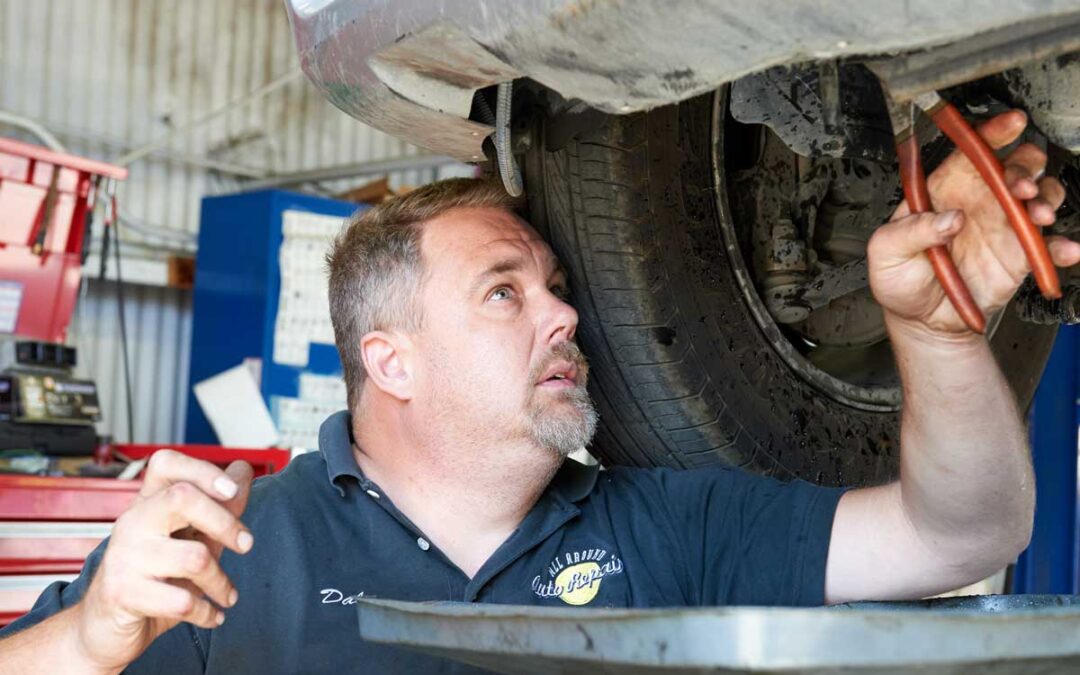
A good repair starts with an accurate diagnosis. Do not automatically approve the first repair a technician suggests. Ask what caused the problem and how the mechanic reached that conclusion. You can also ask whether the issue requires immediate attention or whether you can schedule the work later.
A professional may use diagnostic equipment, visual inspections, road tests, or other methods to identify the cause. Understanding the diagnosis helps you make a better decision. It also reduces the chance of paying for a repair that does not address the actual problem.
Compare Repair Estimates
For expensive work, consider getting more than one estimate. Different shops may charge different labor rates or recommend different parts. However, the cheapest estimate does not always offer the best value.
Ask each shop what the quote includes. Compare labor, parts, taxes, warranties, and additional charges. Make sure you compare similar services. A low quote may exclude important work that another shop includes. Therefore, focus on the complete repair rather than the lowest number.
Know When to Use Original or Quality Parts
Replacement parts can come from different manufacturers. Some vehicles use original equipment parts, while others can use aftermarket alternatives. Both options may work well when you choose quality products from reputable sources. Ask your mechanic which option suits your vehicle and budget.
For critical systems such as brakes, steering, and suspension, prioritize quality and compatibility. A cheap part can create problems if it fails quickly or does not fit correctly. Good parts can provide better reliability and reduce the need for repeated repairs.
Avoid Delaying Important Repairs
Some problems can wait for a convenient appointment. Others require immediate attention. Brake issues, severe overheating, major fluid leaks, steering problems, and certain warning lights can create serious safety risks.
If the vehicle behaves dangerously, stop driving and seek professional help. Continuing to drive may increase the damage and repair cost. For example, ignoring an overheating engine can lead to much more serious damage. Acting early often protects both your vehicle and your wallet.
Keep Repair Records
Maintain a record of every repair and service. Write down the date, mileage, work completed, and parts replaced. Keep copies of invoices and inspection reports. These records help you understand your vehicle’s history. They can also help a mechanic diagnose future problems. Furthermore, detailed maintenance records can make your car more attractive to future buyers. A clear history shows that you took care of the vehicle after car repair.
Consider the Vehicle’s Age and Value
Older vehicles may require more frequent repairs. That does not automatically mean you should replace them. Compare the expected repair cost with the vehicle’s current value and overall condition. If the engine, transmission, body, and interior remain in good shape, repairing the car may still make financial sense.
However, repeated major repairs can change the calculation. Consider upcoming maintenance and potential problems before spending a large amount. A trusted mechanic can help you understand whether a repair makes sense.
Save Money Without Cutting Corners
You can reduce repair costs without choosing unsafe shortcuts. Compare estimates, maintain the vehicle regularly, and address minor issues early. Learn which maintenance tasks you can safely handle yourself.
For example, you may feel comfortable checking tire pressure or replacing windshield wipers. Leave complex work to trained professionals. Also, avoid buying extremely cheap parts simply to reduce the immediate bill. Quality repairs usually provide better long-term value.
Use Technology Wisely
Technology can help vehicle owners understand problems. Diagnostic scanners can read certain trouble codes. Maintenance apps can remind you about service intervals. Online resources can also explain basic vehicle systems.
However, do not rely on internet advice alone when a serious problem occurs. Different vehicles can show similar symptoms for completely different reasons. Use online information as a starting point, then confirm the diagnosis with a qualified professional when necessary.
Final Thoughts
Good car repair decisions start with awareness. Pay attention to unusual sounds, warning lights, leaks, and changes in driving behavior. Keep up with routine maintenance and choose a mechanic who communicates clearly. When a problem appears, ask questions and understand the diagnosis before approving expensive work.
You can also compare estimates and keep detailed service records. Most importantly, never compromise safety to save a few dollars. A thoughtful approach to repair can help you control costs, protect your vehicle, and enjoy more dependable transportation. With regular care and timely professional help, you can keep many vehicle problems from becoming major headaches.


